Behold the tranquil majesty of Lake Ashi, a historic crater lake offering a polished narrative of volcanic geography and iconic views of Mount Fuji.
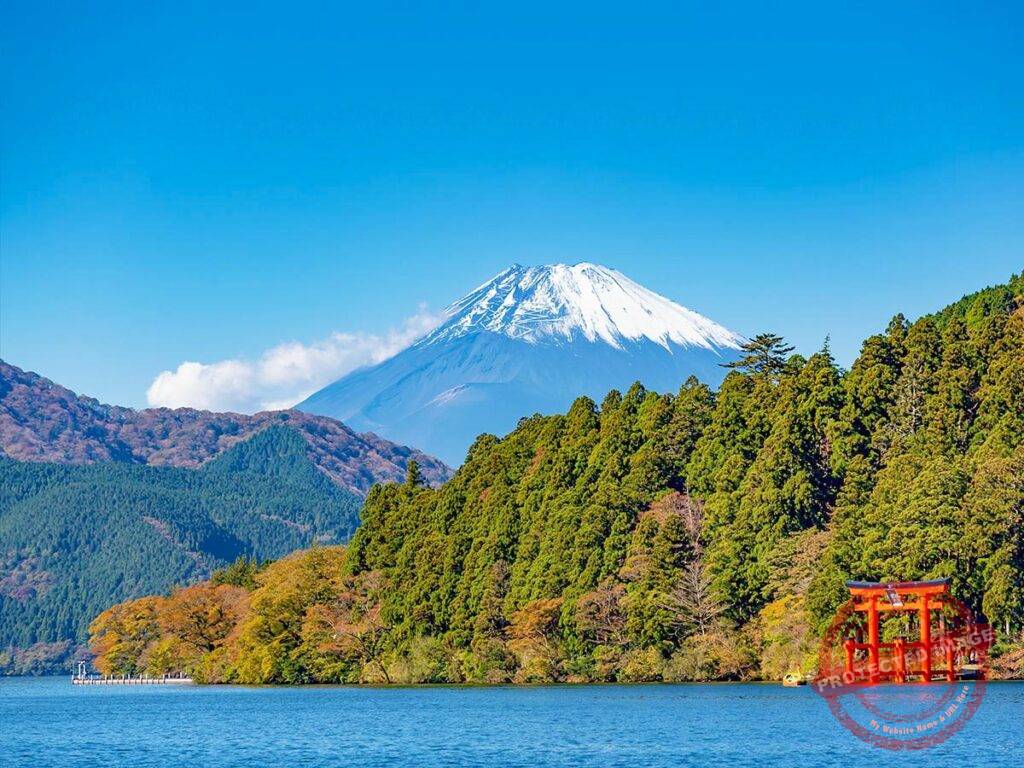
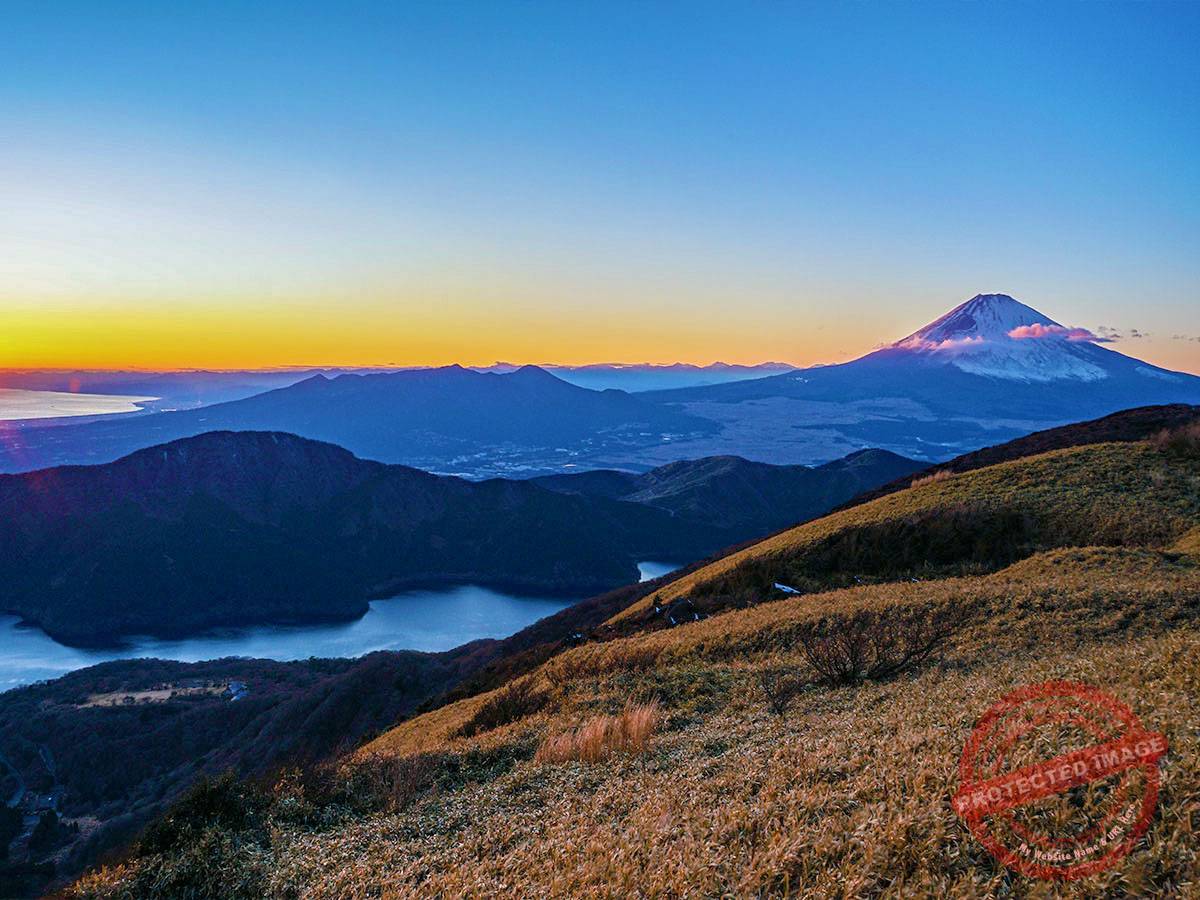
The lake is architecturally and topographically defined by its origin within the massive caldera of Mount Hakone. This was formed following a major volcanic eruption approximately 3,000 years ago. Its deep, sapphire waters are framed by the steep, forested slopes of the outer rim, creating a natural amphitheater that has served as a landmark for travelers for centuries. The layout of the lake is punctuated by key cultural monuments, most notably the submerged vermilion torii gate of Hakone Shrine and the historic Hakone Checkpoint. This site once monitored passage along the vital Tokaido road. This spatial arrangement allows visitors to experience the lake as both a geological wonder and a strategic corridor of Japan’s feudal history.
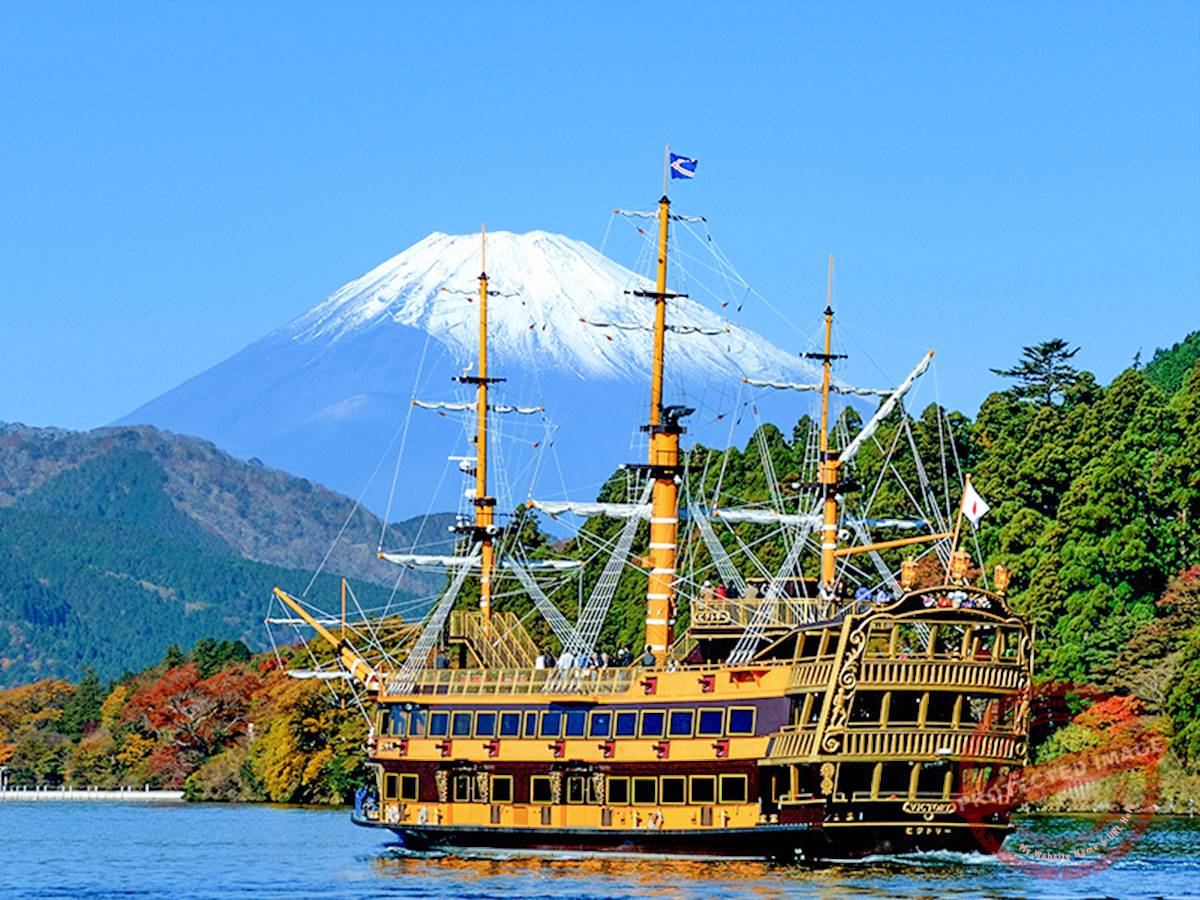
The significance of Lake Ashi lies in its status as a premier site for witnessing the “Inverse Fuji”. This is where the snow-capped peak of Japan’s most sacred mountain is reflected perfectly on the lake’s still surface. This visual harmony has long established the lake as a vital cultural anchor, inspiring countless works of ukiyo-e art and classical poetry. The environment is further enriched by the presence of traditional cedar-lined paths and the “pirate ship” sightseeing cruises. These offer an authoritative perspective on the caldera’s scale. These elements combine to tell a story of human adaptation to a dynamic volcanic landscape, where natural beauty and historical utility have coexisted for generations.
For the luxury and cultural traveler, Lake Ashi provides a composed and intellectually stimulating atmosphere that fosters a deep appreciation for the Fuji-Hakone-Izu National Park. The environment is one of refined stillness, where the rhythmic movement of the water against the ancient shoreline underscores the region’s enduring character. It remains a definitive destination for those seeking to explore the intersection of Japan’s rugged interior and the poetic elegance of its most celebrated landscapes.