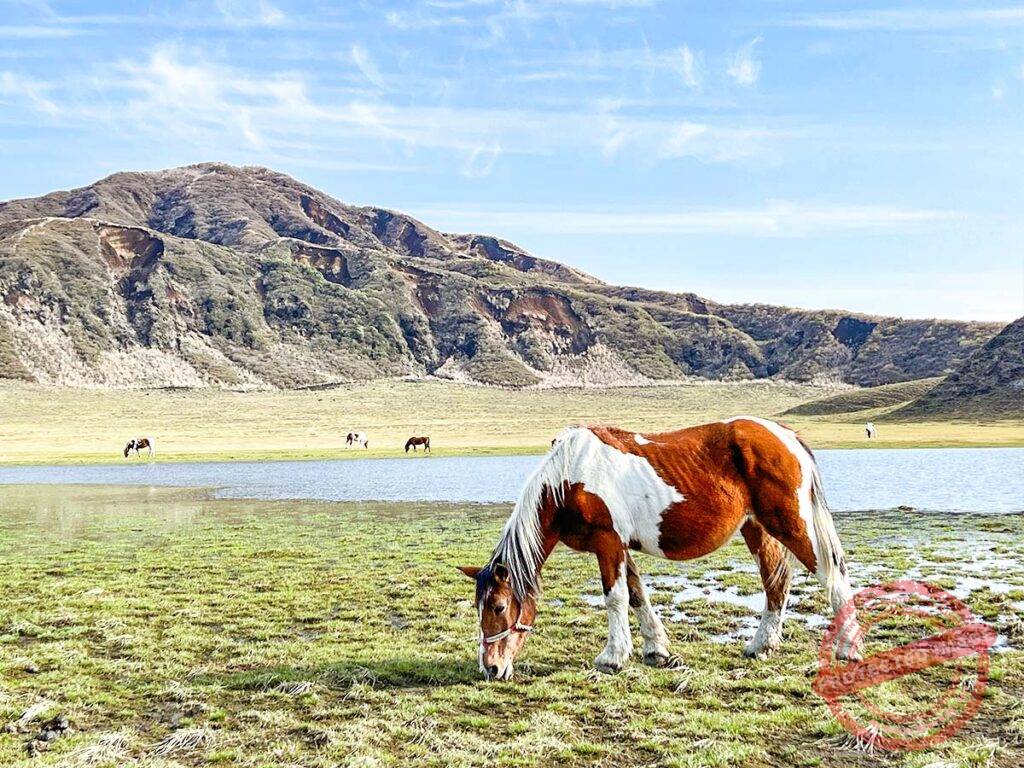
Formed approximately 30,000 years ago, this 785,000-square-meter grassland is architecturally defined by its dual rain-fed ponds and the surrounding volcanic peaks of the Aso Five Mountains. The plain is actually a prehistoric crater floor, providing an authoritative perspective on the colossal scale of the Aso caldera’s eruptive history. The terrain is characterized by gentle, rolling slopes covered in resilient grasses that shift in color from vibrant green in the summer to a shimmering silver-gold in the autumn. The absence of tall trees allows for an unobstructed view of the billowing white smoke rising from the active Nakadake crater nearby, creating a visual dialogue between peaceful grazing lands and restless volcanic power.
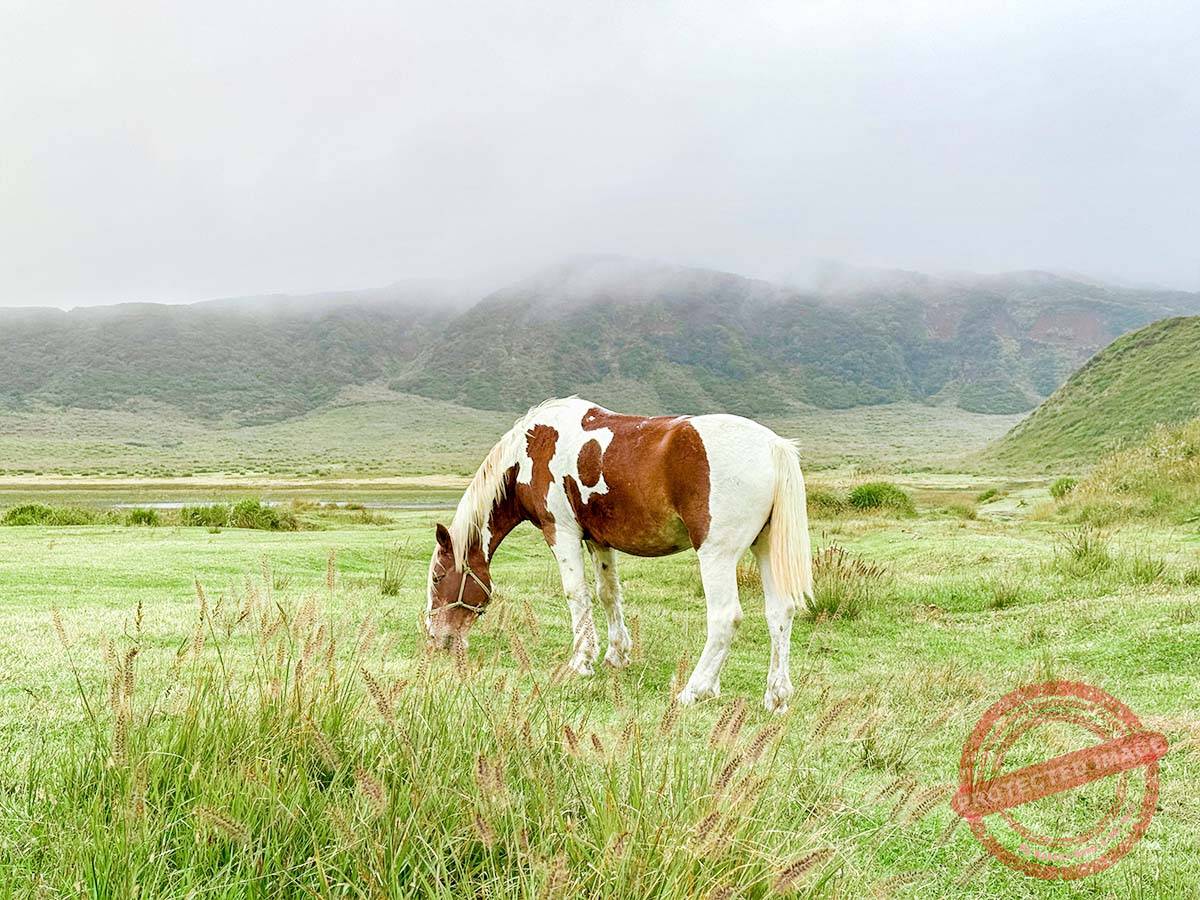
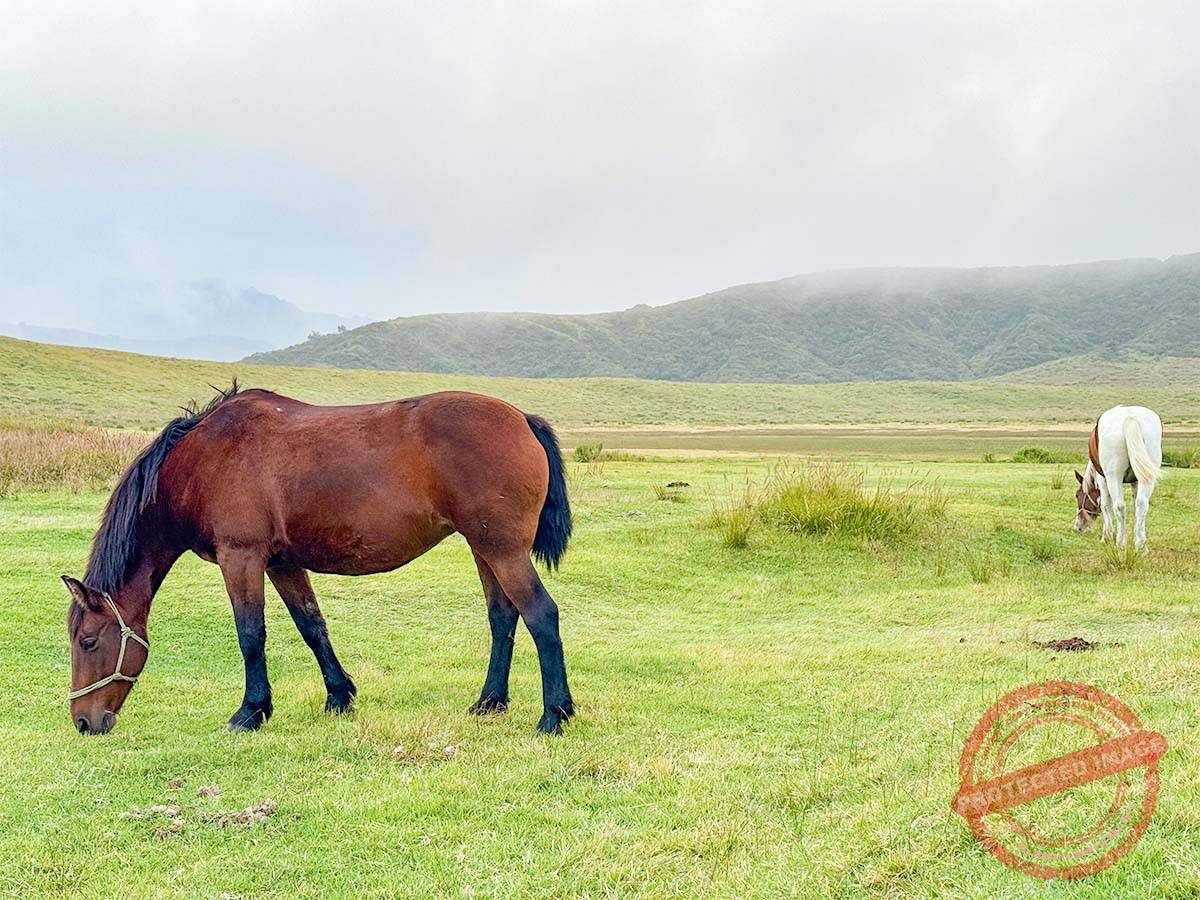
The significance of Kusasenri lies in its preservation of a traditional highland lifestyle. For generations, the area has been used for “wagyu“ cattle grazing and horse riding, maintaining a disciplined ecological balance through controlled seasonal burning known as “noyaki”. This practice prevents the forest from encroaching on the grassland, ensuring the survival of rare alpine flora. Visitors can engage with this heritage directly through horseback trekking across the plain, offering a rhythmic and immersive way to experience the scale of the caldera. The nearby Aso Volcano Museum provides a sophisticated intellectual framework for the site, utilizing sensors and cameras to monitor the active volcano’s internal state in real time.
For the landscape traveler, Kusasenri provides a composed and expansive atmosphere that fosters a deep sense of environmental scale. The contrast between the quiet, reflective ponds and the dramatic, ash-toned slopes of the volcano offers a polished narrative of Japan’s “living earth”. It remains a vital cultural and natural anchor in Kumamoto, representing the enduring harmony between the region’s agricultural traditions and its formidable geological foundations. |