The matcha making experience offers a refined immersion into the Japanese tea tradition through the technical precision of stone milling and ceremonial preparation.
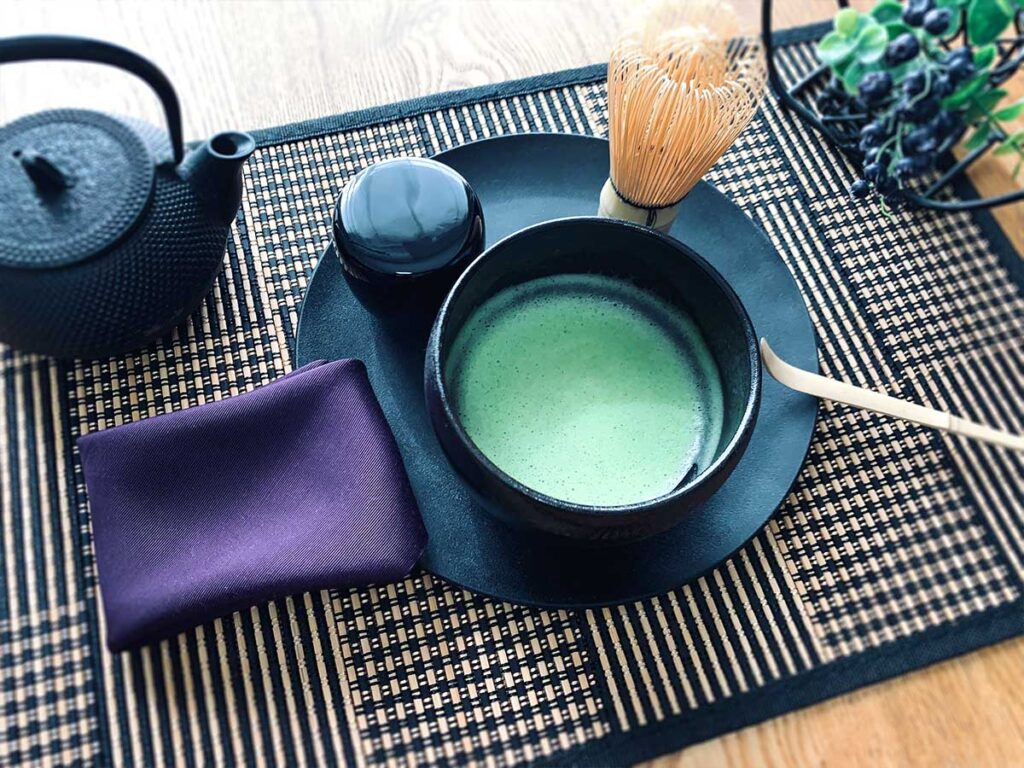
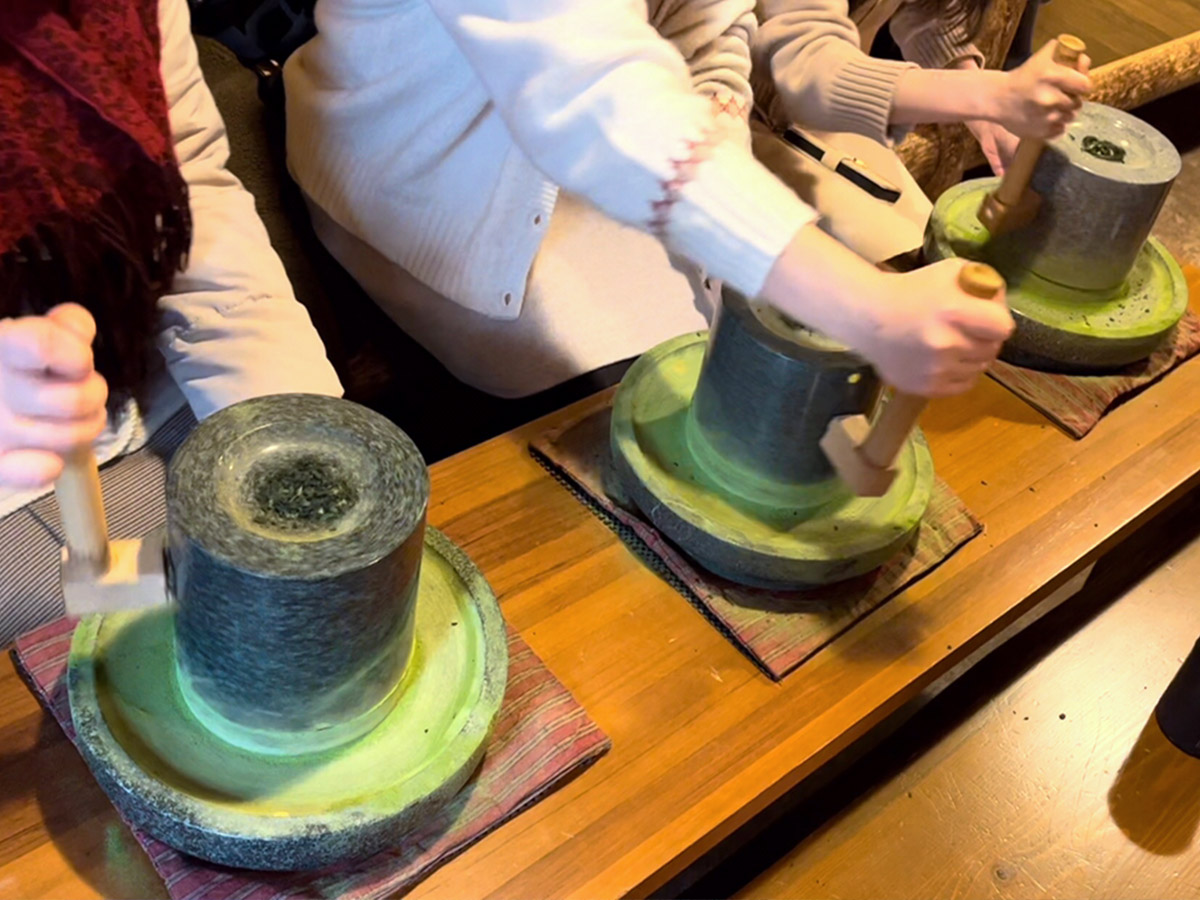
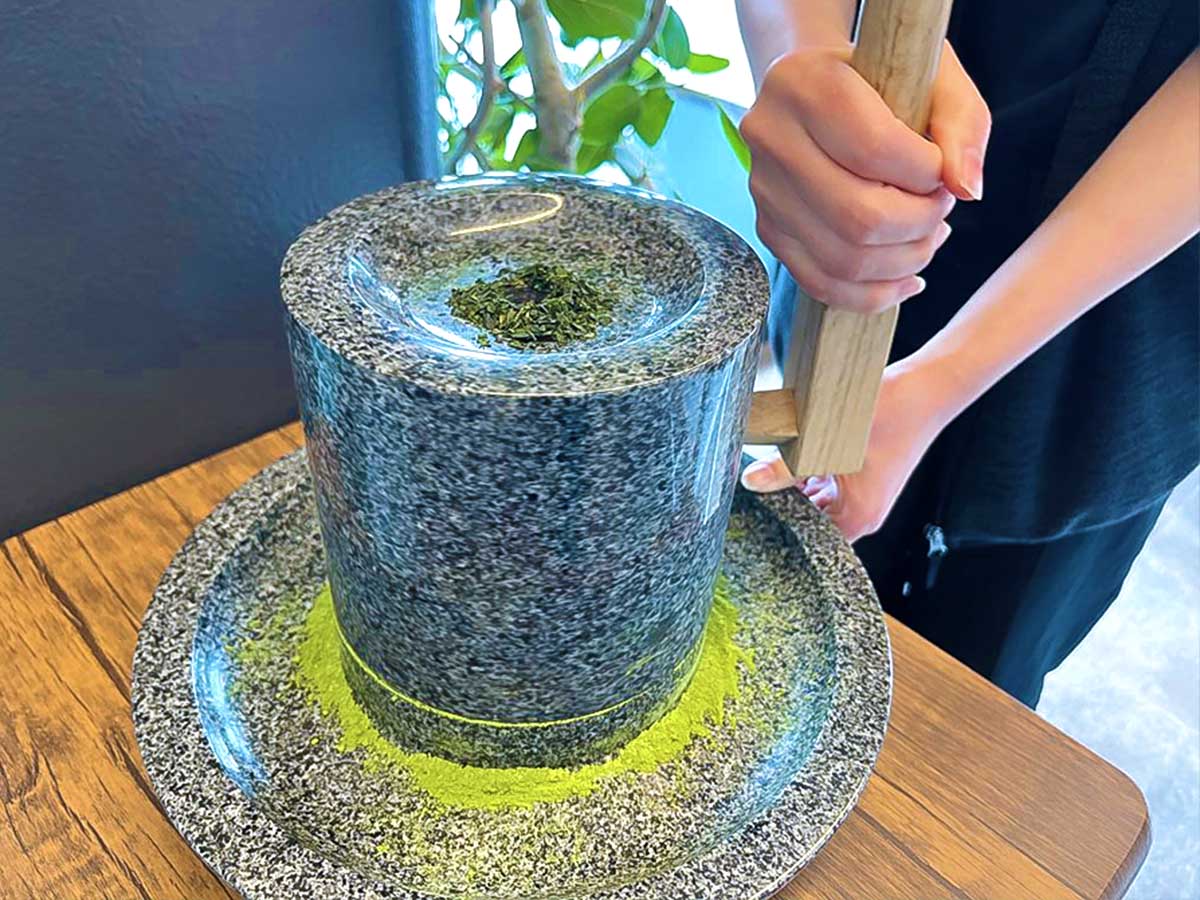
The practice of preparing matcha represents a sophisticated intersection of agricultural mastery and ritualized hospitality that has defined Japanese social grace for centuries. Guests engage with the process by utilizing a traditional stone mill to transform high-grade tencha leaves into a vibrant, fine powder. This tactile interaction highlights the quality of the raw materials and the patience required to achieve the ideal texture. Following the milling, the preparation moves to the whisking process. Participants use a bamboo chasen to aerate the tea until a delicate, consistent froth is achieved. This method requires a steady hand and an understanding of water temperature to ensure a balanced flavor profile that avoids excessive bitterness.
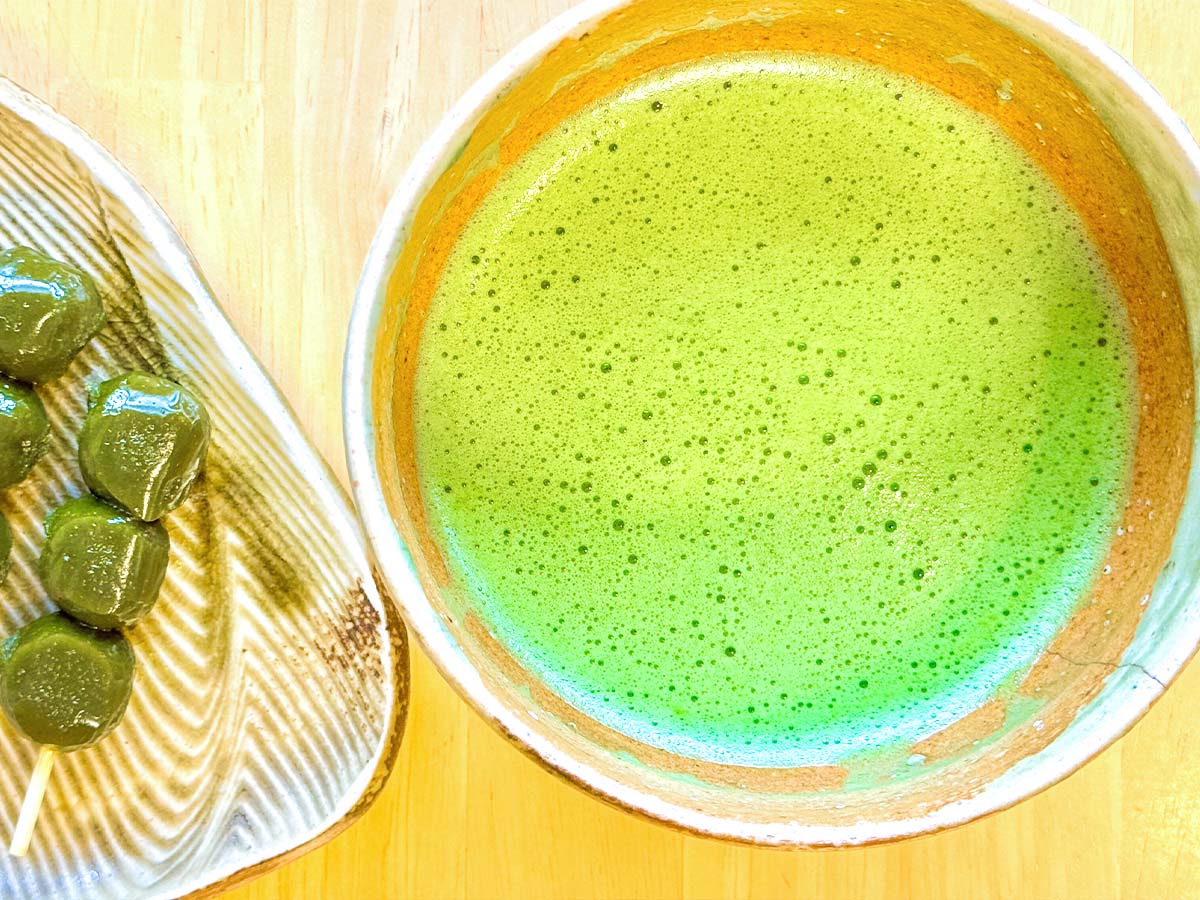
The setting for this activity reflects the understated aesthetic of the classical tea room. The environment emphasizes quietude and a focused appreciation of the present moment. Seasonal wagashi, or traditional sweets, accompany the tea to provide a counterpoint to the deep umami notes of the fresh matcha. This sequence of preparation and tasting illustrates the enduring cultural significance of tea as a medium for discipline and sensory clarity. By focusing on the mechanics of the craft, the experience provides a clear perspective on the heritage of Uji and the regional standards of excellence that continue to govern tea production today.