Nagai Park or Tsurumi Ryokuchi Park
| Nagai Park serves as a monumental green space in southern Osaka. It is a vital cultural and athletic anchor for the city. While Tsurumi Ryokuchi Park stands as a refined horticultural landscape in northeastern Osaka. It serves as an authoritative testament to global gardening traditions and urban restoration. |
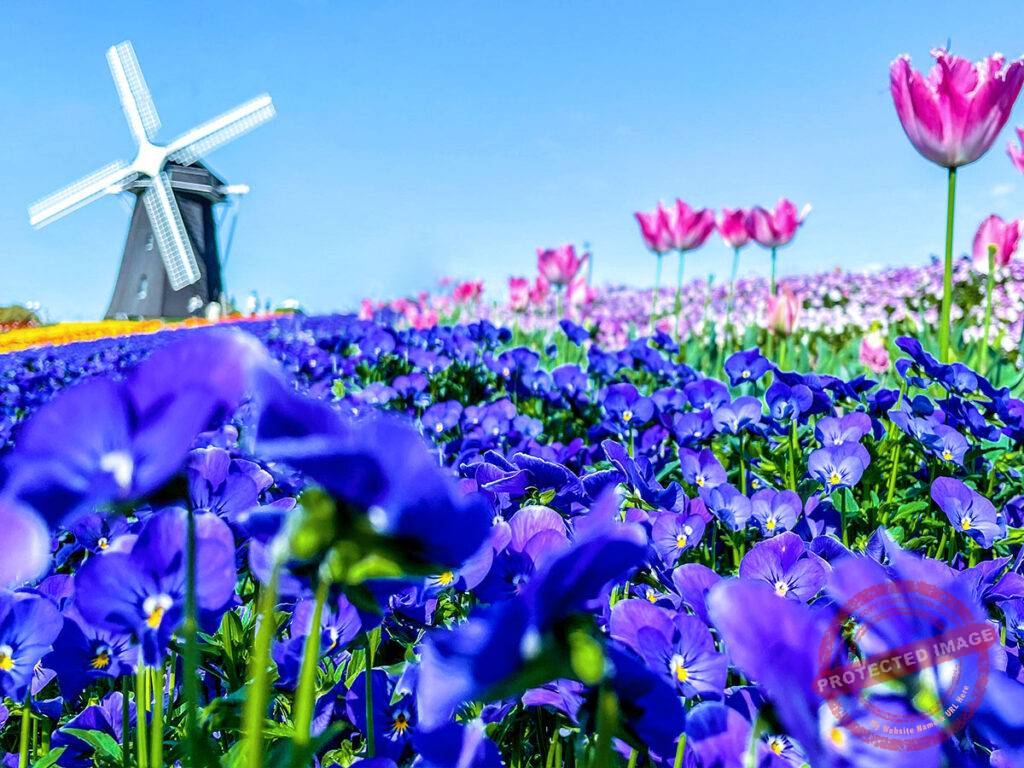
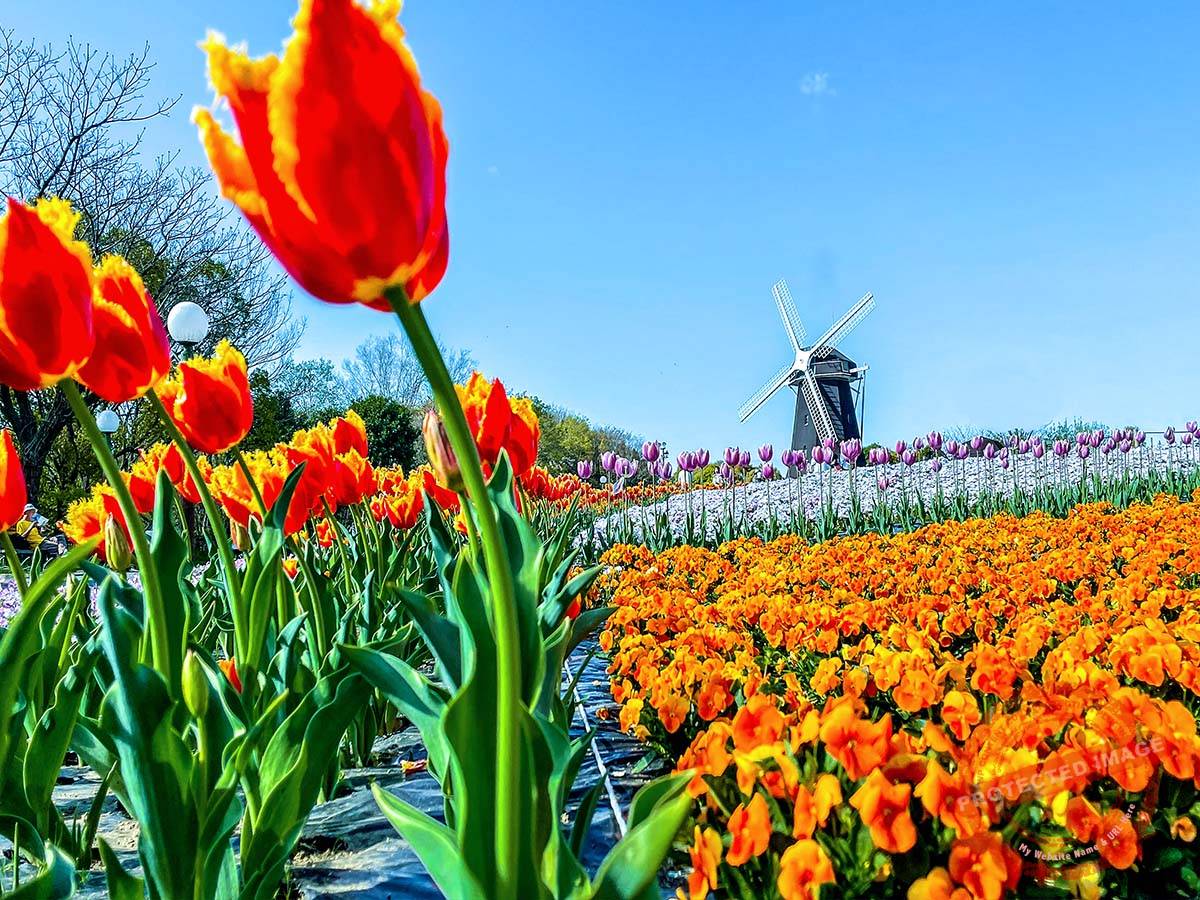
| Nagai Park is topographically defined by its expansive 65 hectares in the Higashisumiyoshi district. This area was developed into a comprehensive urban retreat that harmonizes horticultural excellence with world-class sports infrastructure. The layout is characterized by its rhythmic transition from dense botanical collections to the massive concrete proportions of the Yanmar Stadium. The craftsmanship of the grounds is best represented by the Nagai Botanical Garden. This facility features a disciplined arrangement of thousands of plant species centered around a large ornamental pond. This environment creates a polished sense of seasonal transition and academic study. The significance of Nagai Park lies in its dual role as a community sanctuary and a stage for international events. The environment is characterized by an atmosphere of civic pride and atmospheric depth. This is most visually compelling during the cherry blossom season when the paths are lined with thousands of flowering trees. The sensory experience is defined by the contrast between the stillness of the woodland areas and the energy of the athletic complexes. It remains a premiere destination for those seeking to witness the integration of nature and civic life in Osaka. Tsurumi Ryokuchi Park is topographically unique, having been developed as the primary site for the 1990 International Garden and Greenery Exposition. The layout is characterized by the “Mountain of World Greatness” which features a landmark windmill and undulating hills covered in seasonal blooms. The craftsmanship of the site is reflected in its collection of international gardens. These spaces were designed by various nations to showcase distinct global landscaping techniques and traditional pavilion architecture. The structures provide a disciplined look at the intersection of diverse cultures within a singular Japanese park. The significance of Tsurumi Ryokuchi lies in its history as a pioneer of the “Greenery” movement in Japan. The environment is characterized by a polished sense of exploration and quiet scale. This atmosphere is most visually compelling at the Sakuya Konohana Kan, one of the largest indoor botanical conservatories in the world. The sensory experience is defined by the scent of wildflowers on the hillsides and the expansive views of the surrounding city from the elevated overlooks. It remains a premiere destination for those seeking an intellectually rewarding encounter with international garden design. The park stands as a polished witness to the enduring legacy of the 1990 Exposition. |