
Outer garden of Imperial Palace
| The Outer Garden of the Imperial Palace serves as a monumental historic seat of authority in the heart of Tokyo. It is a refined landscape where the defensive legacy of the Edo period meets the ceremonial dignity of the modern era. |
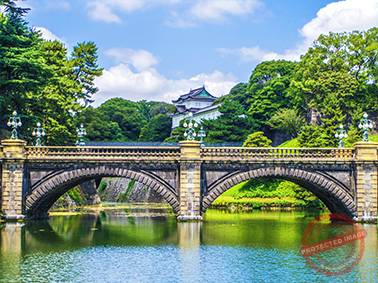
| The site is topographically defined by its expansive plazas and the massive stone fortifications that once protected Edo Castle, the seat of the Tokugawa Shogunate. This layout originated in the seventeenth century and underwent significant transformation during the Meiji Restoration, when the site was designated as the residence of the Imperial family. The craftsmanship of the grounds is reflected in the colossal granite walls and the meticulously maintained black pine groves, which consist of approximately two thousand trees pruned into aesthetic perfection. These natural and structural elements are anchored by the Seimon Ishibashi and Seimon Tetsubashi bridges. These iconic structures provide an authoritative entrance to the inner grounds and represent the pinnacle of late-nineteenth-century masonry and ironwork. The significance of the Outer Garden lies in its role as a living narrative of Japan’s political and architectural evolution. The environment is characterized by a polished sense of openness and national continuity. This atmosphere is most visually compelling at the Nijubashi viewpoint, where the reflection of the bridges in the tranquil moat creates a rhythmic symmetry between the water and the fortress walls. The sensory experience is defined by the contrast of the gravel paths beneath the feet and the silent, imposing presence of the Fushimi-yagura watchtower, a structure transported from Kyoto in the early seventeenth century. It remains a premiere destination for those seeking a composed and intellectually rewarding encounter with the seat of Japanese governance. The site stands as a polished witness to the transition from feudal military power to the modern constitutional state. |