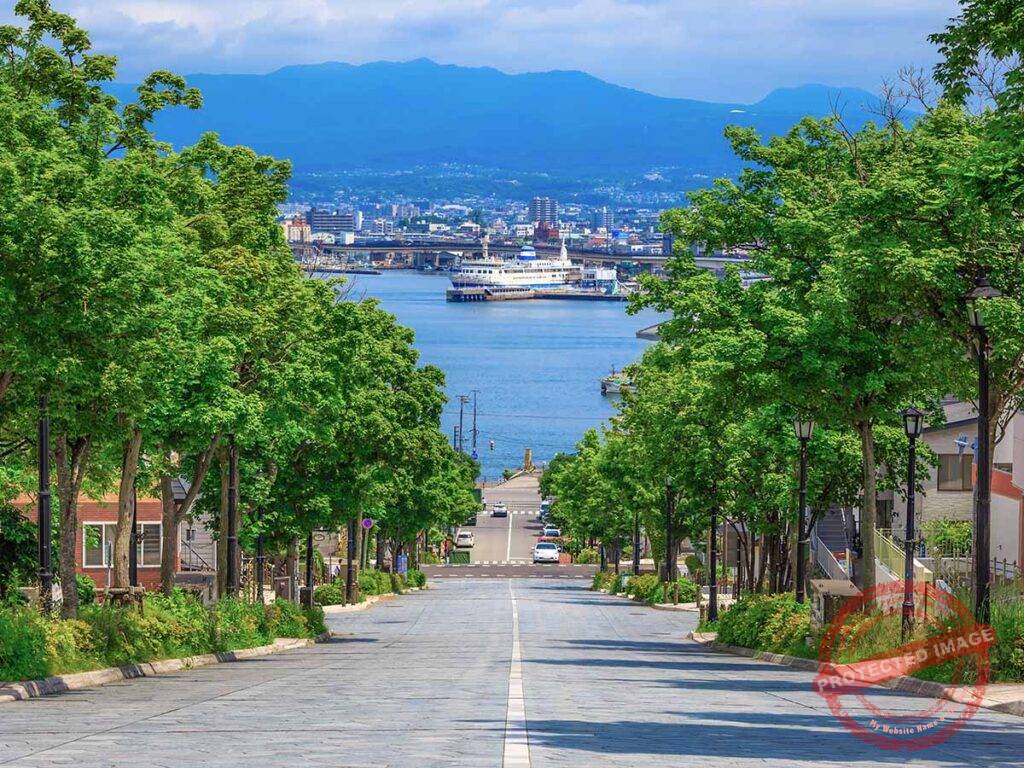
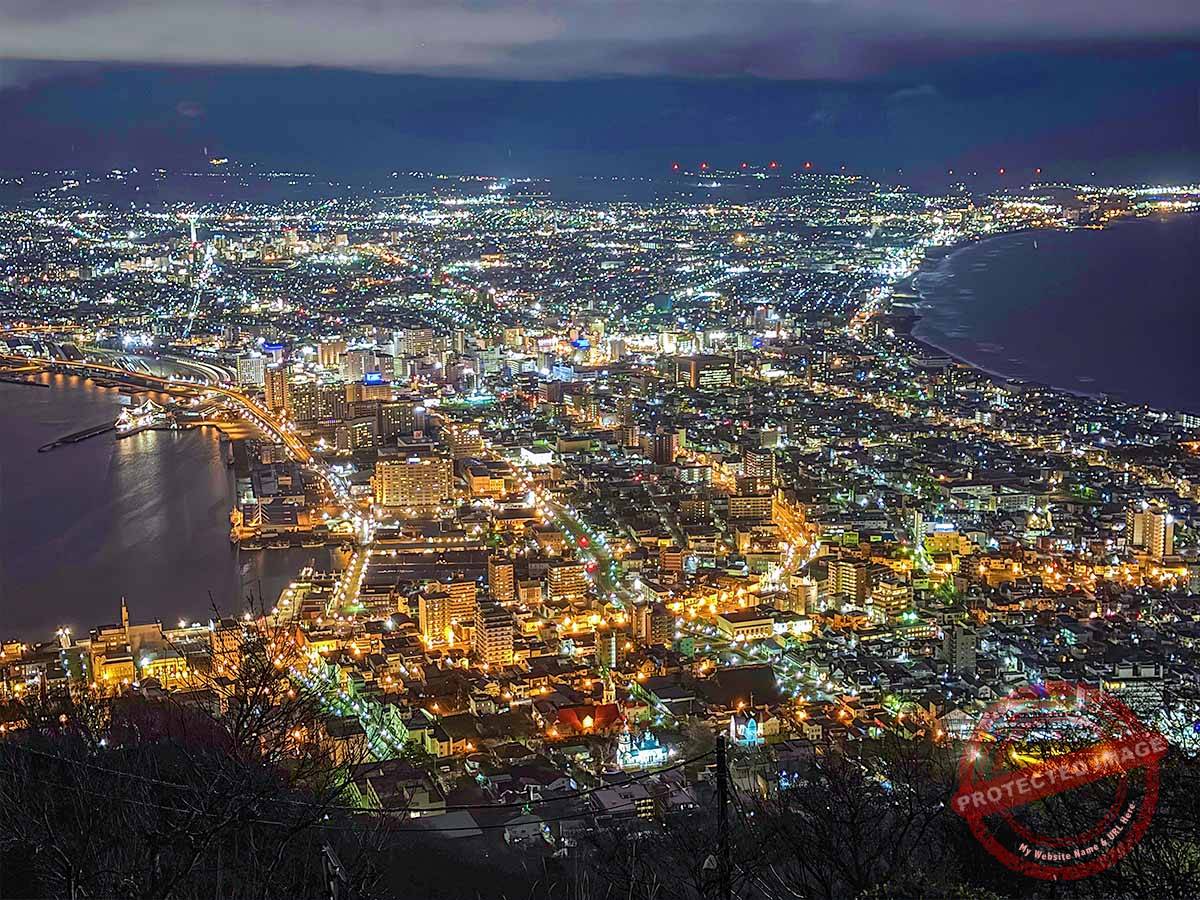
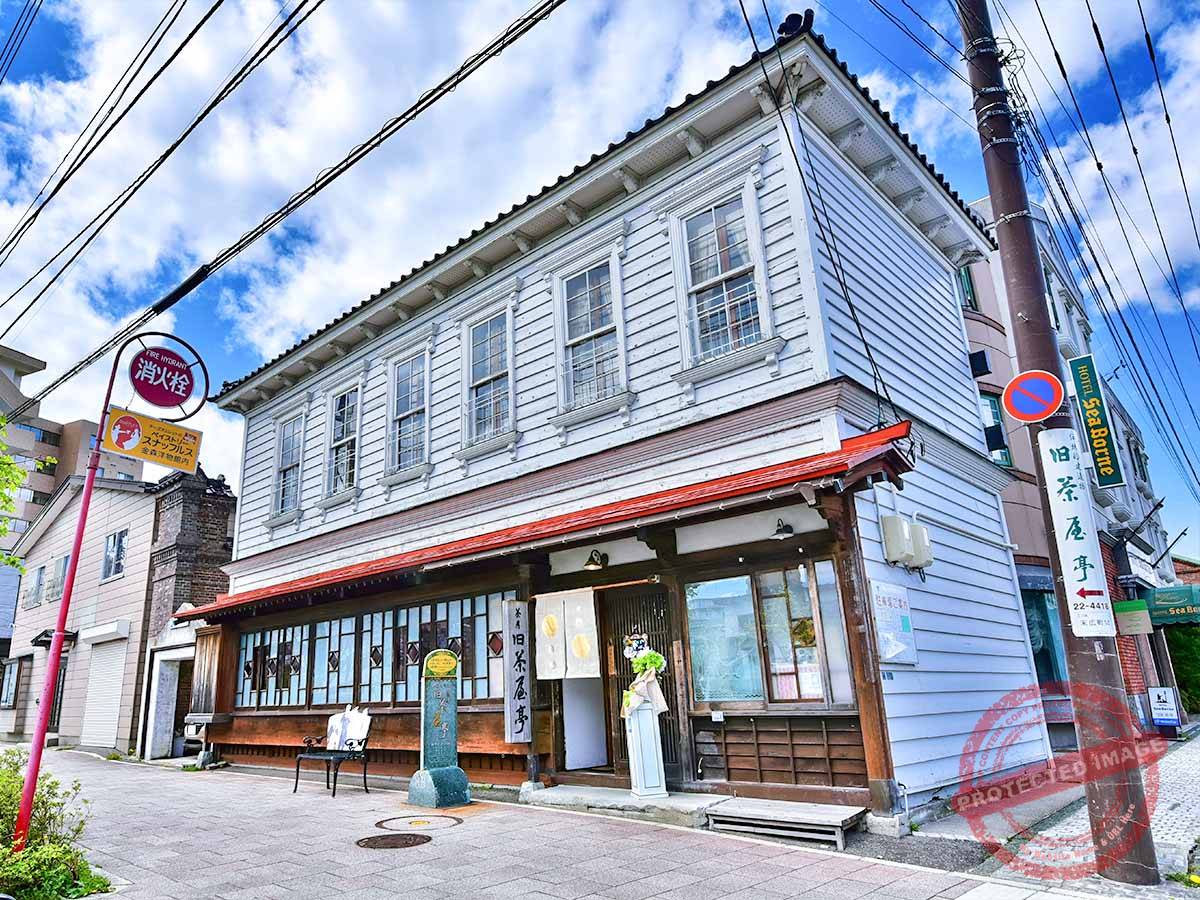
The district is topographically defined by its location at the base of Mount Hakodate. It is characterized by steep, stone-paved slopes that offer authoritative views of the harbor. This layout originated in the mid-nineteenth century following the Treaty of Amity and Commerce. That agreement established Hakodate as one of the first Japanese ports open to global trade. The craftsmanship of the area is reflected in the diverse range of preserved structures. These include red-brick warehouses, former consulates, and religious landmarks. The atmosphere is most visually compelling along the Hachiman-Zaka Slope. There, the rhythmic alignment of trees and historic street lamps frames a direct view of the sea.
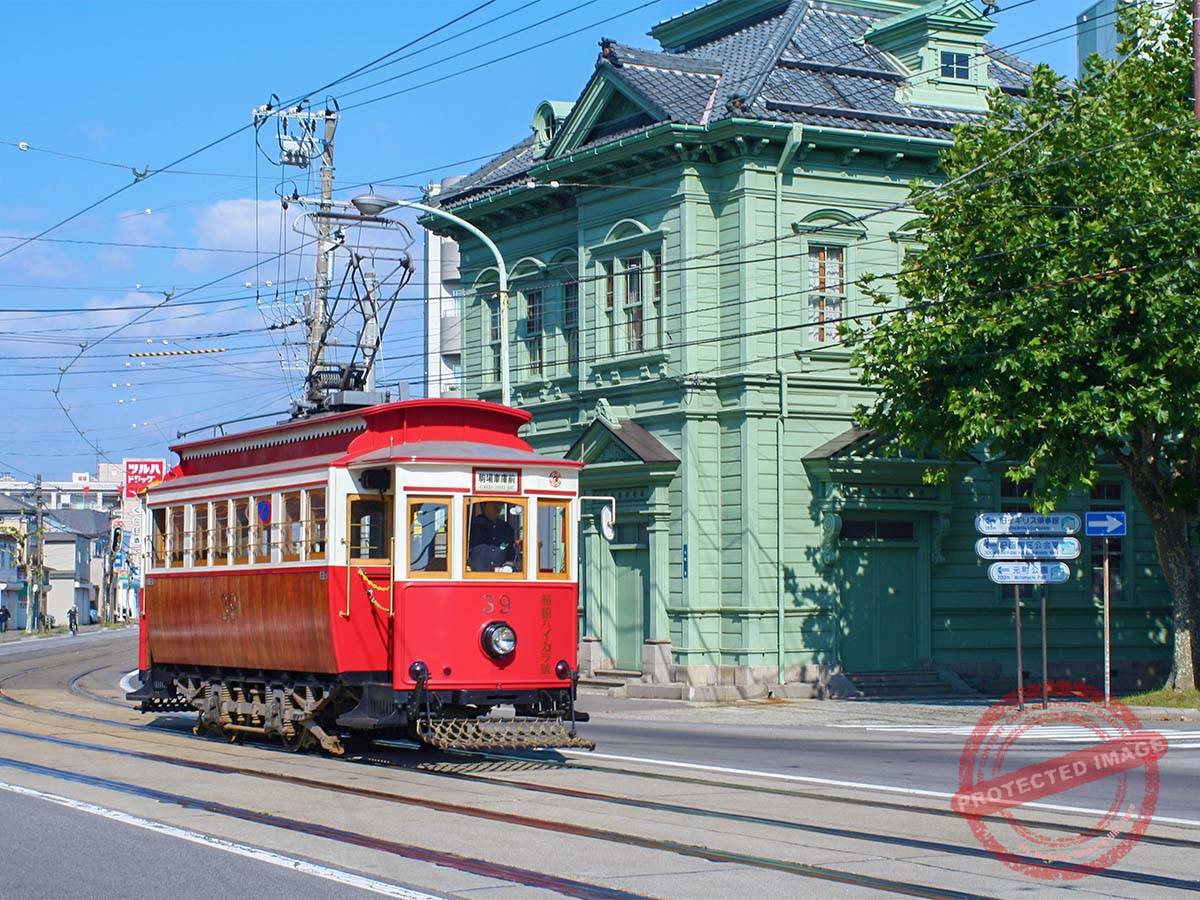
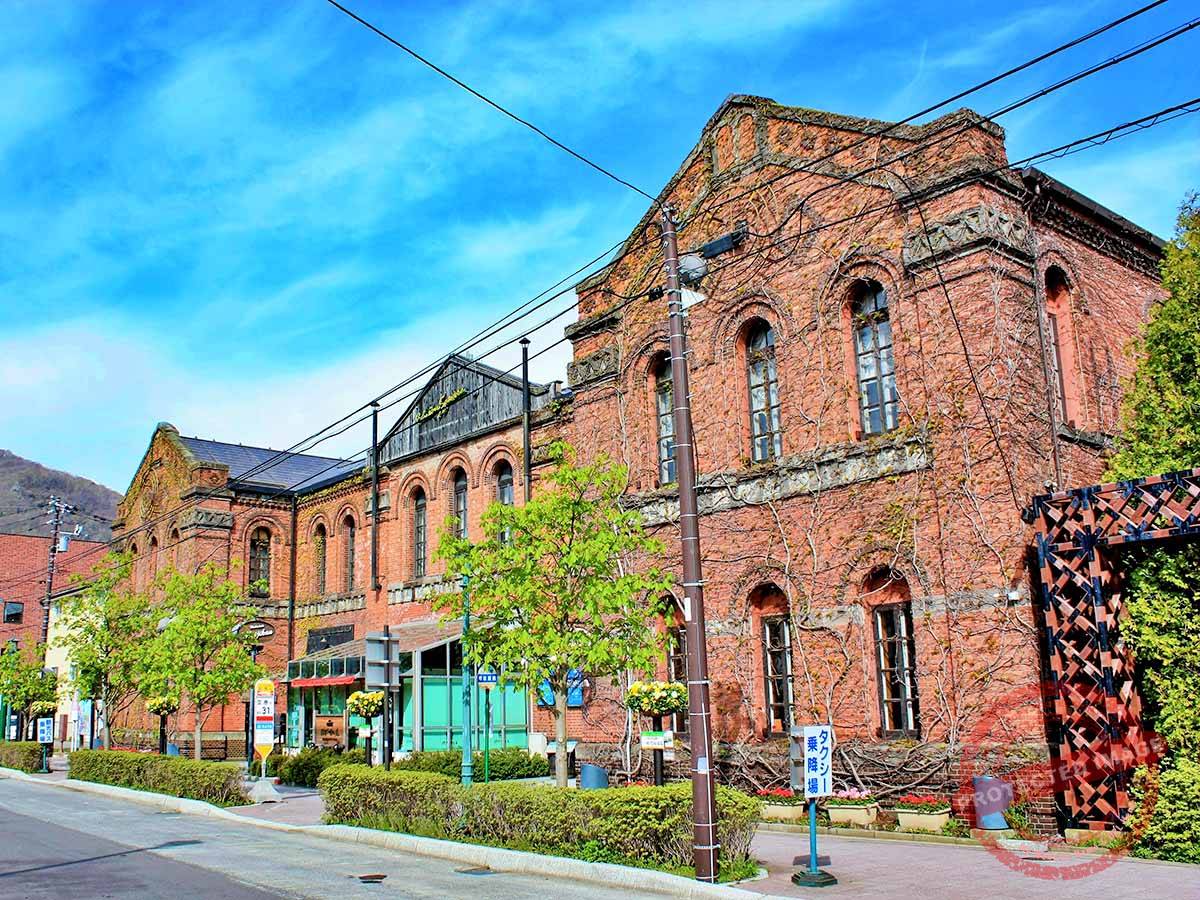
The significance of Motomachi lies in its role as a testament to Japan’s Meiji-era cosmopolitanism. The environment is characterized by a polished sense of cultural continuity and historical depth. The Old Public Hall of Hakodate Ward represents the pinnacle of colonial-style architecture in the region. Completed in 1910, this designated Important Cultural Property features a grand balcony and intricate yellow-trimmed woodwork. Nearby, the Hakodate Orthodox Church serves as a vital cultural anchor for the city’s early spiritual history. Originally founded in 1858 by the Russian Consulate, the current structure is noted for its distinctive green copper roofs. The Hakodate Meijikan provides an experiential link to the city’s industrial past. This former central post office, constructed of red brick in 1911, now functions as a refined shopping complex dedicated to regional glasswork. The district remains a premiere destination for those seeking to engage with the mature spirit of Hokkaido’s southern coast. |