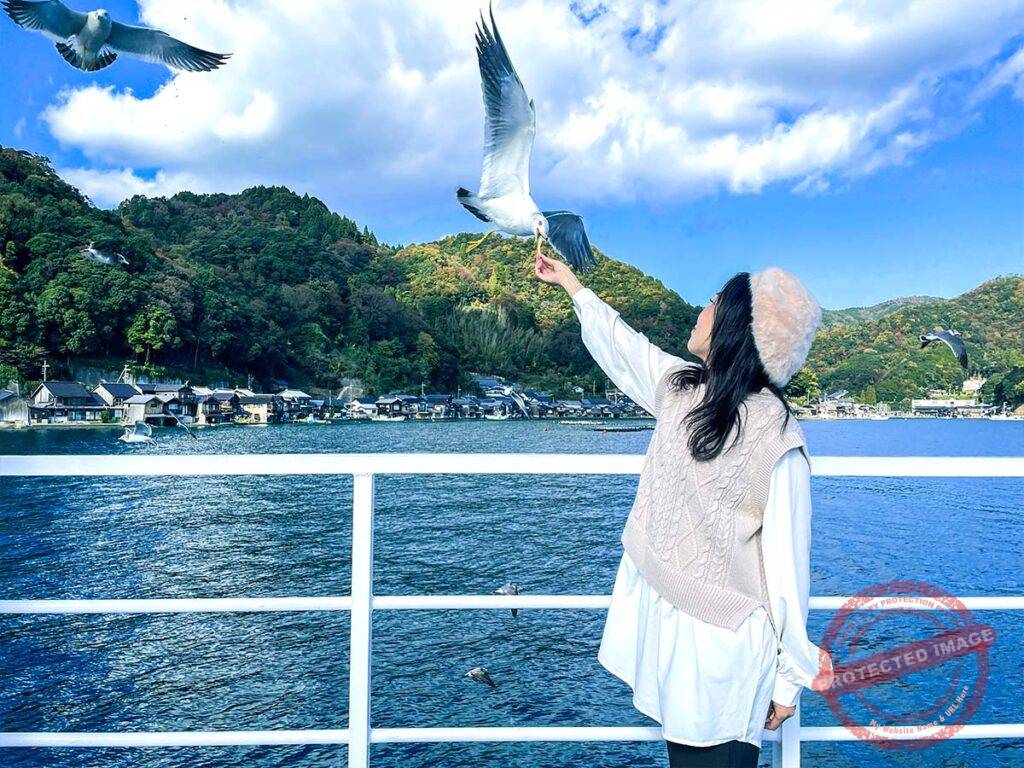
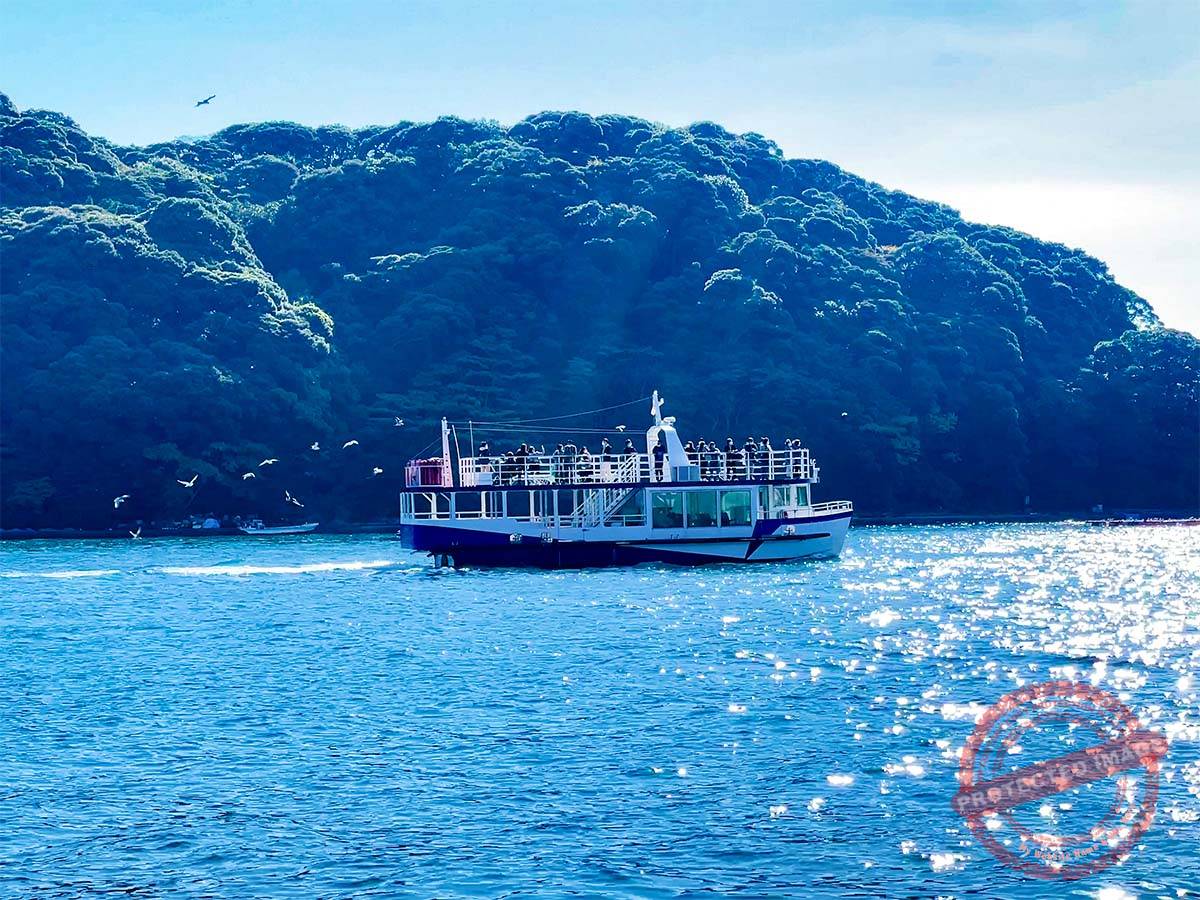
The excursion is topographically defined by the five-kilometer arc of the bay, a naturally sheltered inlet on the northern tip of the Kyoto Prefecture. This protected position has allowed for the preservation of approximately 230 “funaya” or boat houses, which were developed to maximize the narrow space between the mountains and the shoreline. The layout of the cruise follows the gentle curve of the coast, offering an authoritative view of these two-story wooden structures. The lower levels of the dwellings serve as private docks for fishing vessels. The upper levels provide residential space for the inhabitants. The craftsmanship of these buildings is most evident from the water, where the weathered timber facades and traditional joinery appear to rise directly from the emerald surface of the bay.
The significance of the cruise lies in its ability to present the village as a singular, cohesive landscape that has remained largely unchanged since the Edo period. The environment is characterized by a polished sense of maritime stillness and historical continuity. This atmosphere is most visually compelling when the boat navigates the inner reaches of the bay, revealing the rhythmic alignment of the houses and the quiet efficiency of the local fishing industry. The sensory experience is defined by the soft sound of the wake against the stone foundations and the crisp, salt-scented air of the Tango Peninsula. It remains a premiere destination for those seeking a composed and intellectually rewarding encounter with Japan’s maritime history. The site stands as a polished witness to a disciplined way of life where the boundary between the home and the sea is effectively removed. |