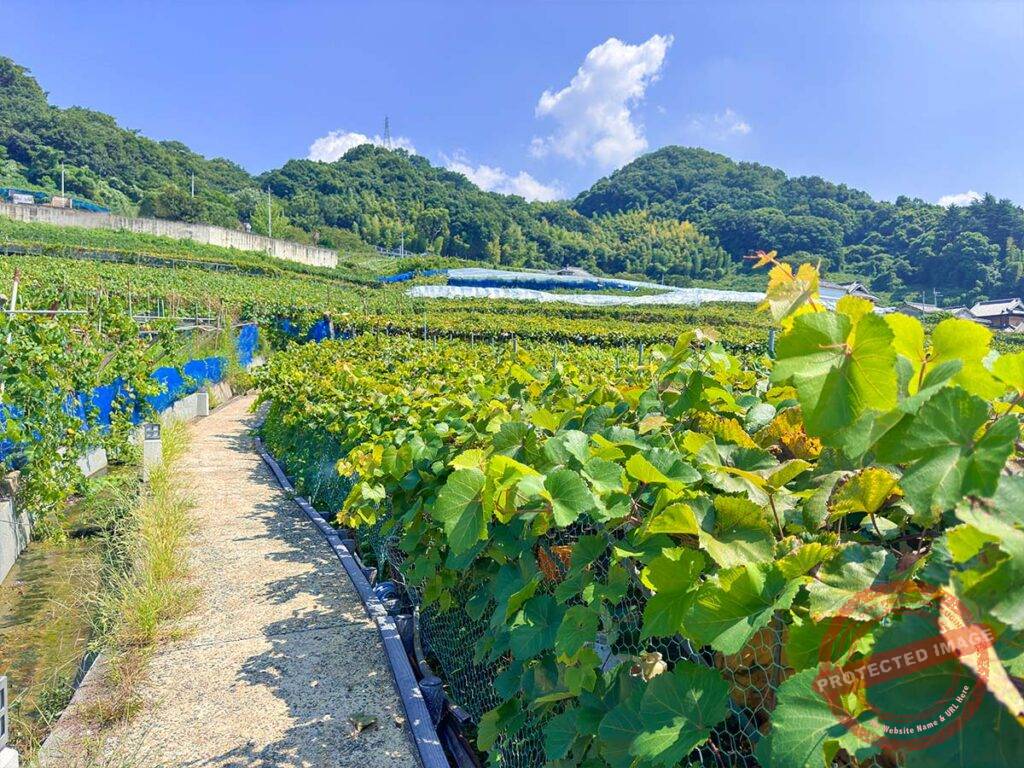
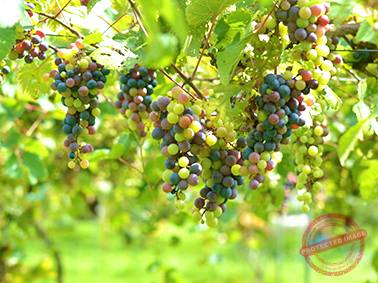
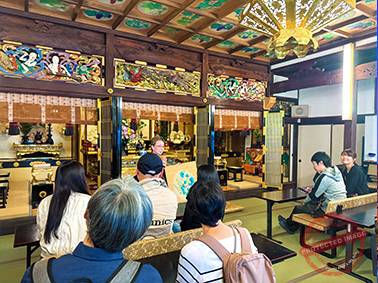
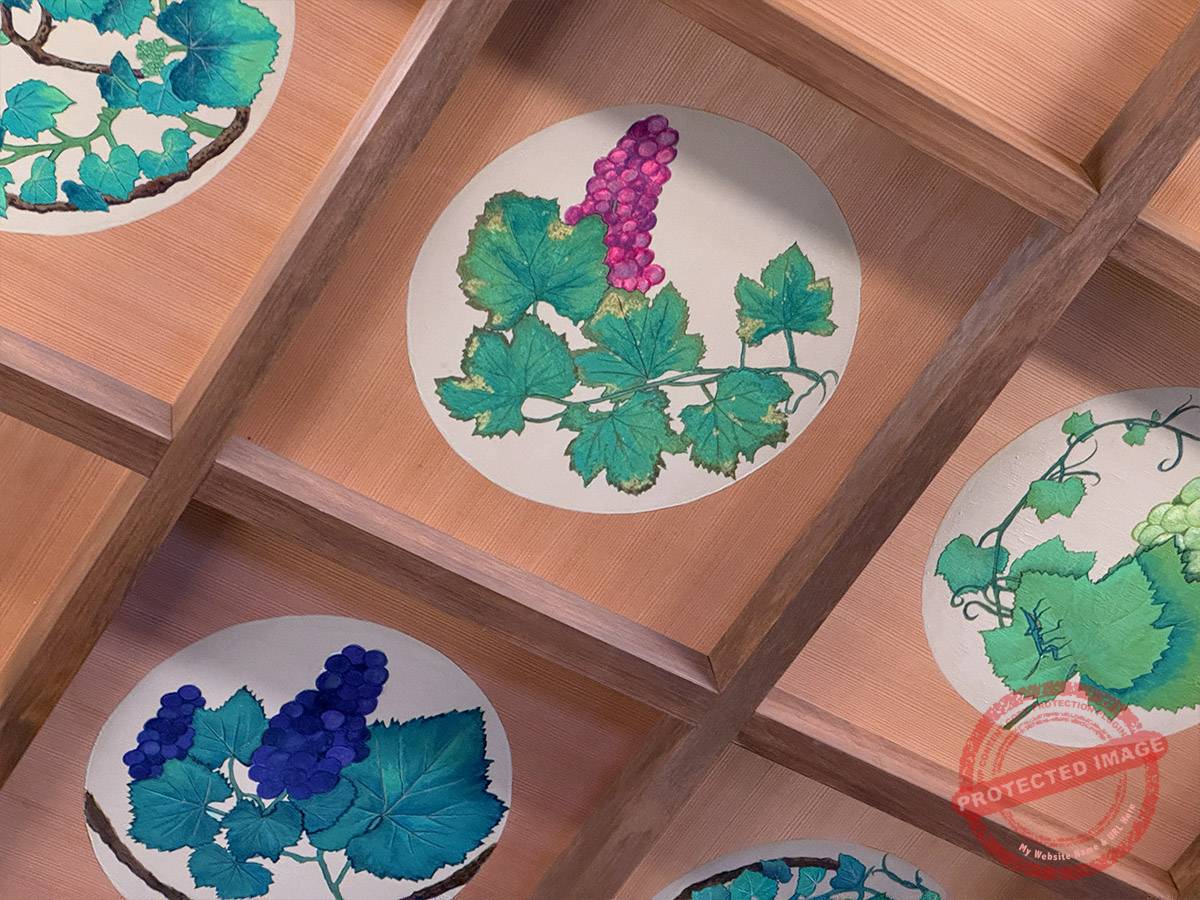
The excursion is topographically defined by the fertile Koshu Valley, an area protected by the surrounding mountains and fed by mineral-rich volcanic soil. This location serves as the vital cultural anchor for Japanese winemaking, which began its modern evolution in the late nineteenth century. The layout of the experience includes a guided walk through ancestral vineyards where the indigenous Koshu grape is cultivated using traditional overhead trellises. The craftsmanship of the region is further represented by a visit to a historic “Budo-dera” or Grape Temple. This site features a sanctuary with hand-drawn grape motifs on the ceiling, signifying the deep-rooted spiritual and agricultural connection to the vine.
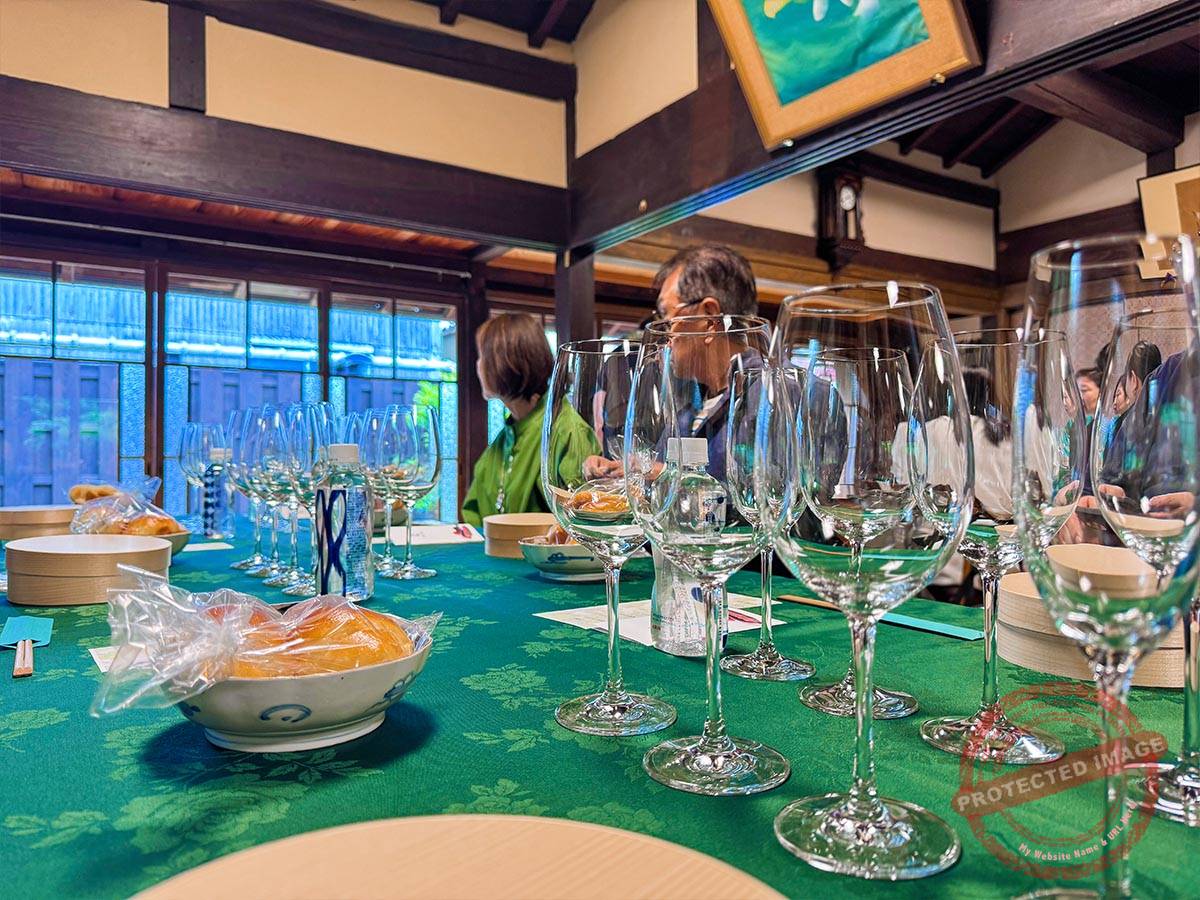
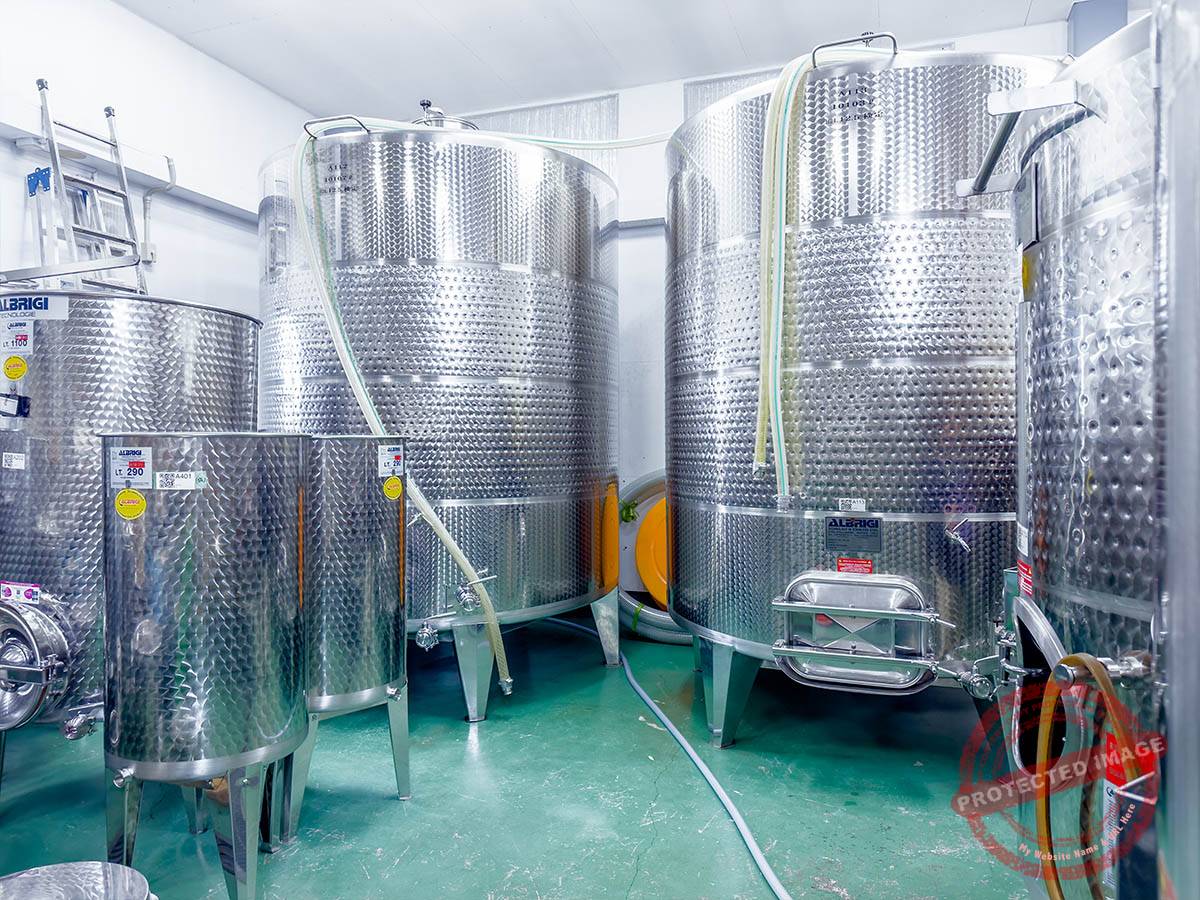
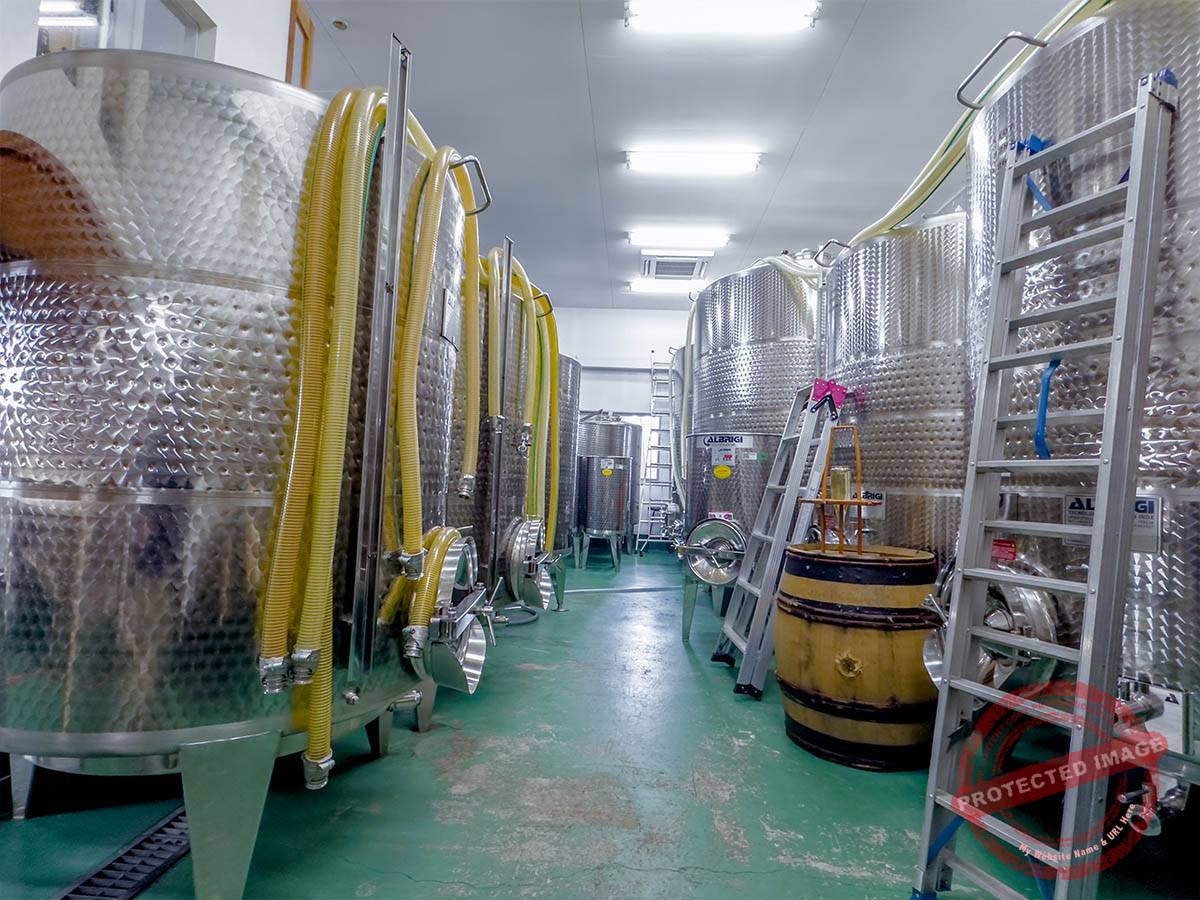
The significance of the tour lies in its ability to bridge the gap between traditional rural life and modern oenology. The environment is characterized by a polished sense of agrarian tranquility and historical depth. This atmosphere is most visually compelling during the autumn harvest when the vines are heavy with fruit and the valley is vibrant with seasonal color. The sensory experience is defined by the contrast of cool, stone-walled cellars and the sun-drenched paths of a peaceful rural town. The engagement concludes with a formal Western-style lunch paired with local vintages, providing a disciplined exploration of how regional flavors complement international culinary techniques. It remains a premiere destination for those seeking to engage with the sophisticated evolution of Japan’s premier wine district. |