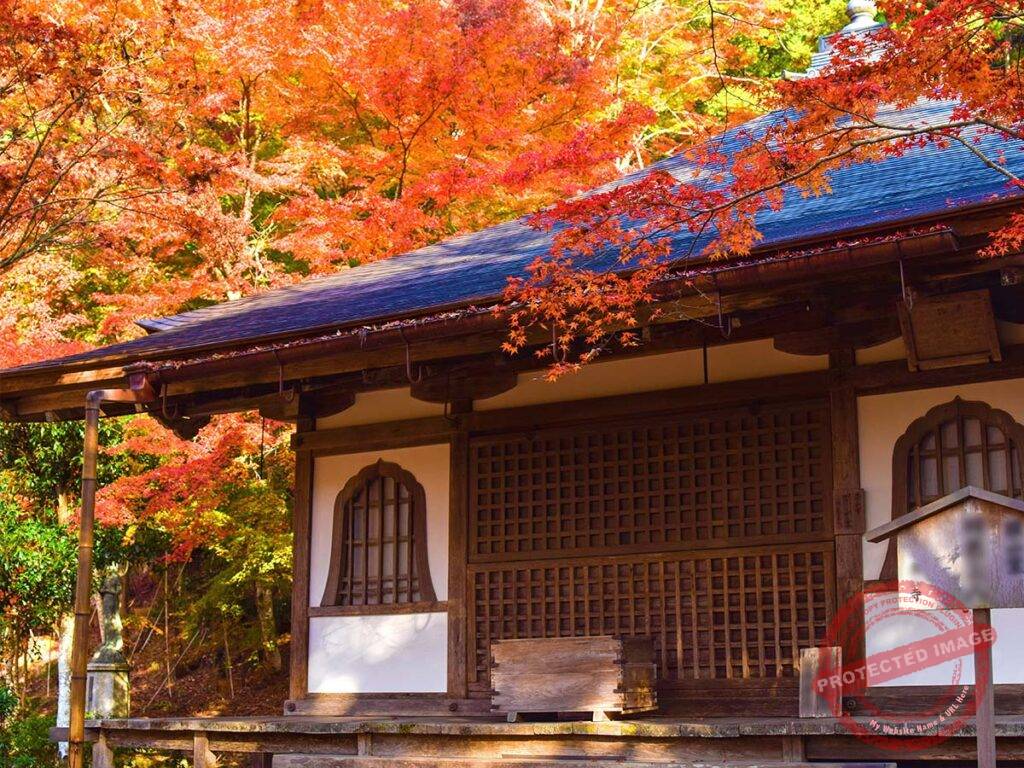
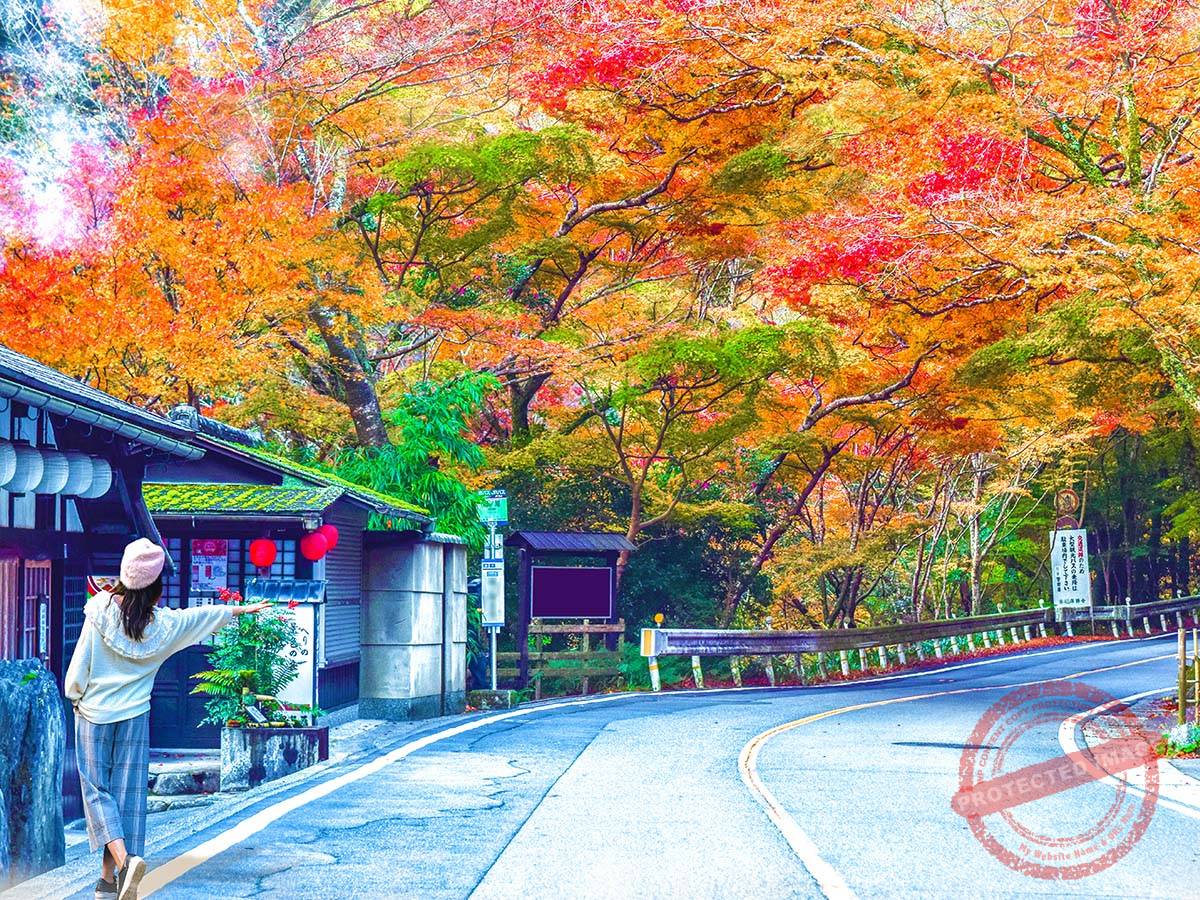
The temple is topographically defined by its secluded location within a dense forest of ancient cedars and maples. This provides an authoritative sense of isolation from the urban center. Originally established in the late eighth century and later restored by the priest Myōe in 1206, the site is recognized as the birthplace of tea cultivation in Japan. The layout is characterized by its integration with the natural terrain. The craftsmanship of the structures is most elegantly represented by the Sekisui-in, the only original Kamakura-period building remaining on the grounds. This hall is noted for its refined joinery and its open design which allows for a disciplined harmony with the surrounding landscape.
The significance of the temple lies in its extraordinary collection of ancient cultural treasures. The environment is characterized by a polished sense of scholarly reverence and historical depth. This atmosphere is most visually compelling in the Sekisui-in, where the famous “Chōjū-jinbutsu-giga” or Scrolls of Frolicking Animals and Humans are traditionally associated with the site. These scrolls are widely considered the earliest examples of Japanese manga. The sensory experience is defined by the sound of the Kiyotaki River in the valley below and the sight of the oldest tea field in the country. This site remains a premiere destination for those seeking to engage with the early traditions of Japanese Zen and the refined aesthetics of the Kamakura era. The temple stands as a polished witness to the enduring relationship between spiritual practice and the preservation of national artistic treasures. |