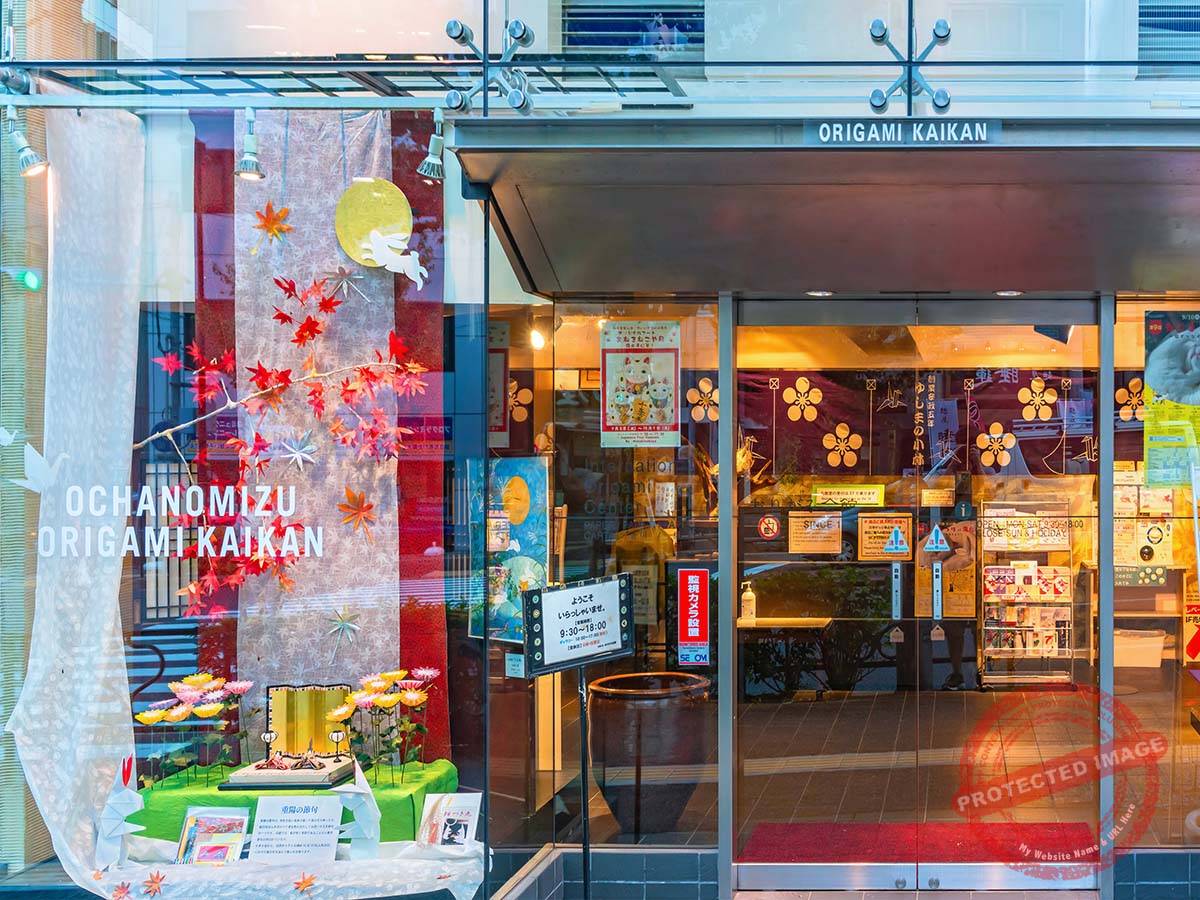
The facility is topographically situated in the Sumida district, serving as the headquarters for the Nippon Origami Association. It was established to document the historical evolution of the craft from its ceremonial Edo-period origins to its modern application in mathematics and engineering. The interior is characterized by a disciplined and minimalist layout that prioritizes the intricate geometry of the exhibits. The craftsmanship of the museum is reflected in its vast collection of thousands of models. These range from traditional “tsuru” cranes to complex, modular sculptures created from a single, uncut square of paper. The collection includes authoritative masterworks by renowned folders, highlighting the precision and structural integrity inherent in the medium.
The significance of the museum lies in its dual role as a repository of historical techniques and an incubator for contemporary innovation. The environment is characterized by a polished sense of focus and artistic depth. This atmosphere is most visually compelling during seasonal exhibitions, where displays are often themed around traditional festivals or the natural flora of Japan. The sensory experience is defined by the subtle textures of “washi” paper and the quiet atmosphere of the research library. Visitors have the opportunity to engage with the material through specialized workshops and a dedicated shop offering high-quality papers. The museum stands as a polished witness to the enduring relevance of paper-folding as a sophisticated cultural expression. |