Tenjinbashi Shotengai
Tenjinbashi Shopping Street stands as a monumental commercial artery in Osaka, serving as a vital cultural anchor and officially recognized as the longest shopping arcade in Japan.
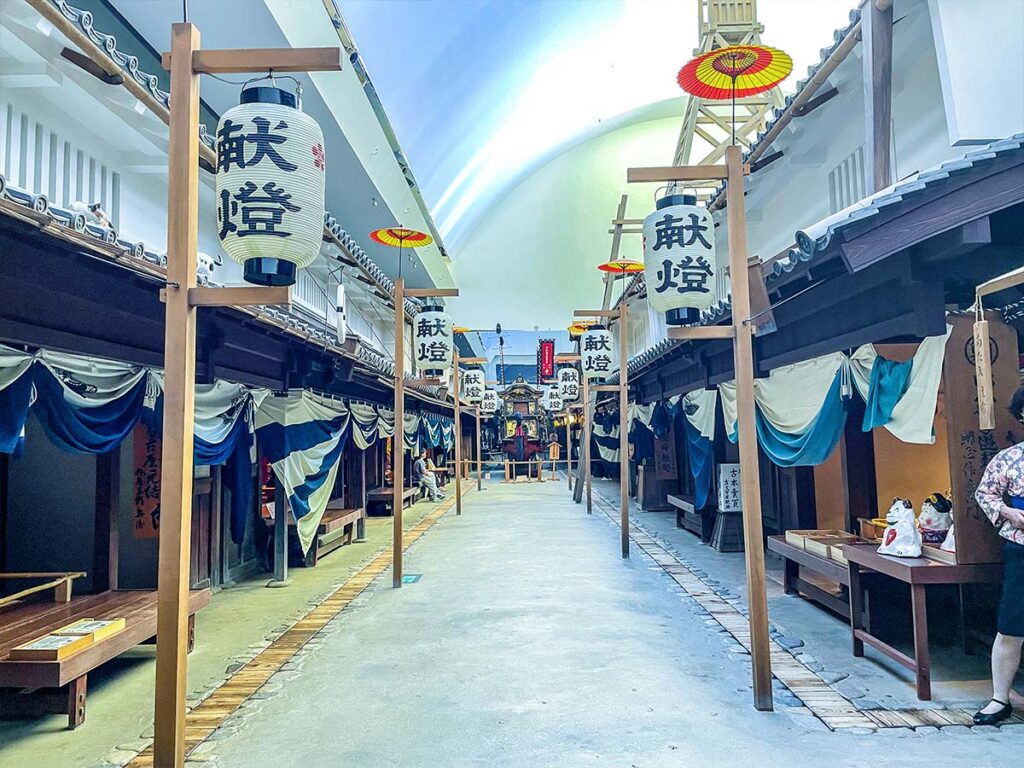
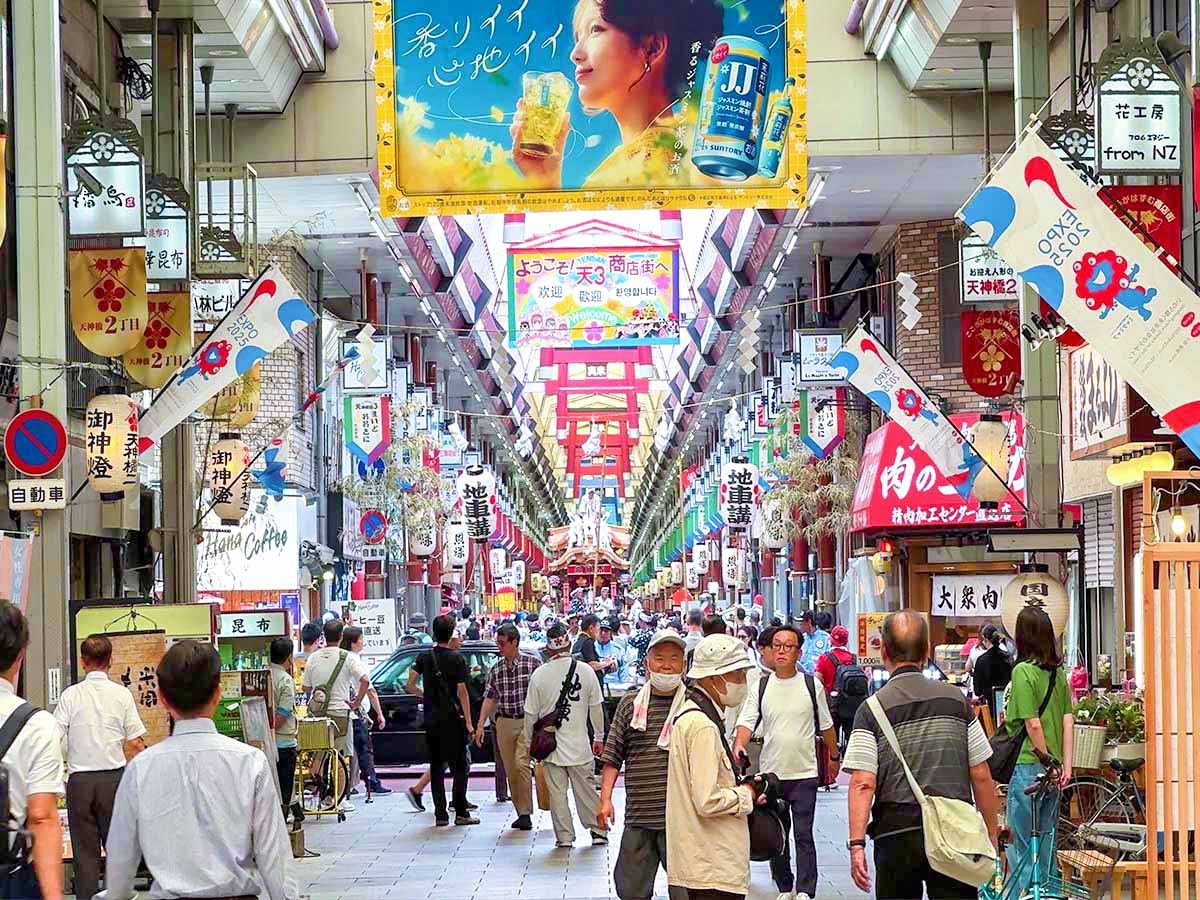
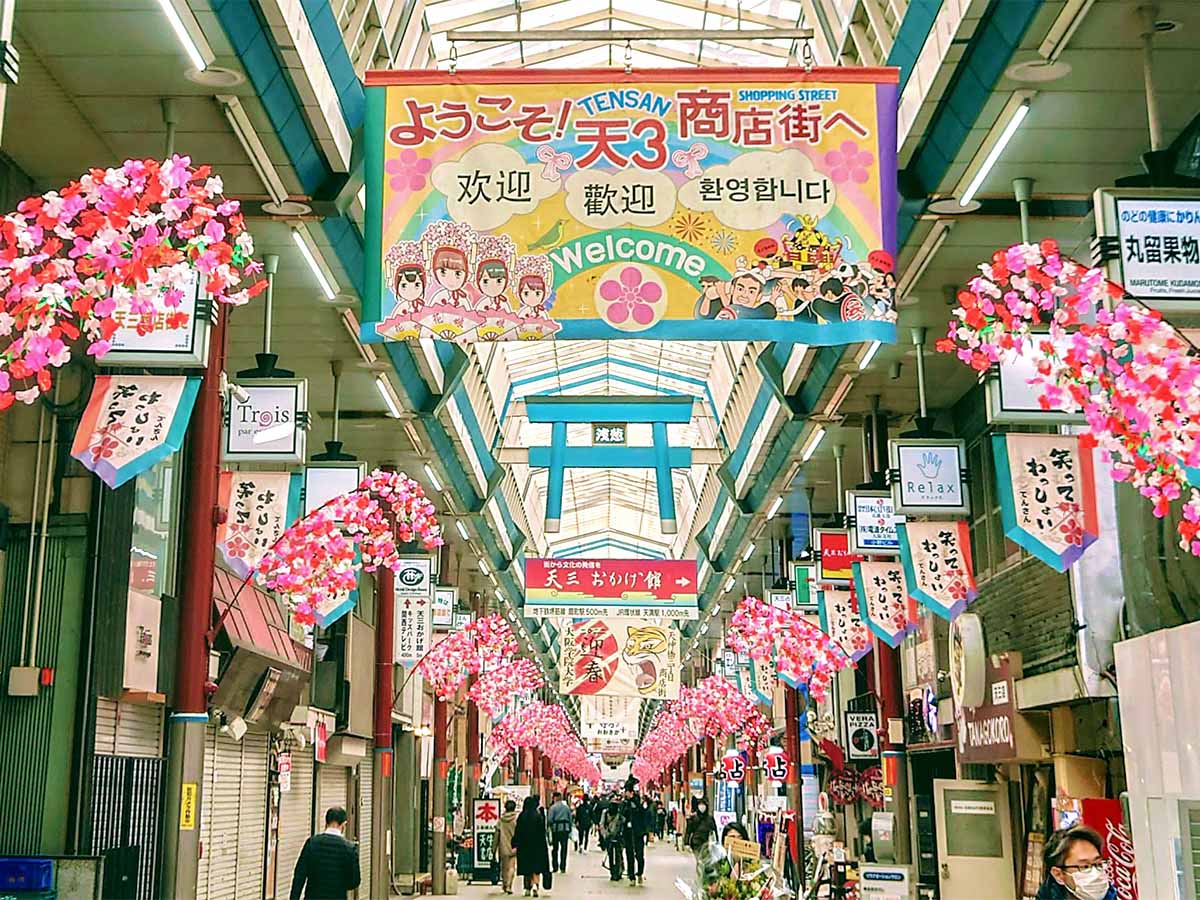
The thoroughfare is architecturally defined by its continuous covered arcade that stretches for approximately 2.6 kilometers, divided into seven distinct “chome” or blocks. The layout originated in the early seventeenth century as a humble wholesale vegetable market and an essential approach for worshippers heading toward the Osaka Tenmangu Shrine. The craftsmanship of the district is reflected in the diverse range of approximately 800 independently owned shops, including traditional blade-smiths, tea merchants founded in the nineteenth century, and local diners that have served the community for generations. The environment is characterized by a polished sense of “shitamachi” or old-town friendliness, where the rhythmic exchange between merchants and customers preserves the authentic spirit of Osaka’s merchant class.
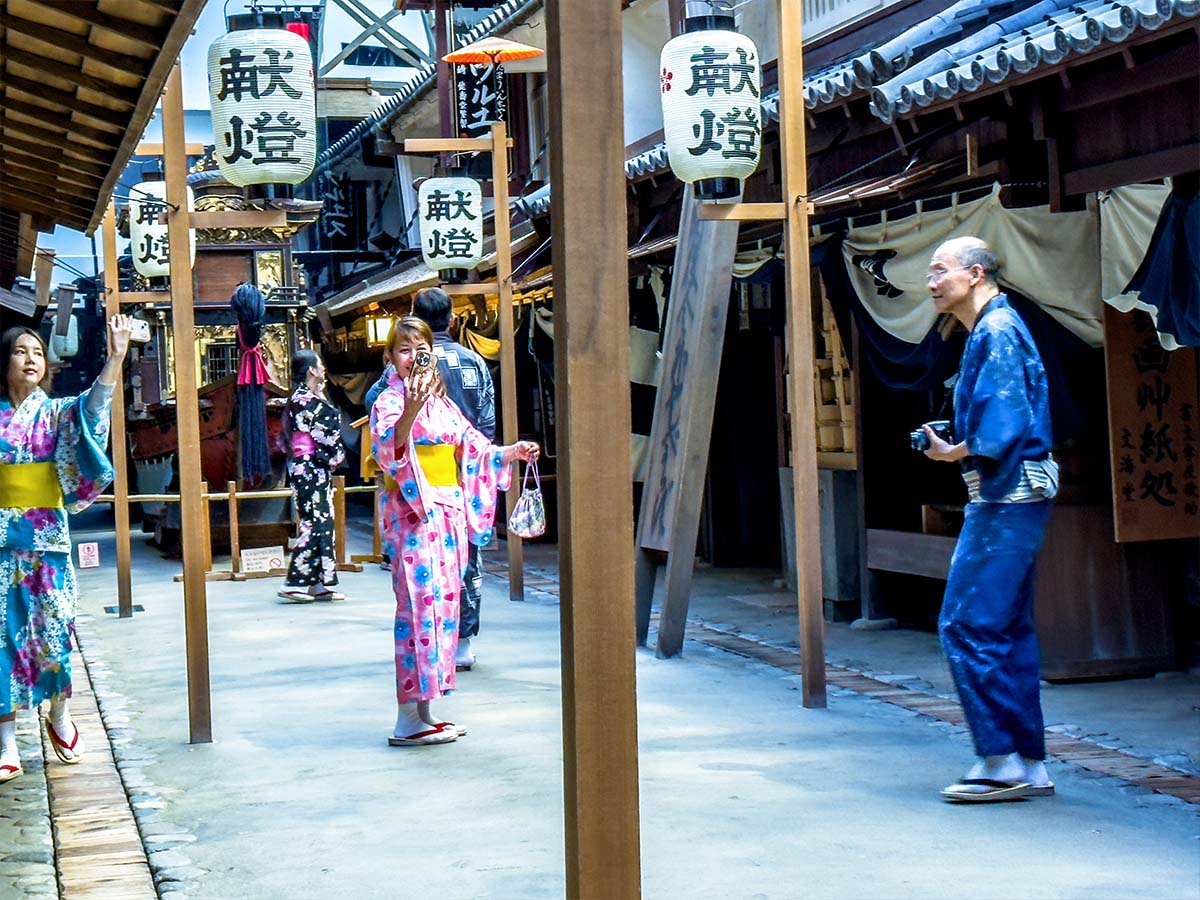
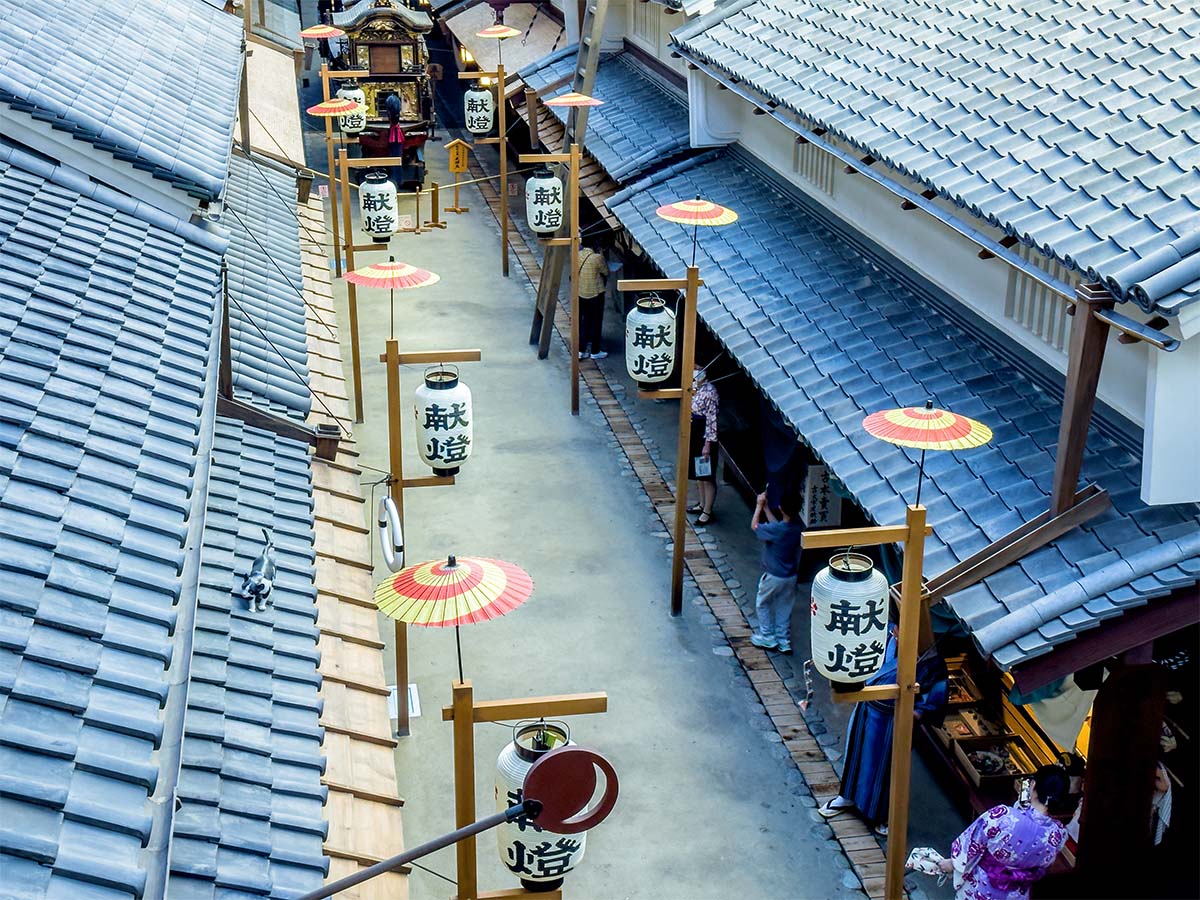
The significance of the street is further enhanced by its connection to the Osaka Museum of Housing and Living, located at the northern end of the arcade. This facility is topographically unique, occupying the upper floors of a modern building but featuring a full-scale, life-sized recreation of an Osaka townscape from the late Edo period. The environment within the museum is characterized by a polished attention to historical detail, featuring functional machiya townhouses, a fire watchtower, and a communal well. The atmosphere is most visually compelling during the museum’s “day-to-night” lighting cycles, which simulate the passage of time over the traditional roofs. The sensory experience is defined by the opportunity to walk through the recreated streets in a rented yukata, providing a definitive link between the contemporary energy of the shopping arcade below and the historical living conditions of the past.
For the luxury and heritage traveler, Tenjinbashi provides a composed and intellectually rewarding environment that captures the intersection of urban evolution and social history. The atmosphere is one of disciplined preservation amidst modern commerce. The district offers a premiere location to sample regional specialties such as freshly fried croquettes from renowned stalls or traditional “taiyaki” sweets. It remains an essential destination for those seeking to engage with the daily rhythms and historical depth of Osaka. The site stands as a polished witness to the city’s enduring identity as a “kuidaore” or food-loving metropolis.