
Kanazawa 21st Century Museum of Contemporary Art
The 21st Century Museum of Contemporary Art, Kanazawa stands as a monumental cultural anchor in central Kanazawa, serving as a vital center for the integration of modern artistic vision and traditional civic life.
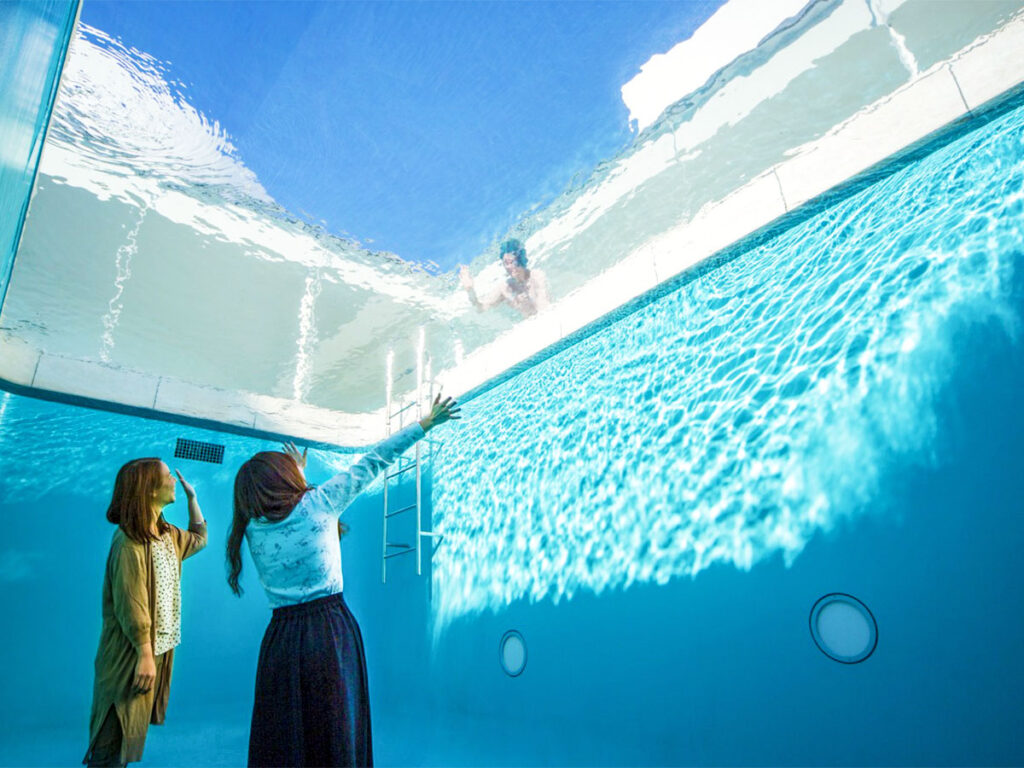
The museum is architecturally defined by its innovative circular structure and transparent glass perimeter, which eliminates the distinction between front and back and allows for multiple entry points. This open layout, designed by the authoritative architectural firm SANAA, facilitates a disciplined yet accessible environment where art is integrated into the public landscape. The craftsmanship of the site is reflected in its specialized exhibition spaces, which vary in height and light conditions, and its seamless connection to the surrounding parkland.
The significance of the museum lies in its role as a leader in interactive and community-oriented contemporary art. The environment is characterized by a polished sense of openness and experimentation. This atmosphere is most visually compelling at the “Swimming Pool” installation by Leandro Erlich, where visitors can appear to stand beneath the water’s surface, creating a rhythmic interplay of light and human movement. The sensory experience is defined by the bright, airy corridors and the contrast between the minimalist white interior and the vibrant seasonal colors of the outdoor gardens.
For the luxury and heritage traveler, the 21st Century Museum of Contemporary Art provides a composed and intellectually rewarding environment that captures the intersection of world-class architecture and regional cultural revitalization. The atmosphere is one of disciplined creativity. The museum features the “Blue Planet Sky” by James Turrell, which offers a definitive location to observe the shifting light of the Kanazawa sky through a ceiling aperture. It also houses specialized workshops and community galleries that reflect the city’s long history of artisanal excellence. It remains a premiere destination for those seeking to understand the evolution of Japanese art in a global context. The site stands as a polished witness to the power of architecture to transform urban identity.