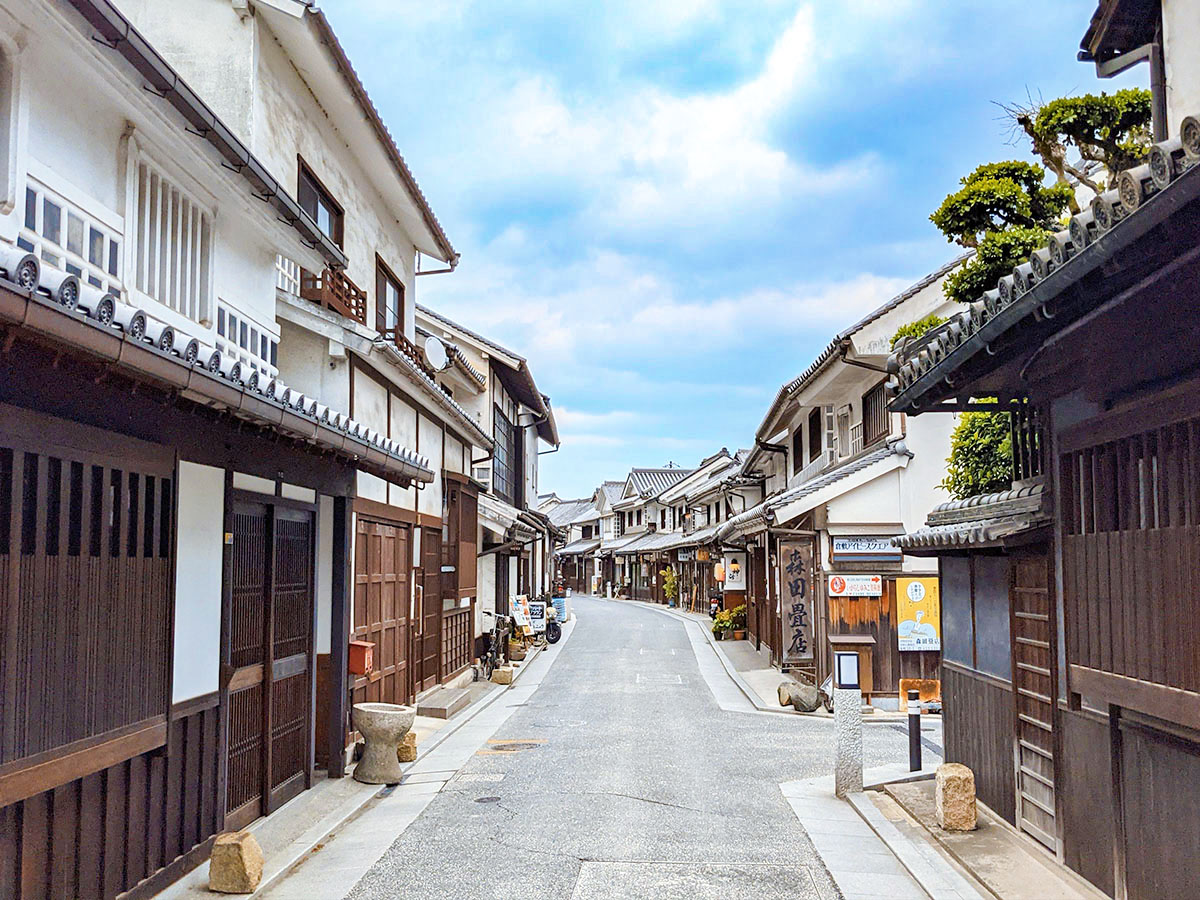
Kurashiki River Boat Ride
The Kurashiki River Boat Ride stands as a quintessential maritime experience, providing a rhythmic and authoritative vantage point of the Bikan Historical Area from its central canal.
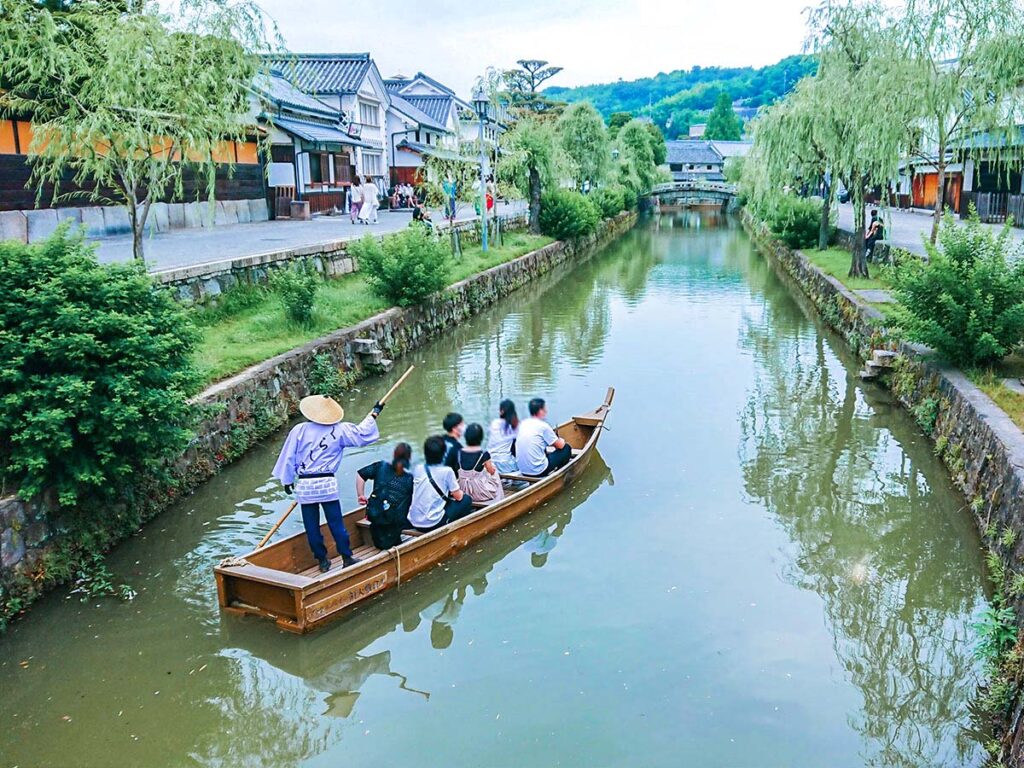
This activity is architecturally and topographically defined by the use of traditional “Tenma-bune” or flat-bottomed wooden boats, which were historically used for transporting rice and textiles. The route follows the gentle curve of the Kurashiki River, a waterway that served as the primary commercial artery for the region during the Edo period. The experience is characterized by the craftsmanship of the boatmen, who utilize long bamboo poles to navigate the shallow waters with disciplined precision. The layout of the journey takes passengers beneath historic stone bridges and alongside the white-plastered walls of ancient storehouses. This creates a sensory experience that emphasizes the scale and texture of the 17th-century masonry.
The significance of the boat ride lies in its role as a living preservation of Japan’s inland water-transport culture. The environment is characterized by a polished sense of tranquility and historical immersion. This atmosphere is most visually compelling during the spring when the willow trees are in fresh leaf or in the late afternoon when the low sunlight reflects off the canal surface. The perspective from the water level offers an intellectually rewarding view of the “Namako-mabe” wall patterns that is not accessible from the pedestrian streets. It remains a definitive location to witness the functional beauty of a merchant town designed for both aesthetic appeal and logistical efficiency.
For the luxury and heritage traveler, the Kurashiki River Boat Ride provides a composed and intellectually stimulating environment that captures the intersection of natural beauty and commercial history. The atmosphere is one of elevated stillness. It offers an essential perspective on the efficiency and social harmony of a feudal trading hub. It remains a premiere destination for those seeking to engage with the authentic pace of life in the Bikan Quarter. The site stands as a polished witness to the enduring relationship between Kurashiki’s architecture and its vital waterways.