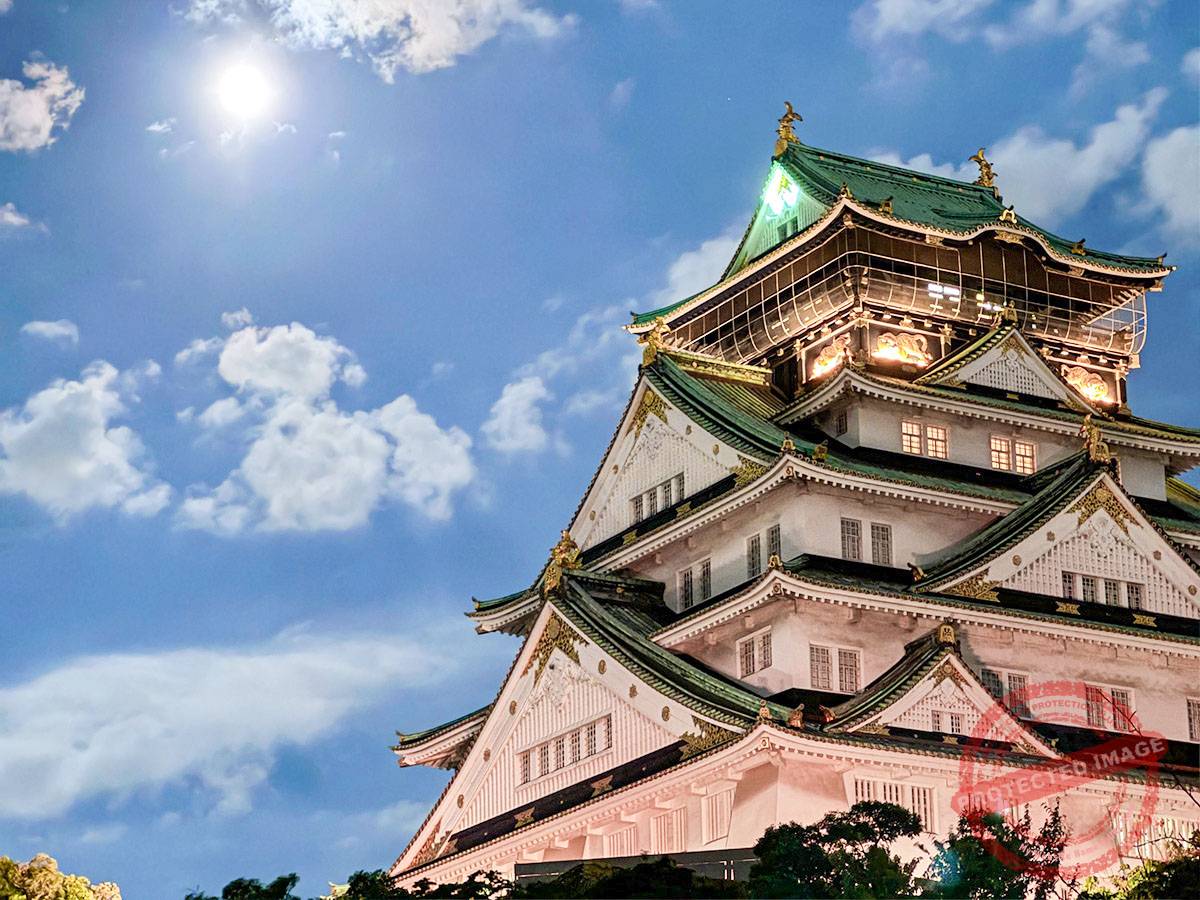
Osaka Castle Park
| Osaka Castle Park stands as a monumental landmark of Japanese unification, serving as a vital cultural anchor that reflects the city’s historical role as a center of political and military power. |
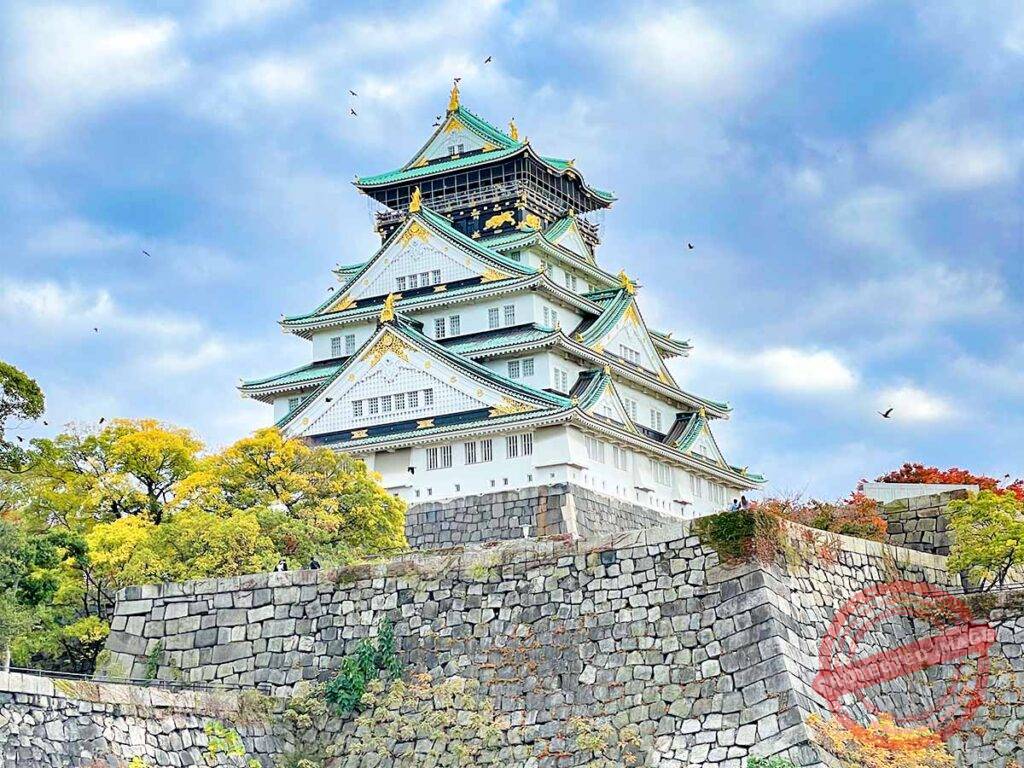
| The park is architecturally defined by the massive stone fortifications and deep moats that surround the central castle keep. Originally commissioned in 1583 by Toyotomi Hideyoshi, the site was intended to be the most formidable fortress in the nation. The layout is a disciplined arrangement of secondary citadels, massive stone walls constructed from granite blocks weighing several tons, and historic gates such as the Ote-mon. The current castle tower, reconstructed in 1931, utilizes reinforced concrete to replicate the aesthetic grandeur of the Azuchi-Momoyama period while featuring intricate gold-leaf ornamentation and “shachihoko” roof ornaments. This structure sits atop a towering stone base that survived the conflicts of the 17th century, providing an authoritative sense of continuity. The significance of the park lies in its status as a preservation site for thirteen structures designated as Important Cultural Properties, including the Sengan-yagura turret and the Enshogura gunpowder magazine. The environment is characterized by a polished balance of historical gravity and seasonal beauty. This is most visually compelling during the spring when approximately 3,000 cherry trees bloom throughout the Nishinomaru Garden. At this time, the contrast between the white-plastered walls and the soft flora emphasizes the castle’s transition from a military stronghold to a public sanctuary. The park serves as a definitive location to witness the scale of feudal engineering and the resilience of Osaka’s civic identity. For the luxury and heritage traveler, Osaka Castle Park provides a composed and intellectually rewarding environment that captures the intersection of medieval ambition and modern urban planning. The atmosphere is one of monumental dignity. The panoramic views from the top of the keep offer a strategic perspective of the contemporary skyline, underscoring the castle’s enduring presence in the heart of the metropolis. It remains a premiere destination for those seeking to understand the foundational history of modern Japan. The site stands as a polished witness to the city’s ability to maintain its historical heart amidst rapid industrial growth. |