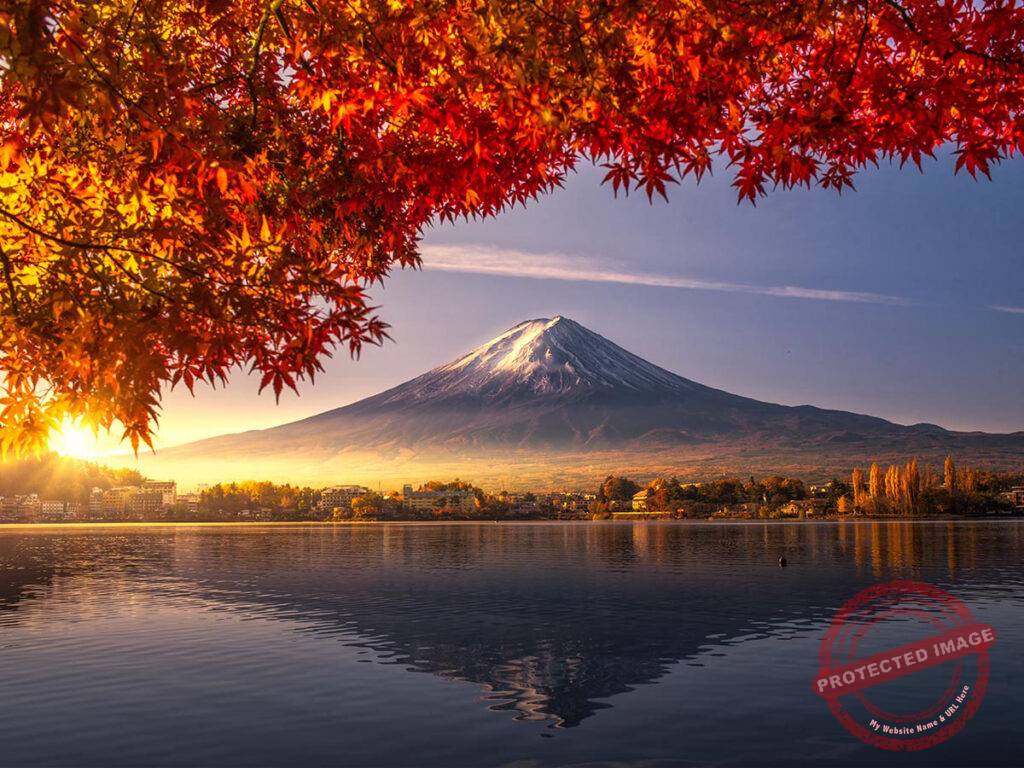
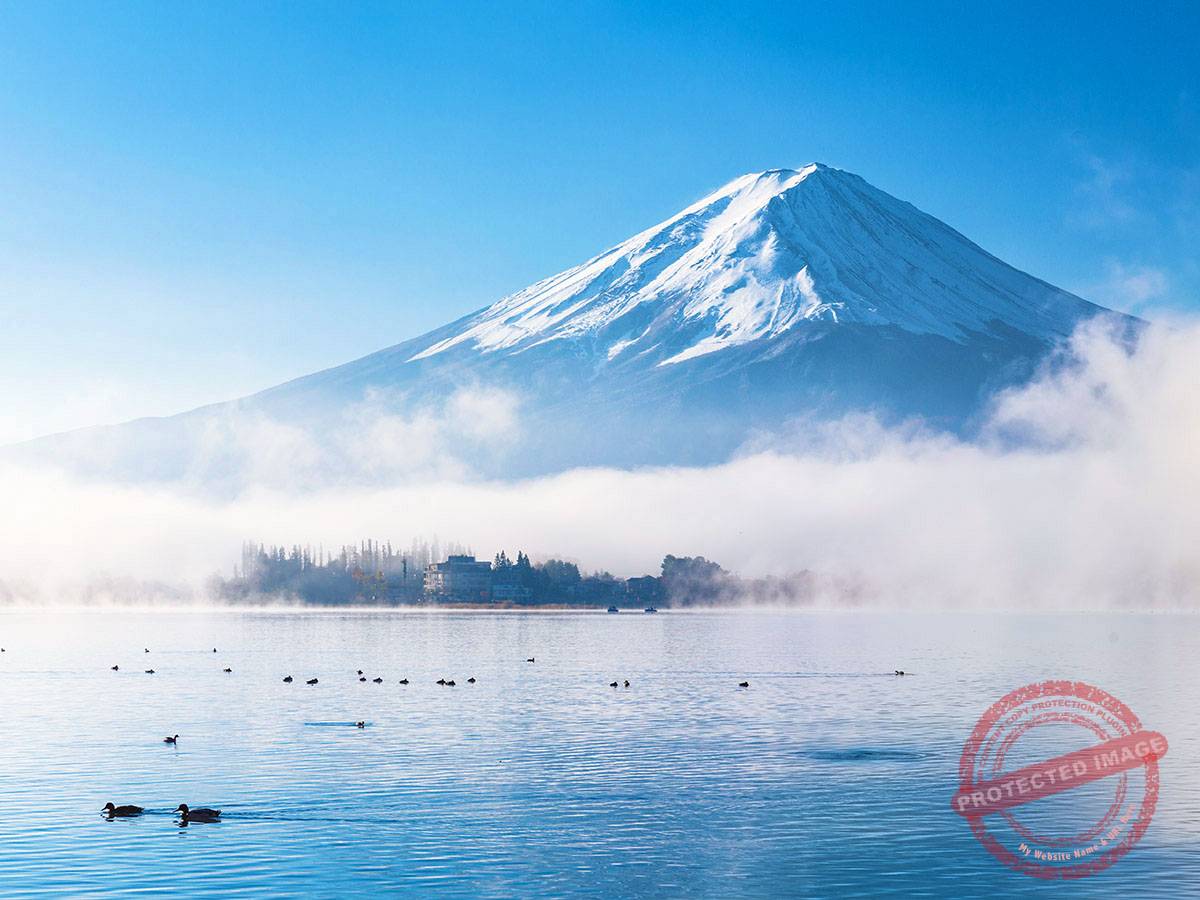
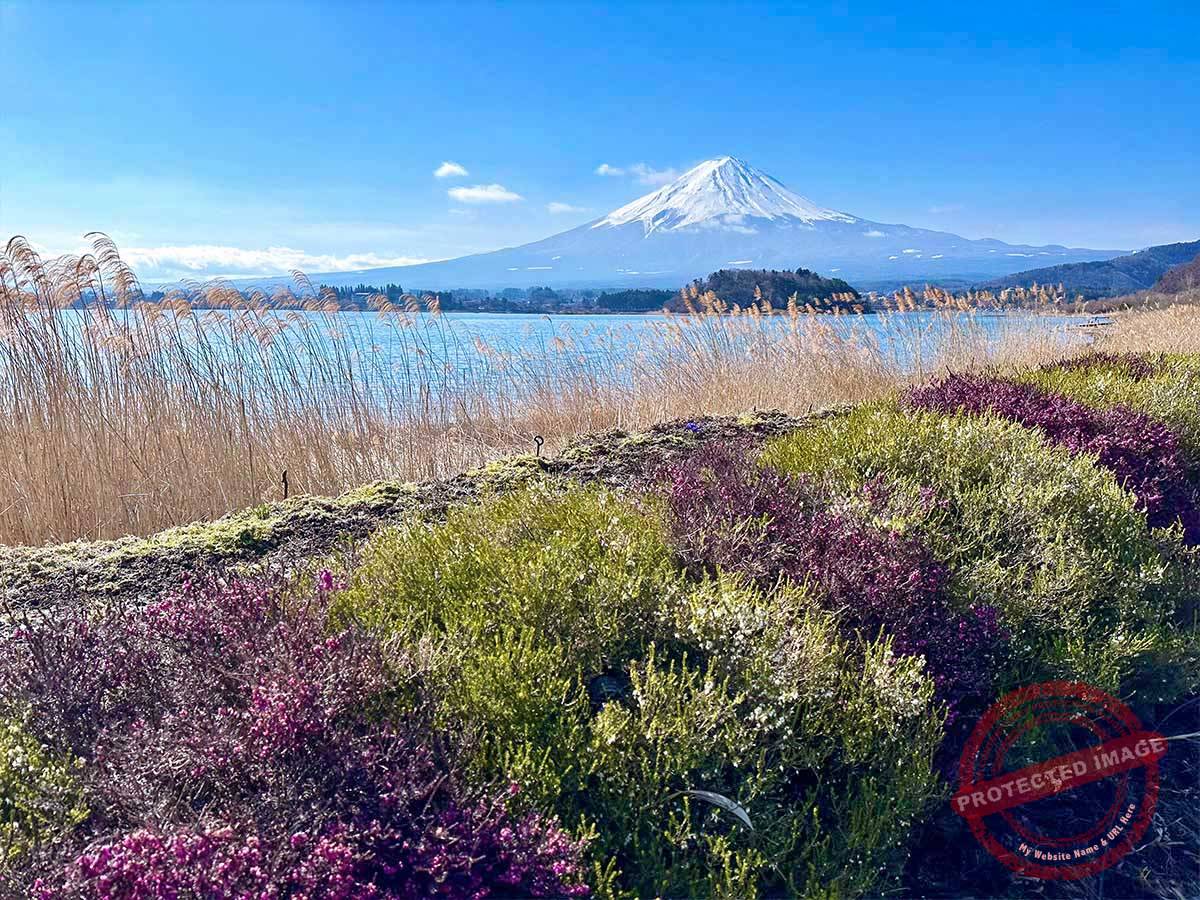
The region is topographically defined by its volcanic origins as one of the Fuji Five Lakes. It has served as a vital cultural anchor for Fuji pilgrimage traditions since the Edo period. Oishi Park, situated on the northern shore, functions as a sophisticated vantage point designed to harmonize with the mountain’s symmetrical profile. The park is characterized by its “Flowers Road”, a disciplined succession of curated gardens that bloom in rhythmic stages throughout the year. The layout is purposefully unobstructed. This preserves the visual integrity of the landscape and offers a sense of profound detachment from the more developed southern shores.
The significance of the site lies in its status as part of the UNESCO World Heritage designation for Mount Fuji. It emphasizes the mountain’s role as an object of worship and a source of artistic inspiration. The environment is most visually compelling during the summer months when lavender fields create a vibrant purple foreground, or in autumn when the kochia bushes transition to a deep crimson. This seasonal shift highlights the natural character of the area and its historical connection to the Japanese aesthetic of “kacho fugetsu”, or the beauty of flowers, birds, wind, and moon.
For the luxury and heritage traveler, Lake Kawaguchi and Oishi Park provide a composed and intellectually rewarding environment that captures the intersection of geological history and artistic contemplation. The atmosphere is one of disciplined stillness. It remains a premiere destination for those seeking a definitive maritime perspective of Japan’s most sacred peak. The site stands as a polished witness to the enduring appeal of the Fuji landscape and its ability to inspire a sense of monumental dignity through the changing seasons. |