
Ishibe Yokocho (Kyoto Ishibe Kodo)
| Ishibe-koji remains a quintessential example of Kyoto’s historic urban design, offering a secluded passage through the architectural heritage of the Higashiyama district. |
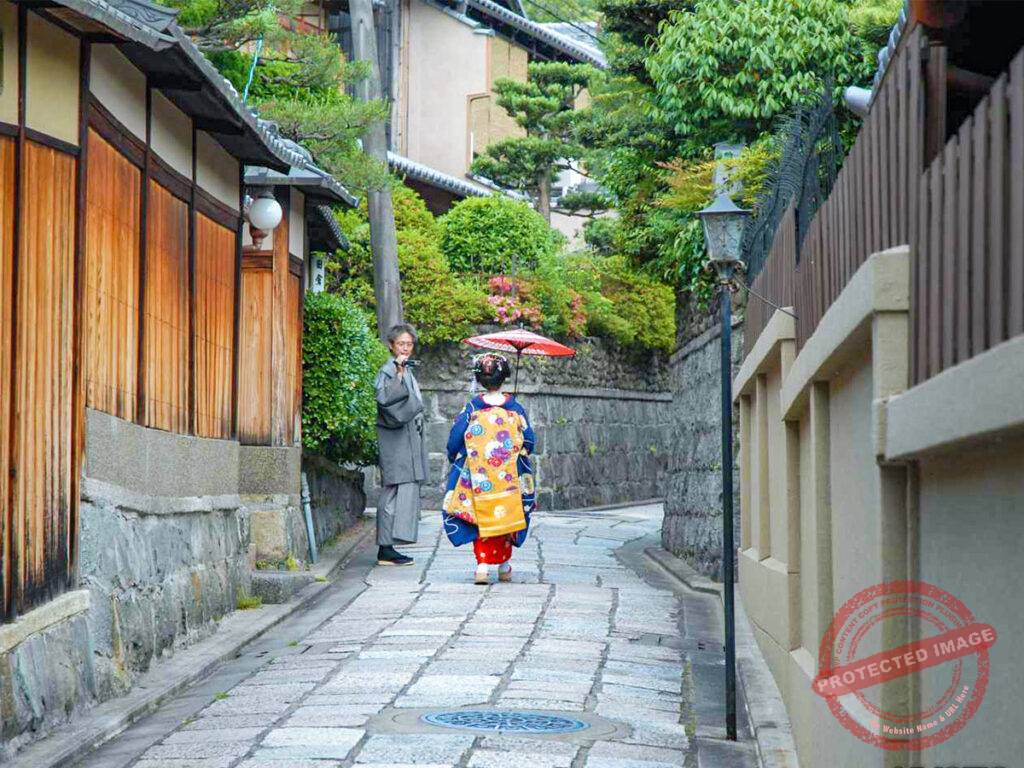
| The lane is architecturally and topographically defined by its polished stone-paved paths and the refined “machiya” townhouses that line its narrow corridor. While many areas of Kyoto reflect the deep antiquity of the Heian period, Ishibe-koji was largely developed during the Taisho era. This period is characterized by a sophisticated blend of traditional Japanese aesthetics and subtle modern influences. The layout is a disciplined arrangement of cedar-walled residences and high-end “ryotei” restaurants. These are constructed using high-quality timber and traditional joinery. This spatial organization creates a sense of profound enclosure. The name “Ishibe” itself refers to the stone walls that give the alley its authoritative and grounded character. The significance of Ishibe-koji lies in its status as a designated Preservation District for Groups of Traditional Buildings. It serves as a vital cultural anchor by maintaining a strict visual harmony that excludes modern intrusions like overhead power lines and neon signage. The environment is characterized by a quiet, understated luxury. The sound of footsteps on the flagstones and the soft light reflecting off the wooden facades define the sensory experience. This atmosphere is most visually compelling during the early evening. At this time, the warm glow of traditional lanterns emphasizes the rhythmic textures of the stone and wood. This creates a polished narrative of Kyoto’s enduring commitment to its aesthetic roots. For the luxury and heritage traveler, Ishibe-koji provides a composed and intellectually stimulating environment that captures the “wabi-sabi” philosophy of finding beauty in the aged and the tranquil. The atmosphere is one of refined stillness. It offers a definitive location to observe the sophisticated domestic architecture of the early 20th century. It remains a premiere destination for those seeking to engage with the authentic character of a city that values discretion and historical continuity. The site serves as a masterclass in urban preservation, where the physical environment dictates a slower, more reflective pace of travel. |