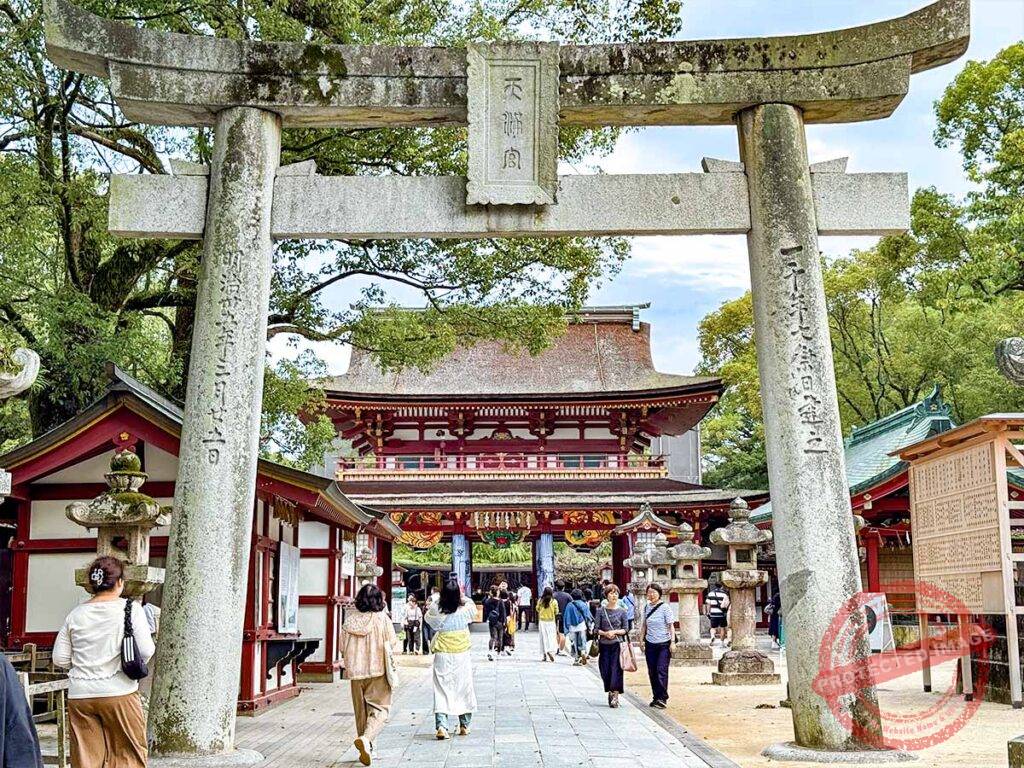
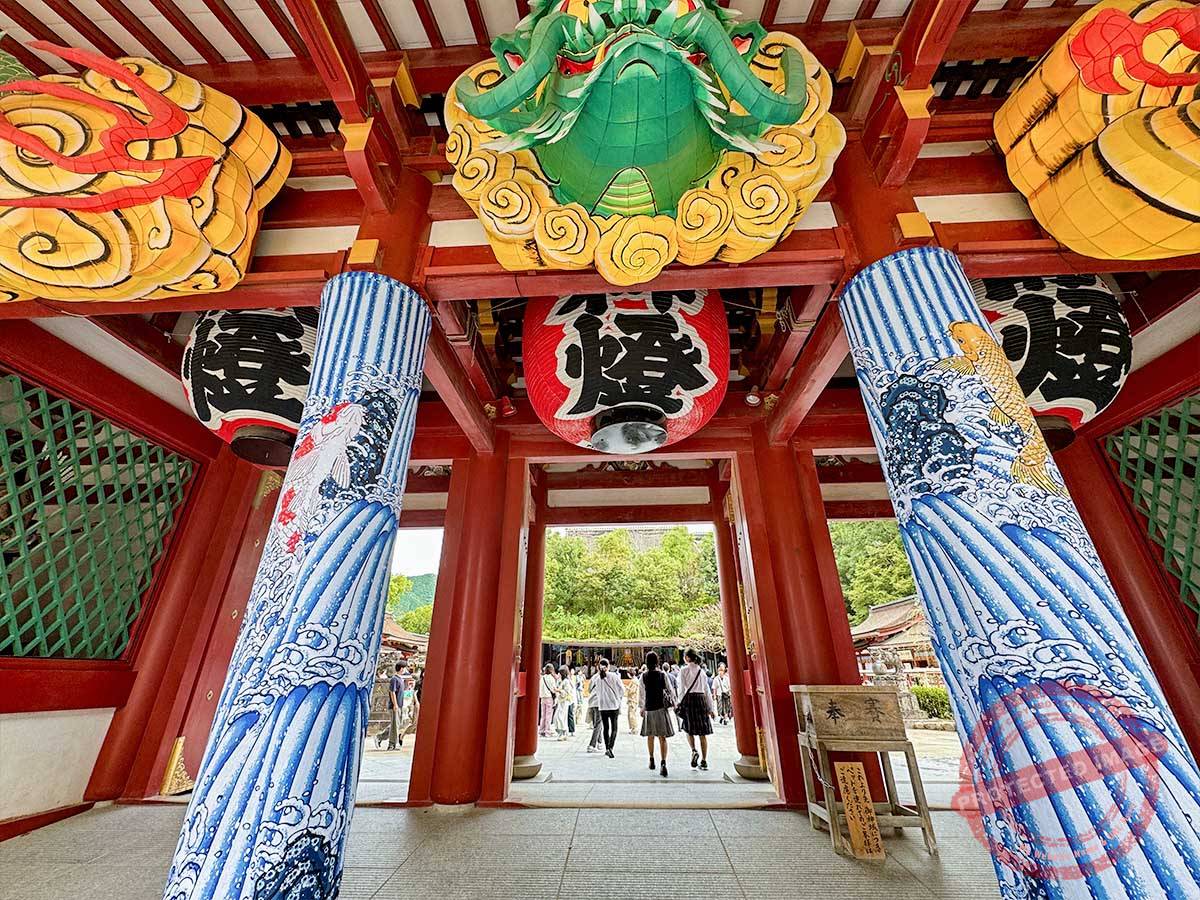
As the final resting place of Sugawara no Michizane, a 9th-century scholar and politician, the shrine serves as a premier center for academic success and cultural achievement. The current Honden (Main Hall) is a masterpiece of Momoyama-period architecture, rebuilt in 1591 by the daimyo Kobayakawa Takakage. The structure is celebrated for its elaborate woodwork and sweeping cypress-bark roof, reflecting a period of immense artistic vitality. The approach to the shrine is marked by the distinctive Taiko-bashi (Drum Bridges), which symbolize the past, present, and future, leading visitors through a rhythmic transition into the sacred inner precinct.
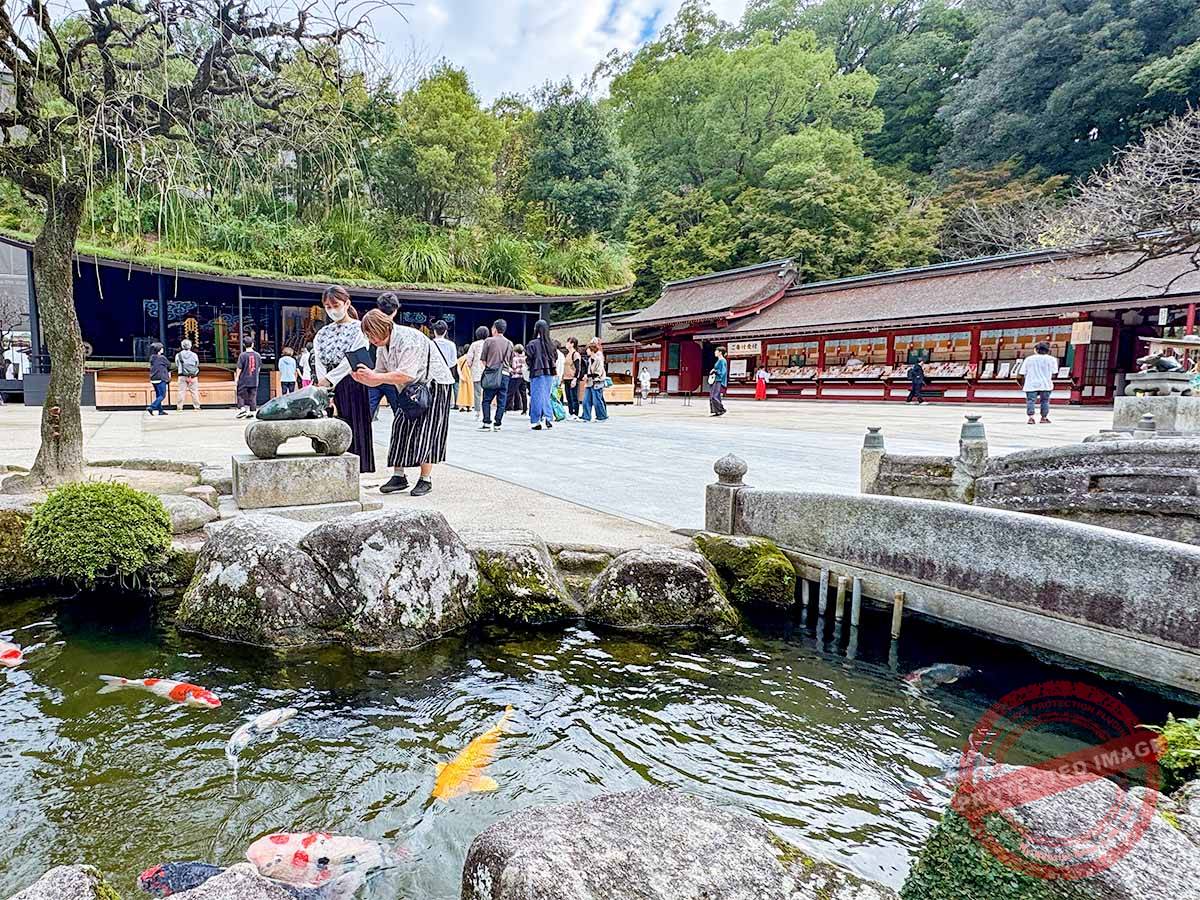
The grounds are home to over 6,000 plum trees (ume) of 197 varieties, including the legendary “Tobiume” (Flying Plum Tree) that is said to have followed Michizane from Kyoto. Visitors can explore the Kyoshinden (Museum), which displays a sophisticated collection of historical artifacts, calligraphy, and treasures related to the Sugawara clan. Surrounding the precinct are traditional “Umegae Mochi” stalls, offering toasted rice cakes stamped with a plum blossom motif, a specialty directly tied to the shrine’s history. Additionally, a large pond shaped like the kanji character for “heart” (kokoro) is designed to foster a sense of internal clarity and spiritual focus.
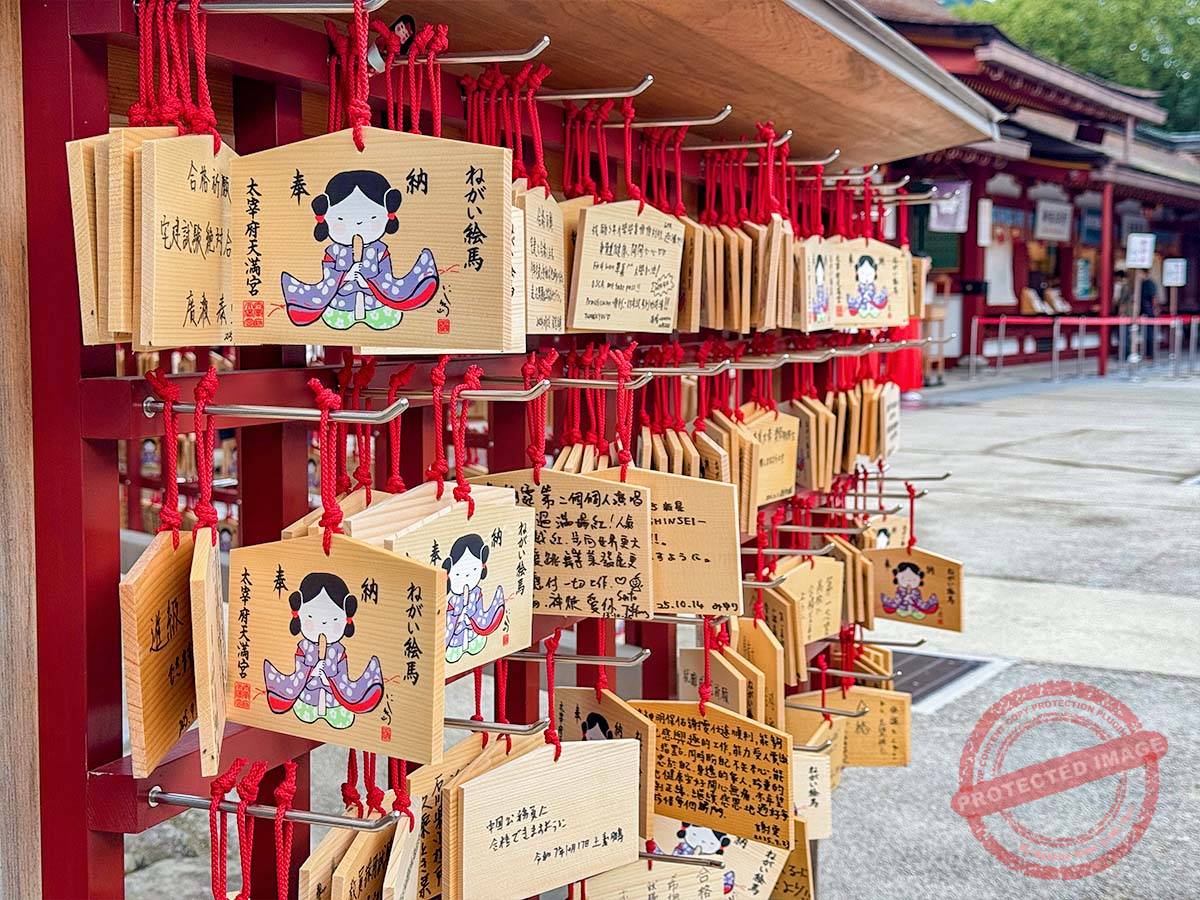
The atmosphere of the shrine is one of composed reverence and academic aspiration, particularly during the winter plum blossom season and exam periods. It remains an authoritative destination for those seeking to understand the intersection of Japanese history, education, and natural aesthetics. |