
Myoban no Sato
| Discover the rustic beauty of Myoban no Sato, a living heritage site where the ancient craft of “yunohana” (bath salts) production is preserved through distinctive thatched-roof architecture. |
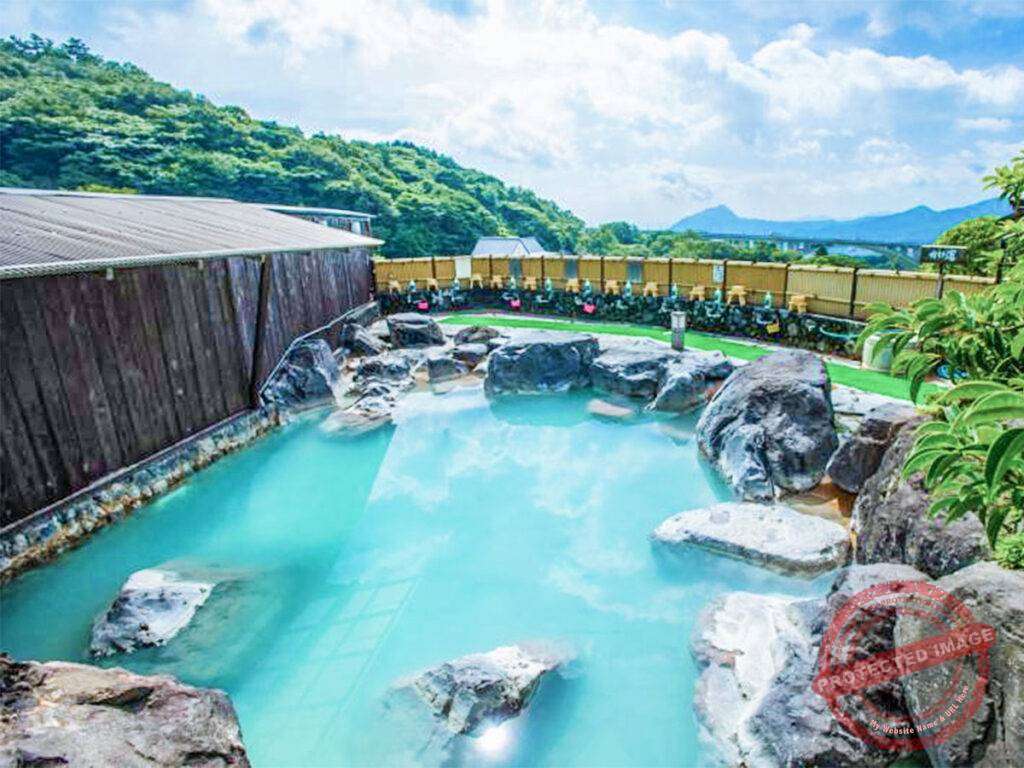
The area is architecturally defined by the “yunohana-goya”, unique huts constructed with thick straw thatch. This design is not merely aesthetic; the specific insulation properties of the thatch allow for the precise control of temperature and humidity inside. This creates an environment where mineral-rich steam from the geothermal earth can crystallize into high-quality alum and medicinal bath salts over several months. The craftsmanship involved in maintaining these huts is a rare skill, utilizing local grasses and timber to create a functional industrial space that has remained largely unchanged since the Edo period. The significance of Myoban no Sato lies in its recognition as a National Important Intangible Folk Cultural Property. It offers an authoritative perspective on the relationship between Beppu’s volcanic activity and its traditional chemical industries. The mineral-heavy atmosphere, characterized by a distinct sulfur scent and billowing white steam, grounds the site in its natural geothermal context. Beyond production, the site features traditional open-air baths (“rotenburo”) that utilize the very minerals harvested on-site, providing a direct experience of the region’s geological wealth. For the cultural traveler, Myoban no Sato presents an atmosphere of timeless industry and rural charm. The contrast between the stark white mineral crusts and the weathered brown thatch creates a visually poetic sense of place. It remains a vital destination for understanding how Japan’s hot-spring culture has fostered unique artisanal and scientific traditions that endure into the modern era. |