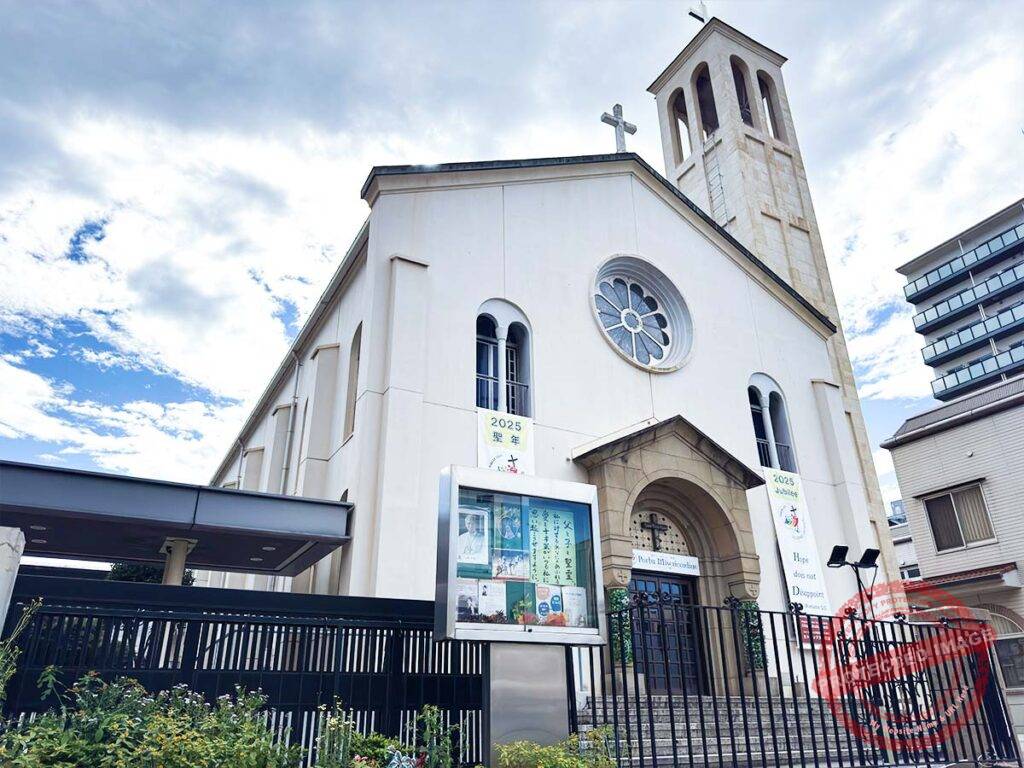
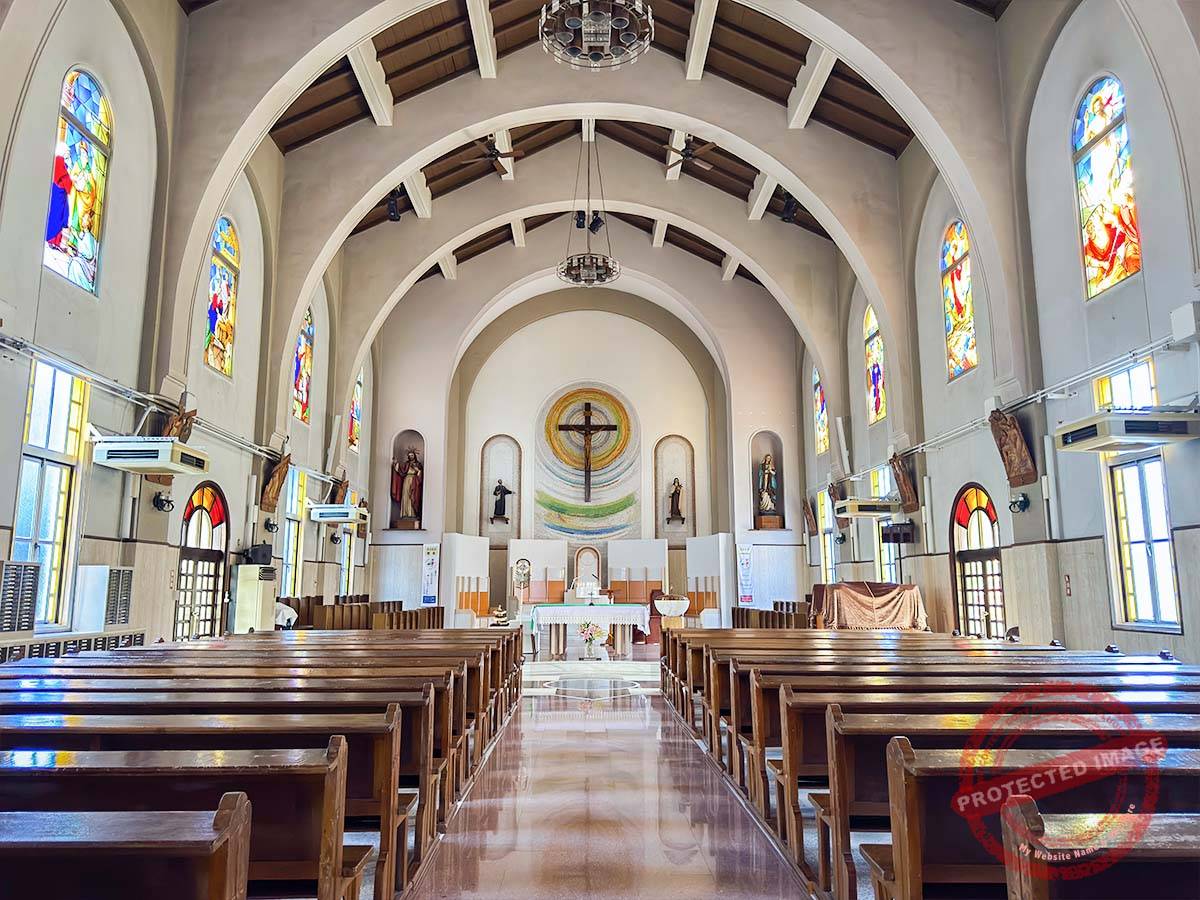
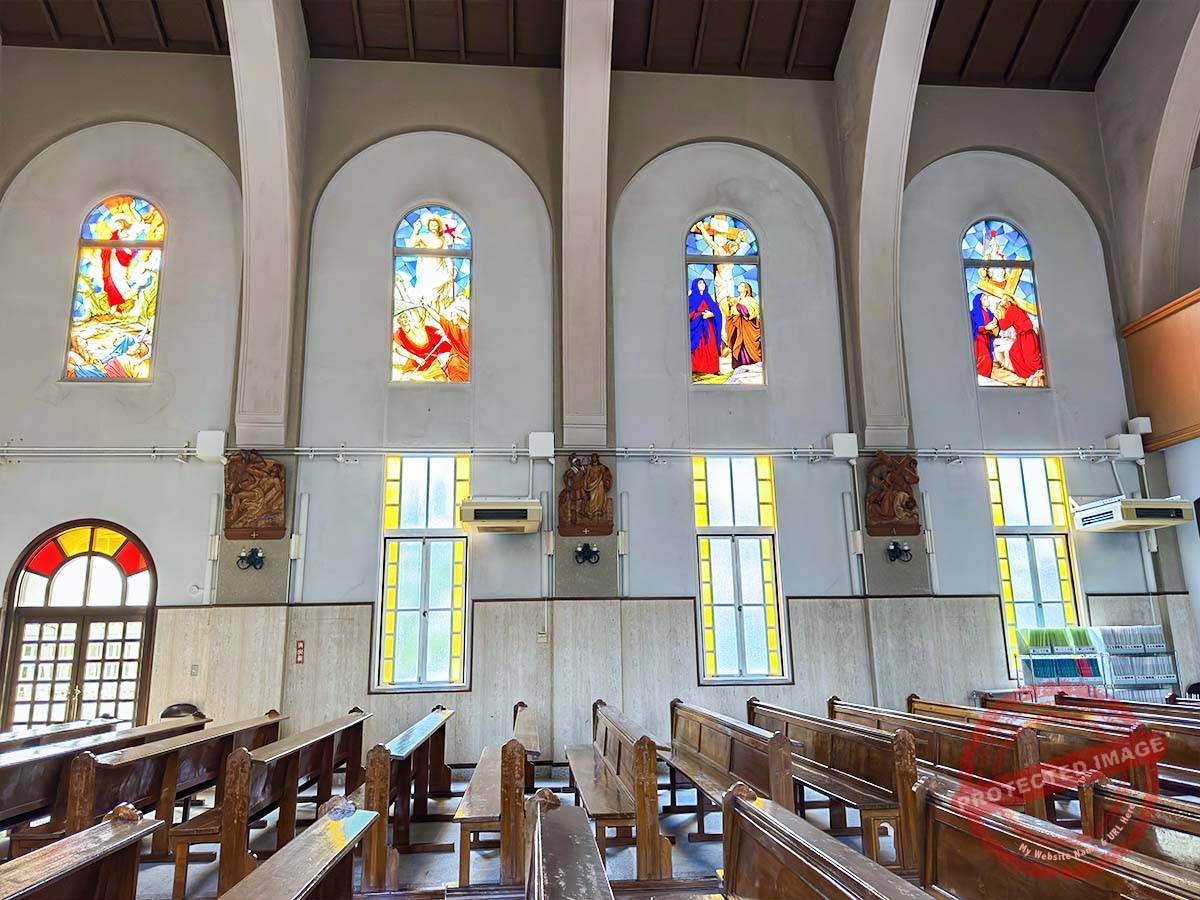
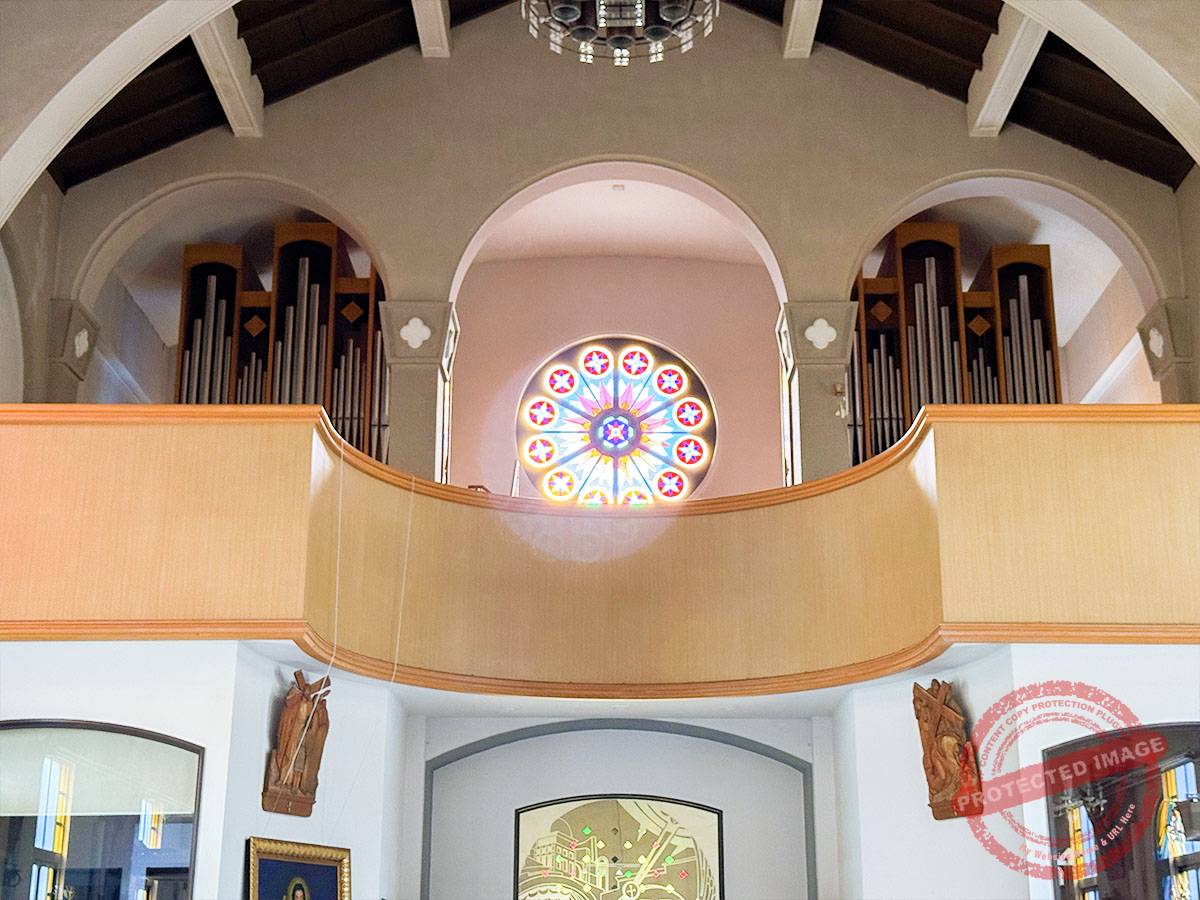
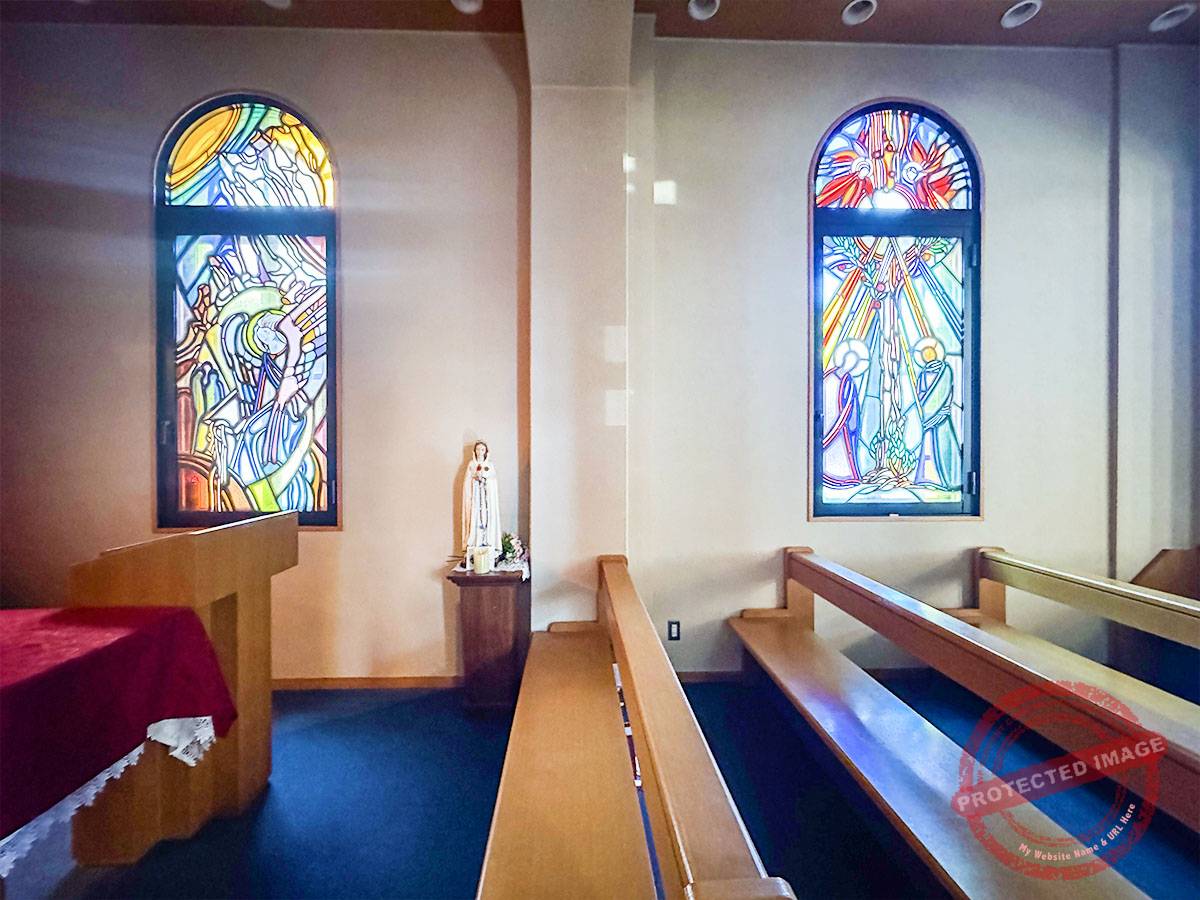
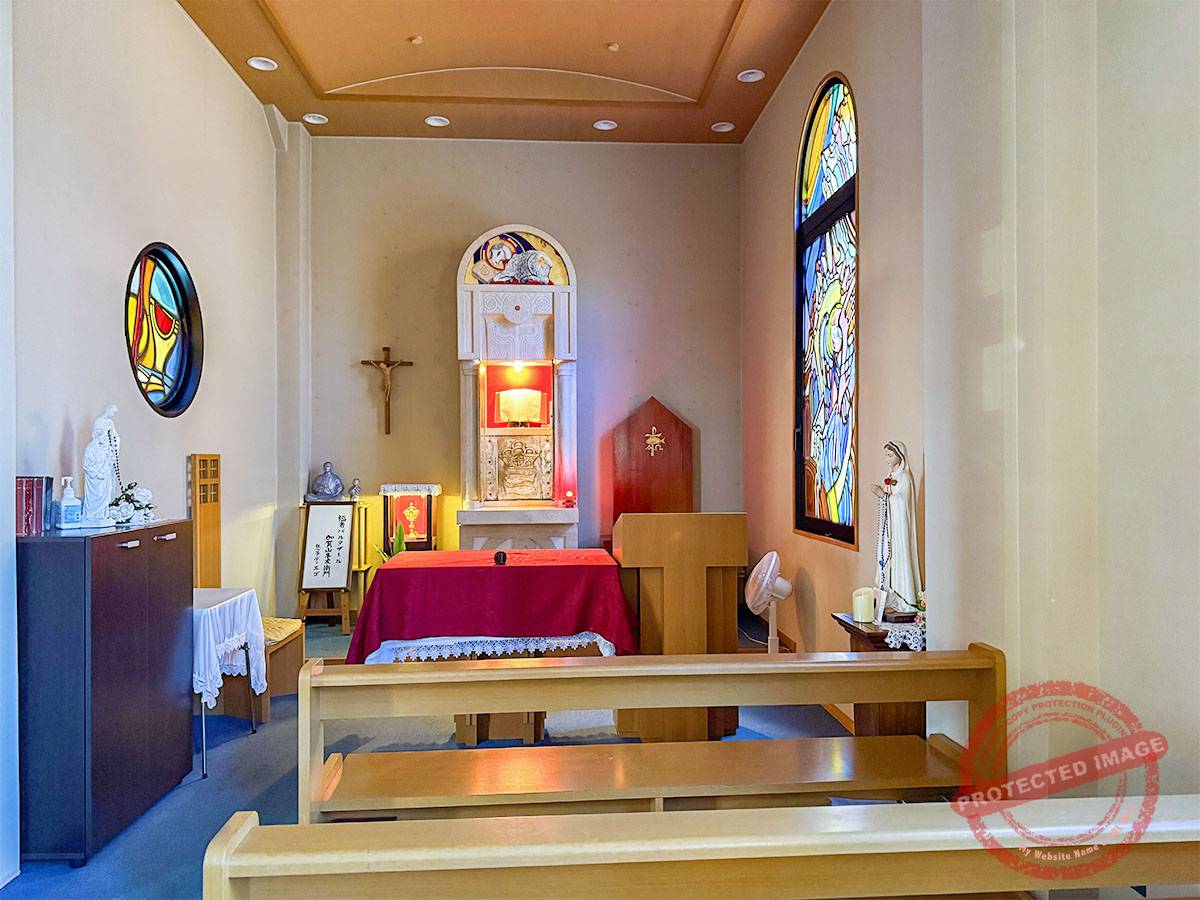
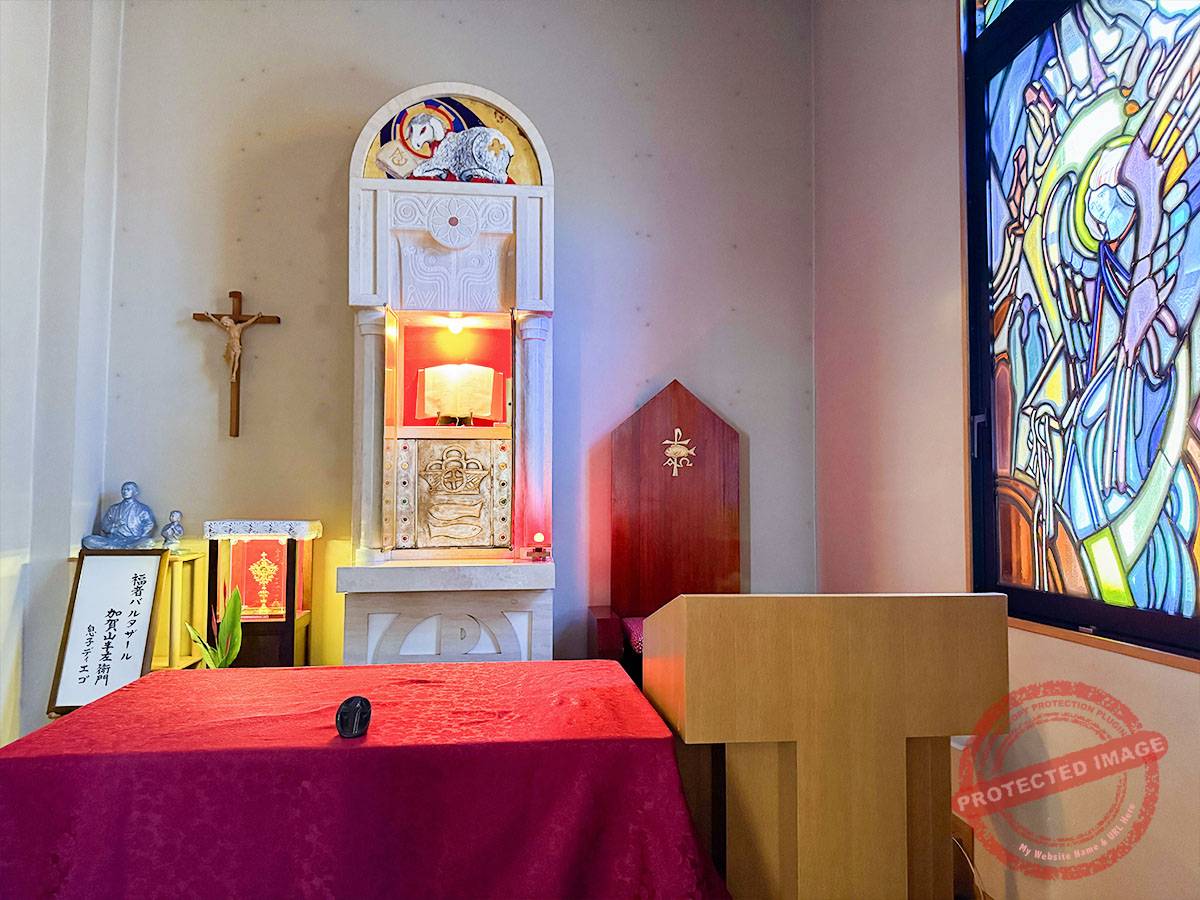
Completed in its current form to serve a growing regional community, the cathedral’s architecture is characterized by a refined modernist sensibility that emphasizes structural clarity and monumental presence. The design utilizes expansive interior volumes and a clean, geometric facade to create a sense of dignified permanence. Unlike the ornate Gothic structures of the previous century, this diocesan center reflects the mid-20th-century movement toward functional elegance, utilizing high-quality concrete and stone to withstand the coastal environment while maintaining a reverent atmosphere. The craftsmanship is evident in the precise alignment of the nave and the strategic use of light to define the liturgical space.
The significance of the site lies in its role as the administrative and spiritual heart of the Oita Prefecture, a region with a profound history of early European contact. The cathedral serves as a living link to the 16th-century mission of the Jesuits, who established a flourishing center of Western learning and medicine in this area. Within its walls, the cathedral preserves a sense of historical continuity, grounding the contemporary community in a narrative of resilience and global exchange. It offers an authoritative perspective on the organization and stability of the Church in modern Japan.
For the cultural traveler, the cathedral provides a composed and intellectual atmosphere. It is a place that highlights the mature development of regional identity, where international traditions have been seamlessly integrated into the civic fabric of Oita. The site remains a vital point of interest for those seeking to understand the enduring influence of the early Christian missions on the social and educational landscape of the city. |