Nishizaka Park occupies a somber and significant place in Japan’s heritage, marking the site where twenty-six individuals were executed on February 5, 1597. The location was reportedly selected at the request of the martyrs themselves, who saw in the hill’s topography a resemblance to Golgotha. This event initiated a period of profound trial for the Catholic community in Japan, and the hill remained a site of recorded martyrdom for many years following the initial executions.
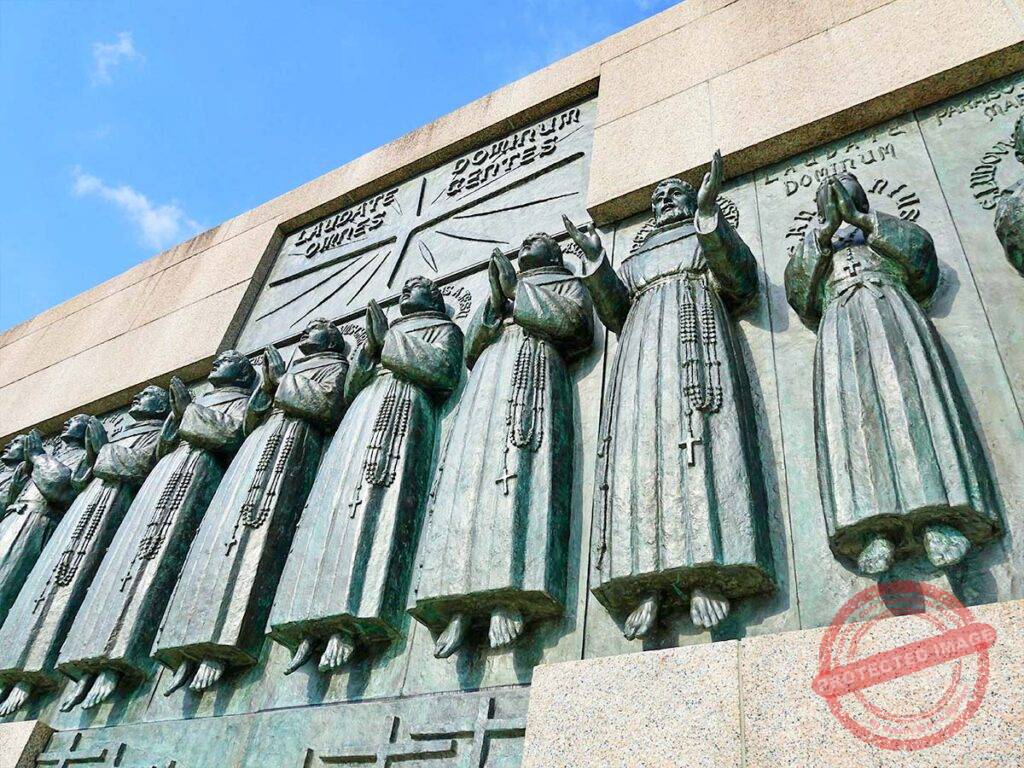
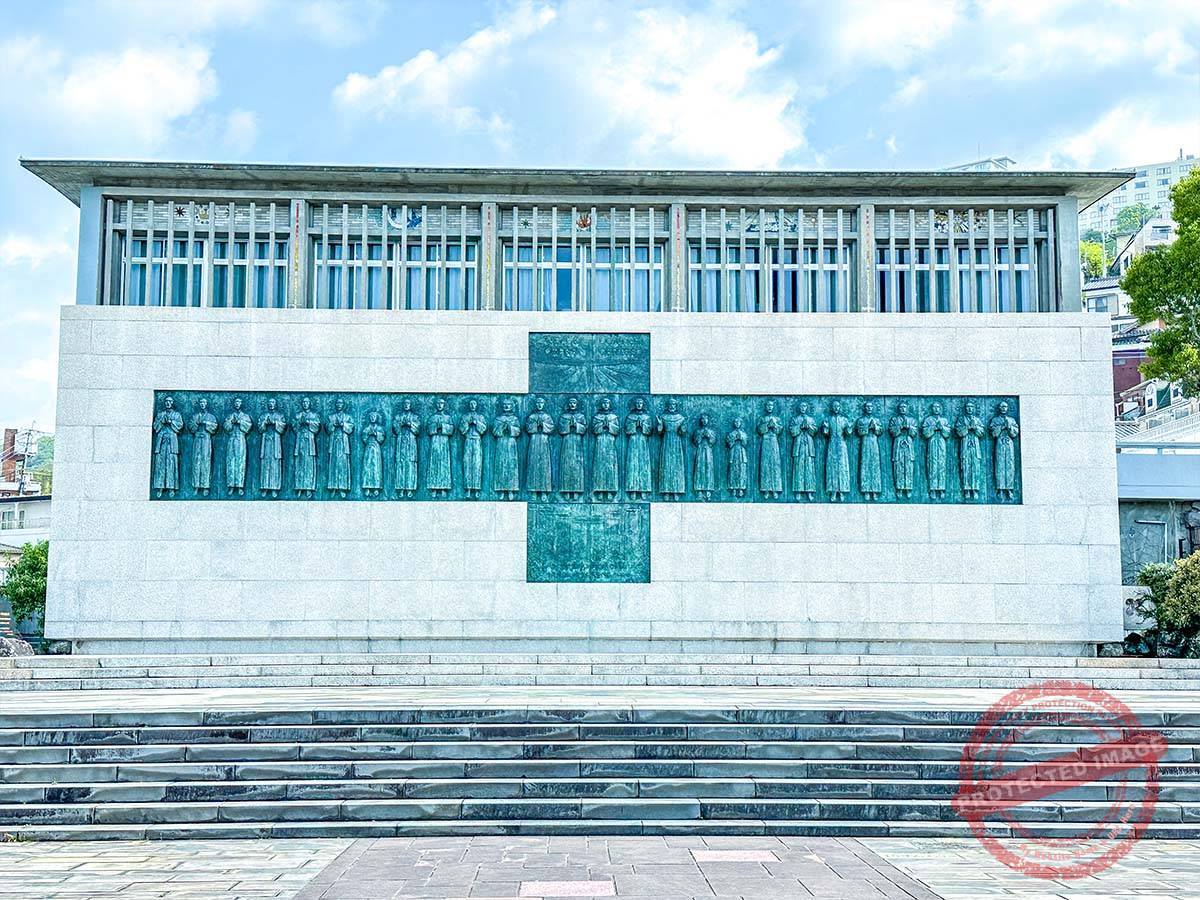
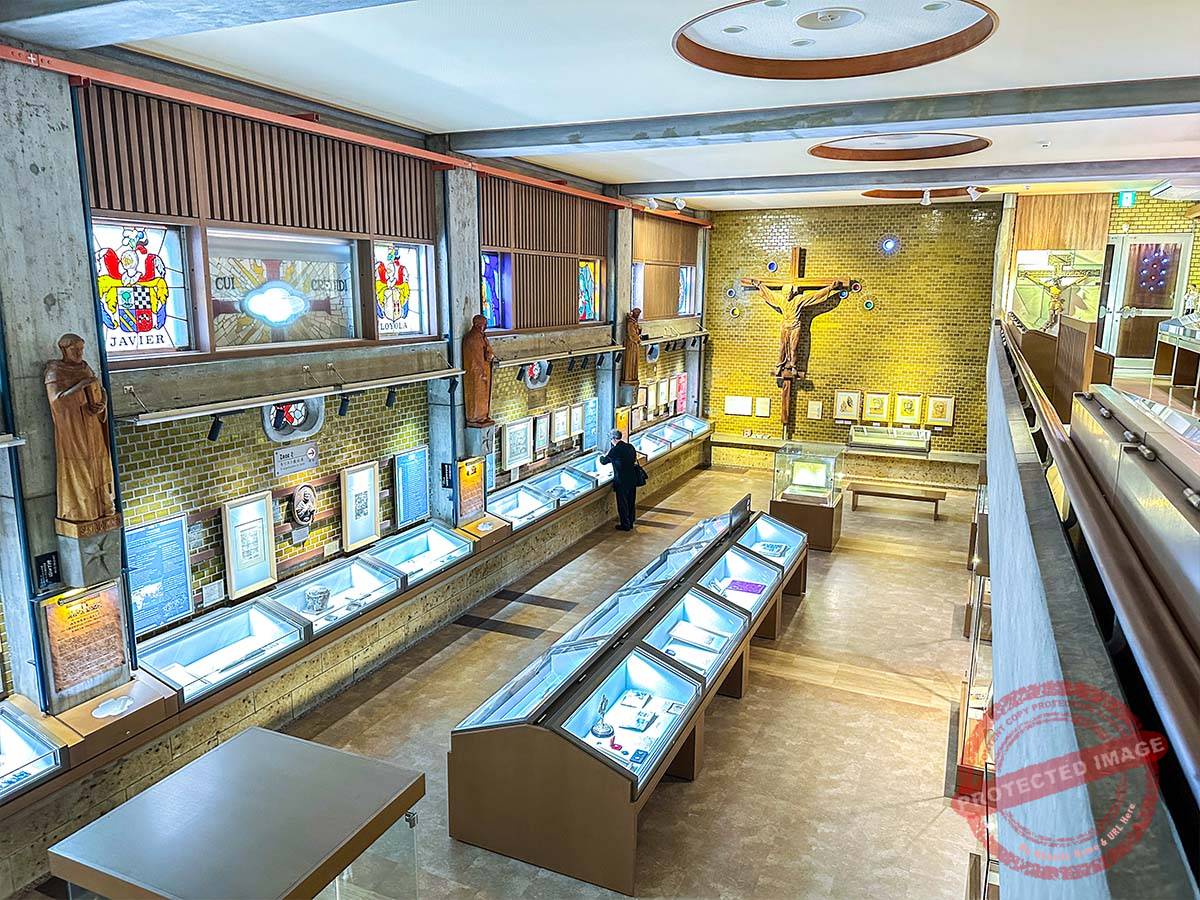
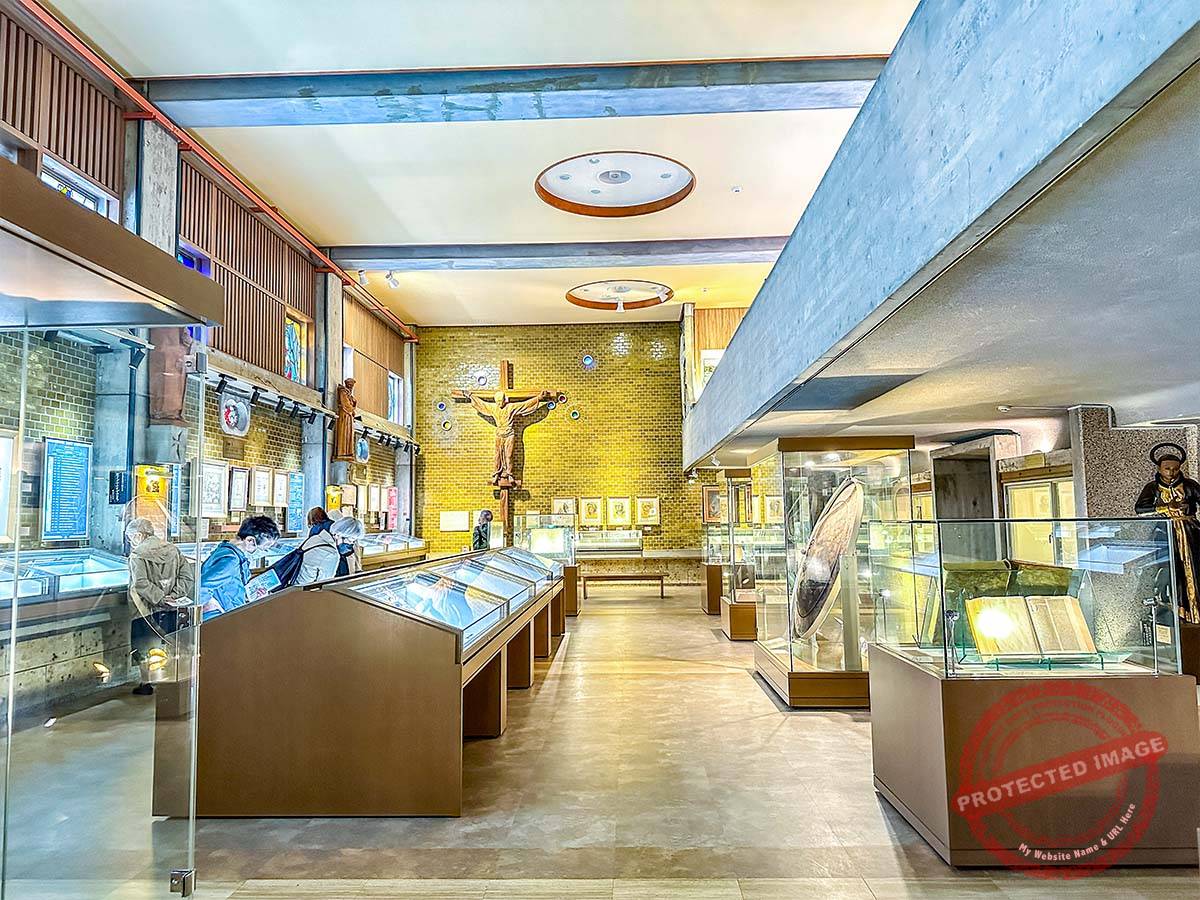
The site’s transition from a place of tragedy to one of international cultural significance was formalized in 1950 when Pope Pius XII designated Nishizaka as an official site of pilgrimage. Its architectural and artistic identity was further defined in 1962, the centenary of the martyrs’ canonization. At this time, a commemorative monument was unveiled, featuring life-sized bronze reliefs designed by the sculptor Yasutake Funakoshi. Adjacent to the monument, a museum preserves historical documents and artifacts that detail the enduring presence of the Christian faith in the region during centuries of prohibition.
The park maintains a restrained and contemplative atmosphere, characterized by its understated design and commanding views of the city. Its global importance was reaffirmed in 2019 during the visit of Pope Francis, who honored the site’s legacy of continuity and peace. For the heritage traveler, Nishizaka Park offers an authoritative look at the complexities of Japan’s religious history, standing as a testament to the preservation of cultural identity under pressure. |