|
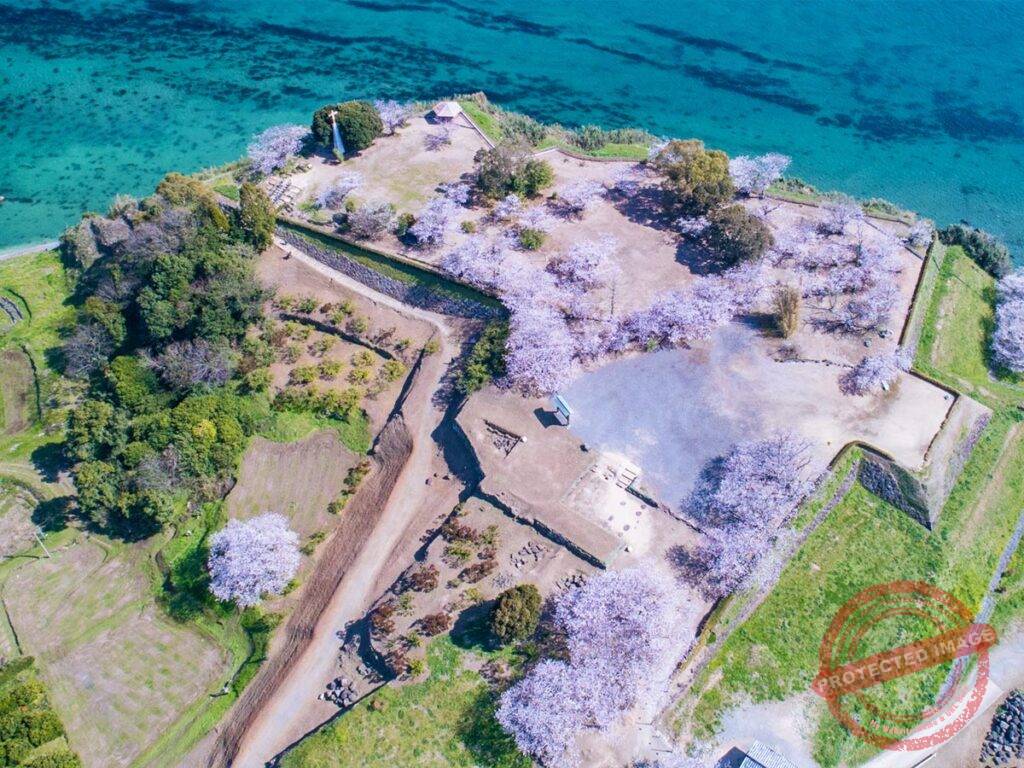
The Hara Castle Ruins stand as a silent, powerful witness to the intersection of feudal Japanese fortification and the enduring resilience of faith. Originally established in 1496 by the daimyo Arima Takazumi, the stronghold was strategically positioned on a coastal plateau formed by ancient volcanic activity. Encircled on three sides by the Ariake Sea, the fortress was so architecturally striking it was once referred to as “Higurashi Castle”, a name suggesting one could gaze upon it until sunset without tiring.
The site’s historical gravity shifted significantly in 1637 during the Shimabara-Amakusa Rebellion. Following the abandonment of the castle under the “One Castle per Province” edict, the ruins became the final defensive perimeter for thousands of Christians seeking to preserve their cultural and religious identity. This period of conflict transformed the stone ramparts into a symbol of historical continuity and European Catholic influence in East Asia.
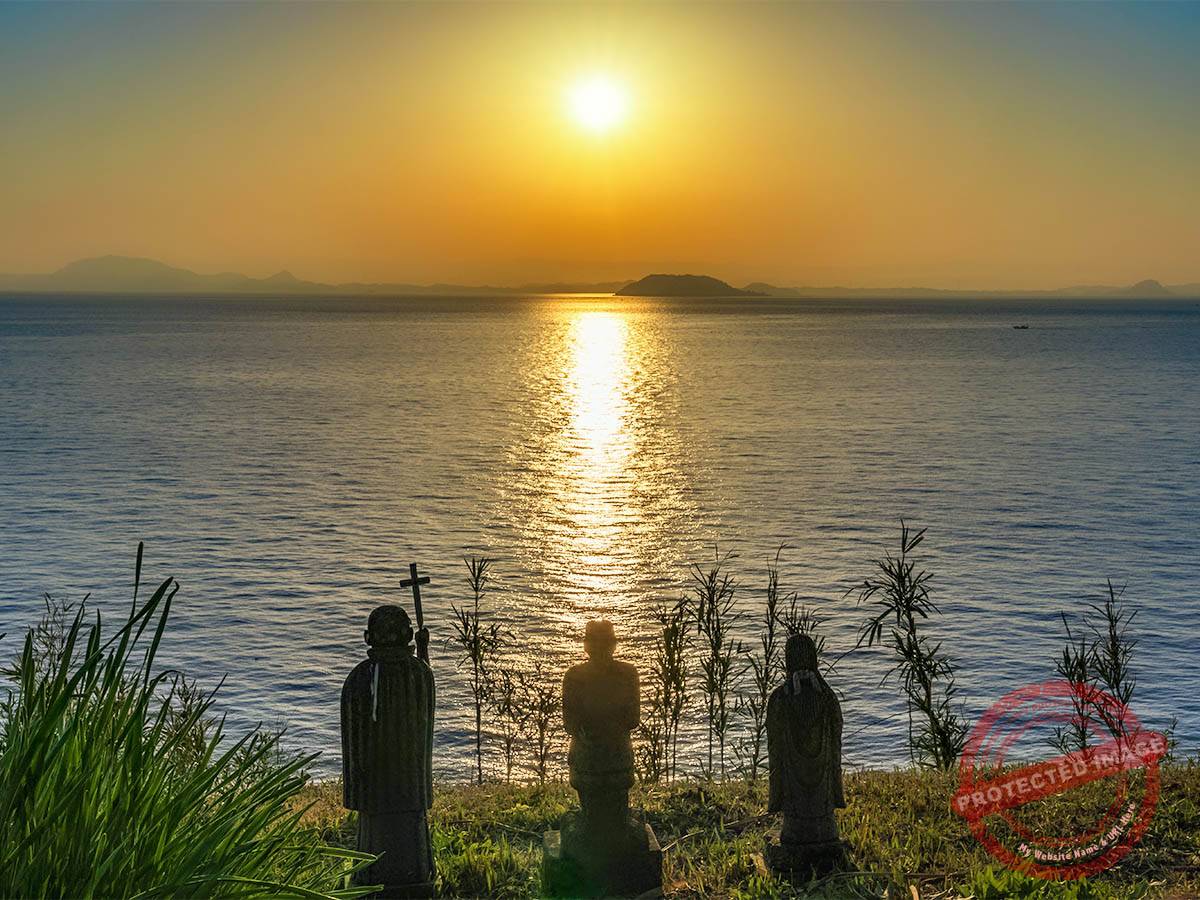
Today, the site is recognized as a component of the UNESCO World Heritage “Hidden Christian Sites in the Nagasaki Region”. Visitors will find a landscape defined by dignity and geological rarity, featuring white pumice layers distinct from the surrounding terrain. The presence of the Amakusa Shiro statue, crafted by sculptor Kitamura Seibo, provides a focal point for reflection on the site’s deep-rooted heritage and its permanent place in the global narrative of religious freedom.
|