The Otometoge St. Mary Chapel stands as a poignant memorial to the endurance of the “hidden Christians”, serving as a dignified site of reflection within the quiet forests of Tsuwano.
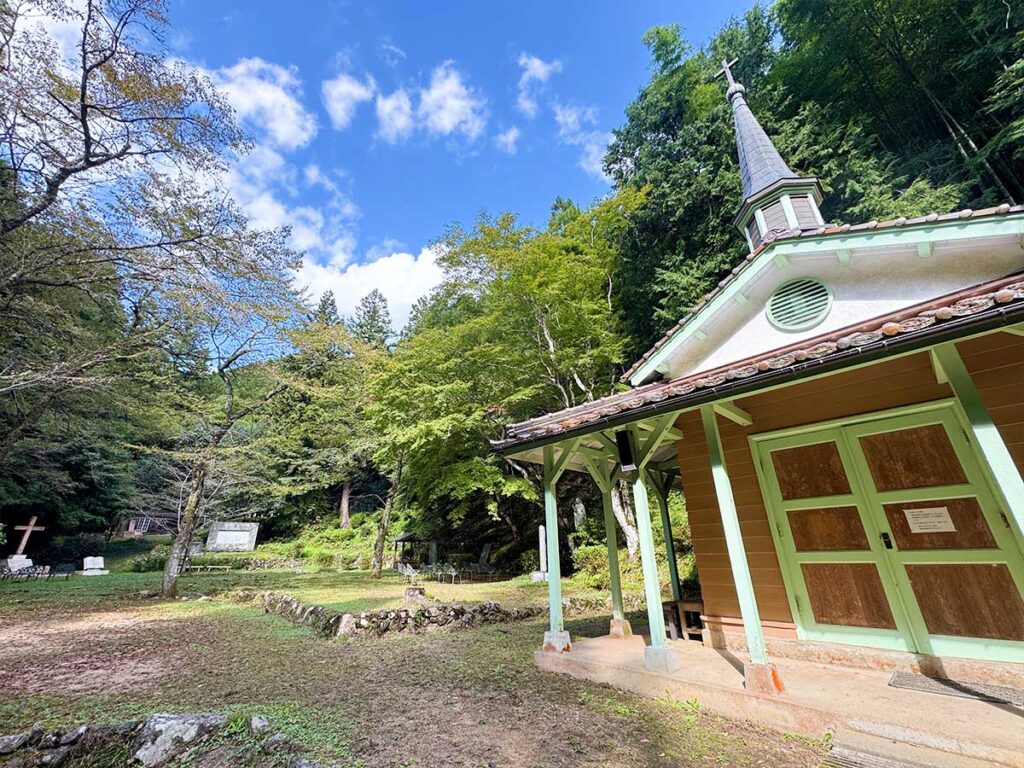
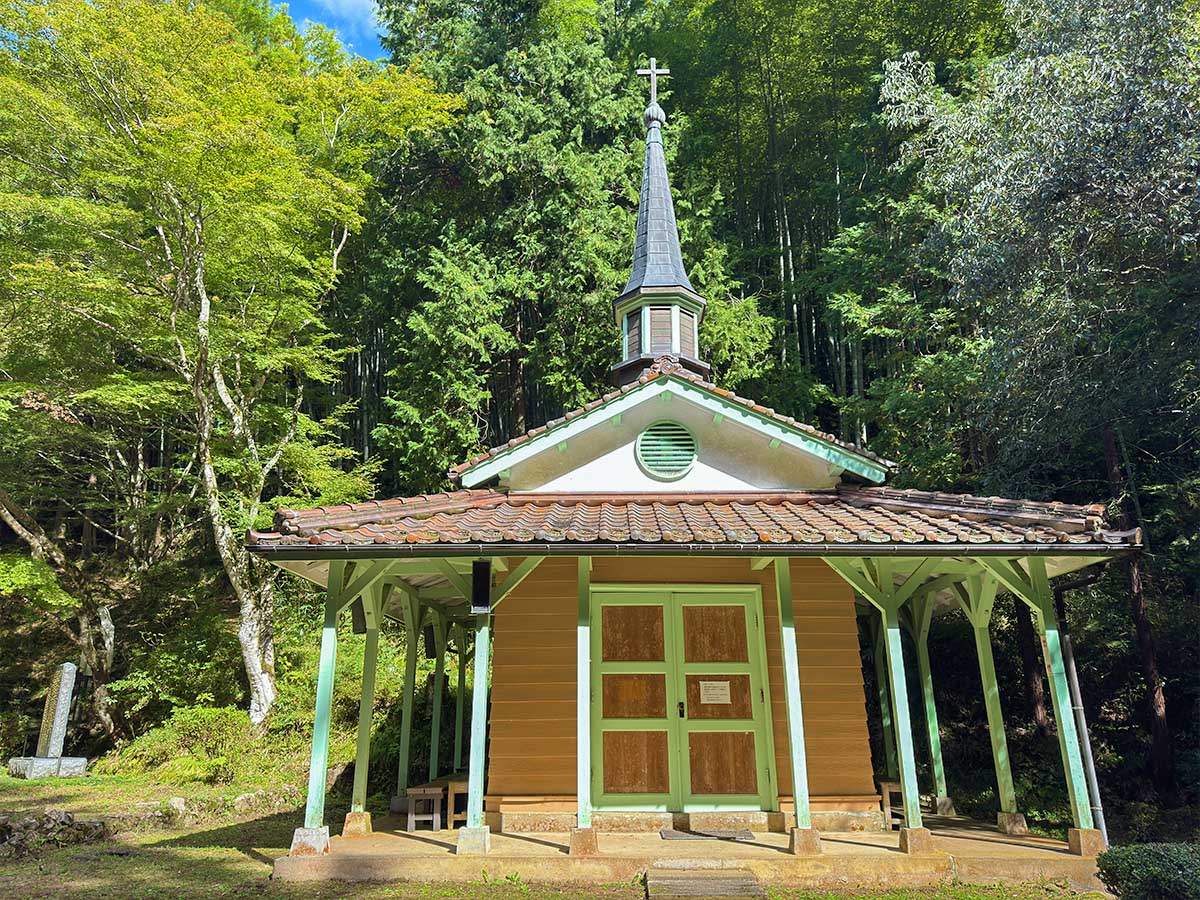
Completed in 1951, the current chapel was established on the site of a former isolation camp where proscribed Christians from Nagasaki were exiled during the final years of the Edo period. The architecture is characterized by its simple white facade and traditional wooden frame, a design that emphasizes humility and historical continuity over decorative grandeur. The structure’s restrained aesthetic is typical of mid-century Japanese ecclesiastical buildings, intended to harmonize with the surrounding mountain landscape rather than dominate it. The craftsmanship is modest but precise, utilizing local materials to create a sanctuary that respects the gravity of its history.
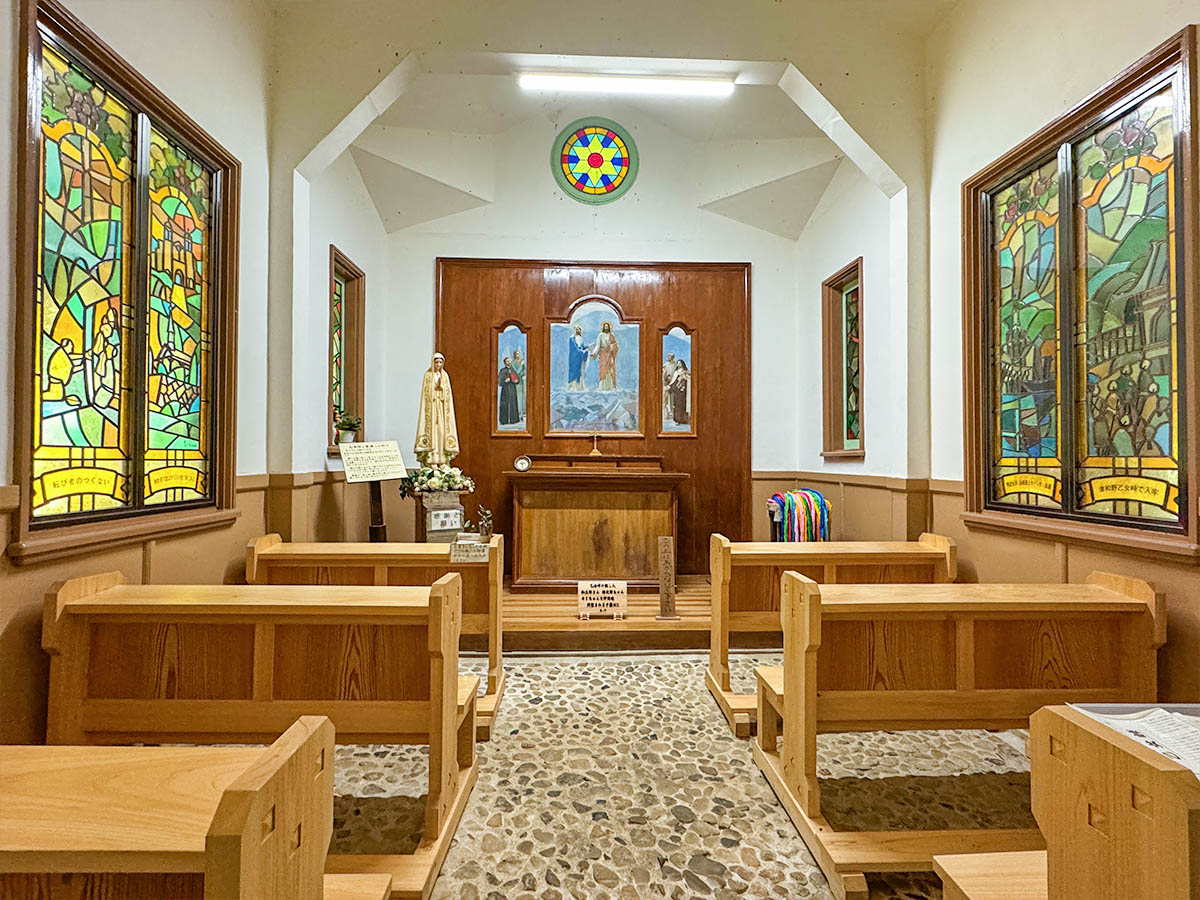
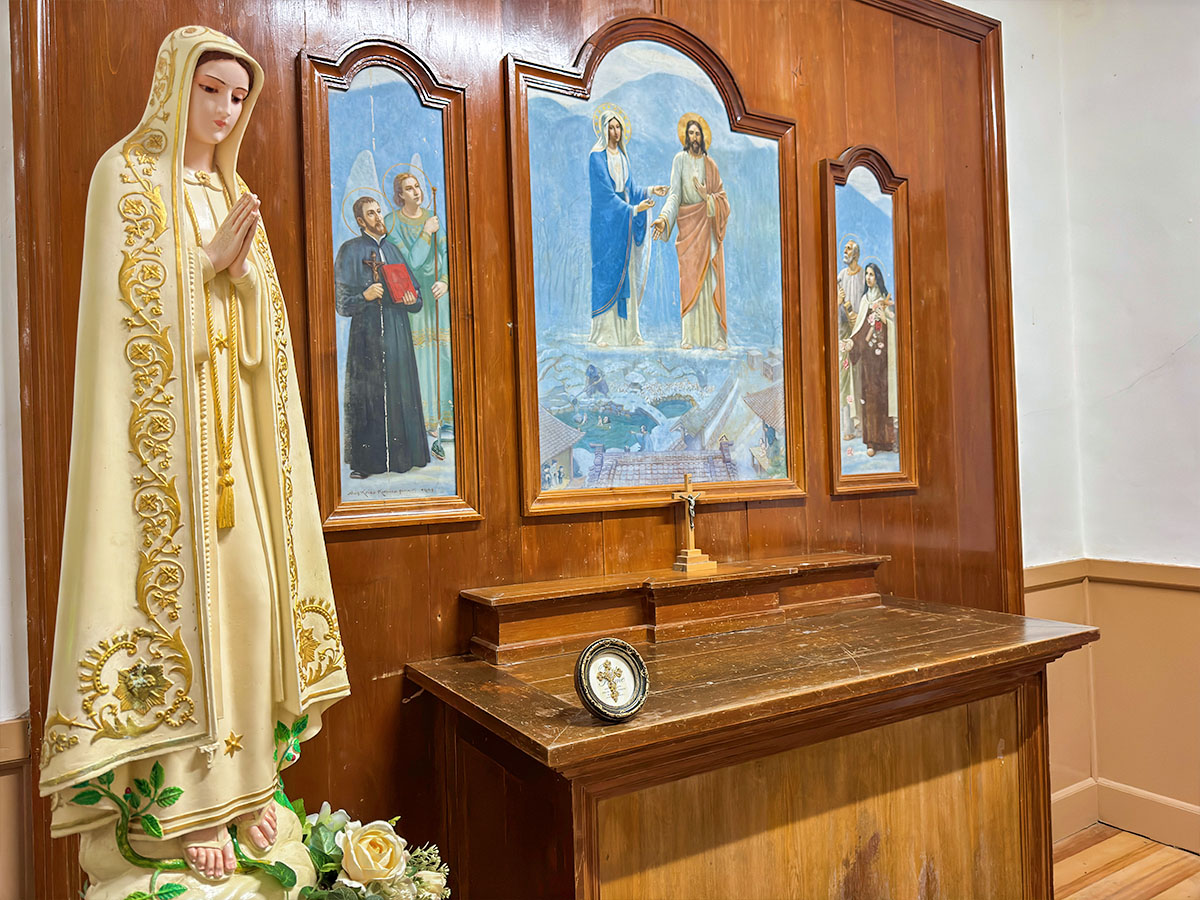
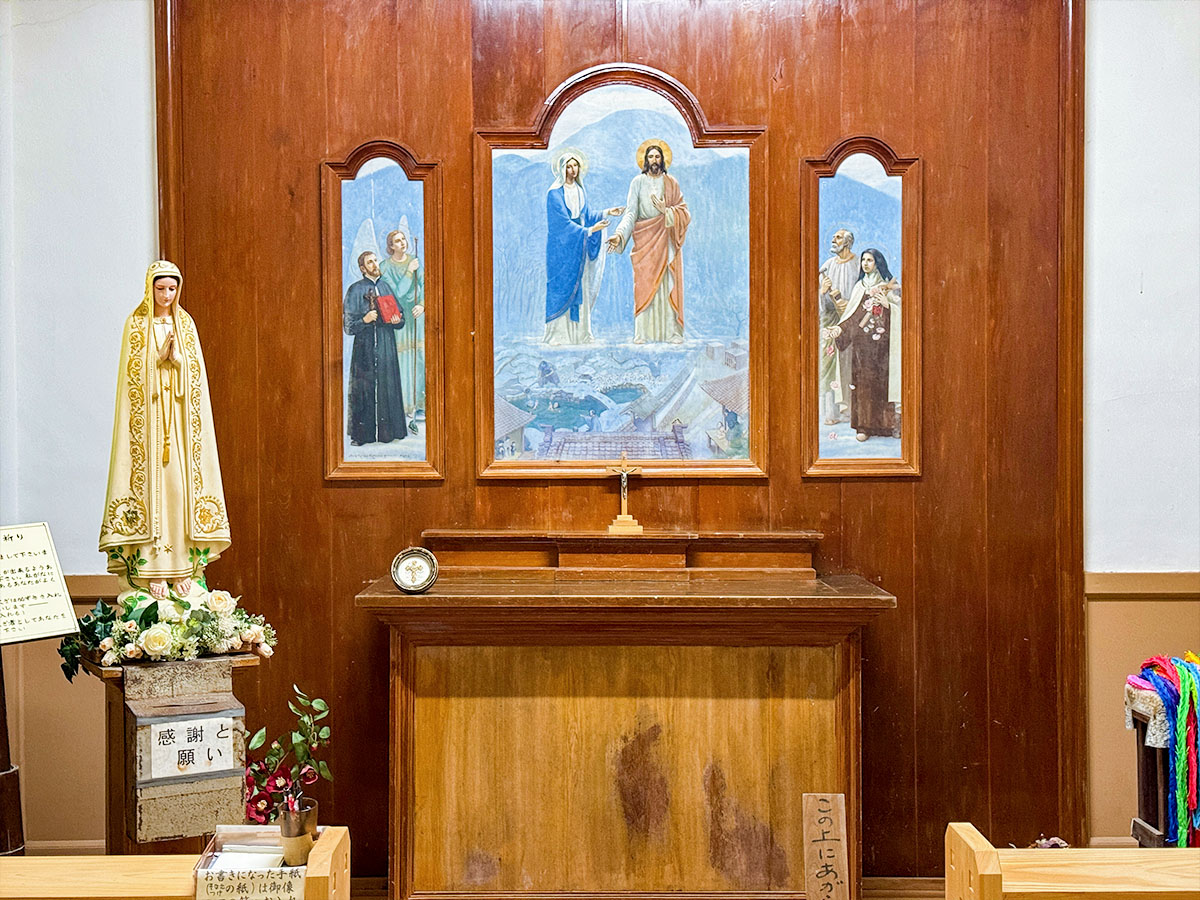
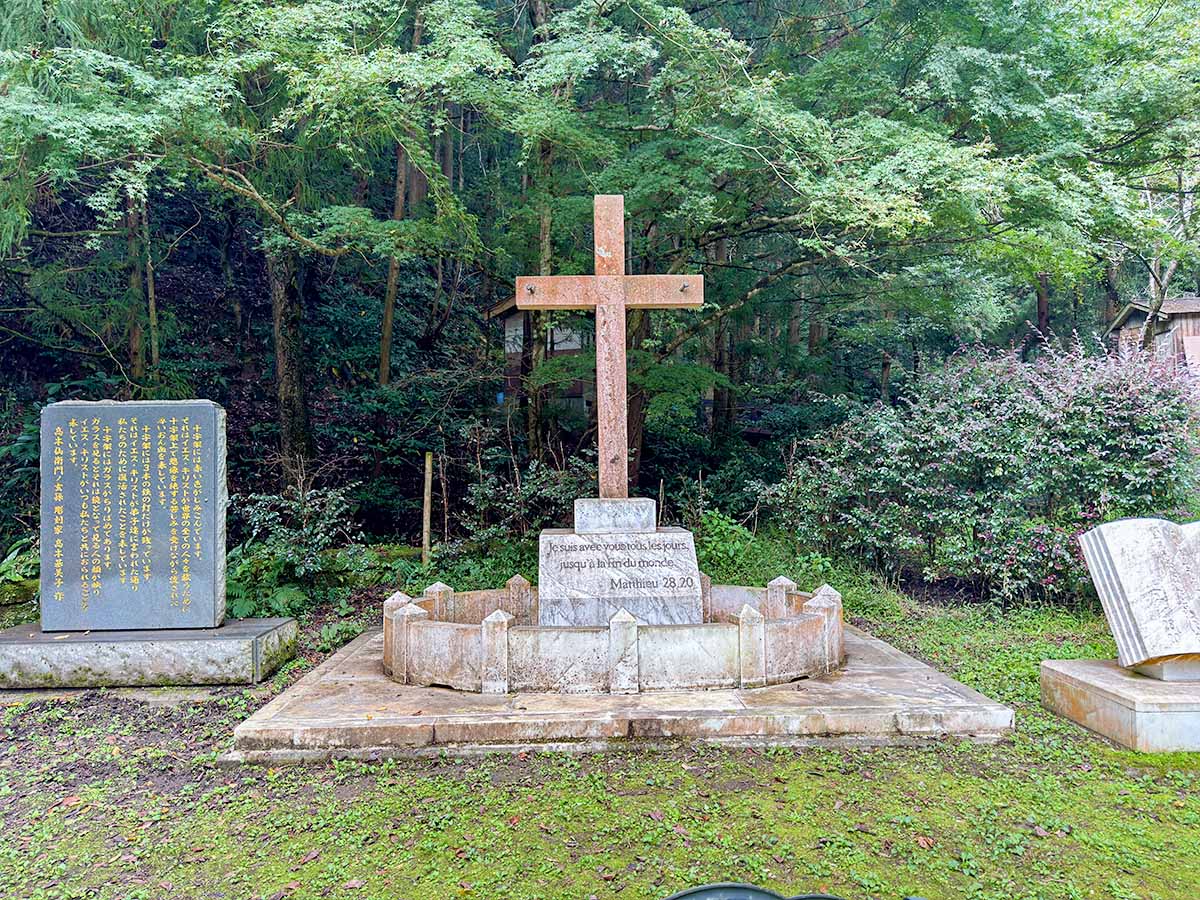
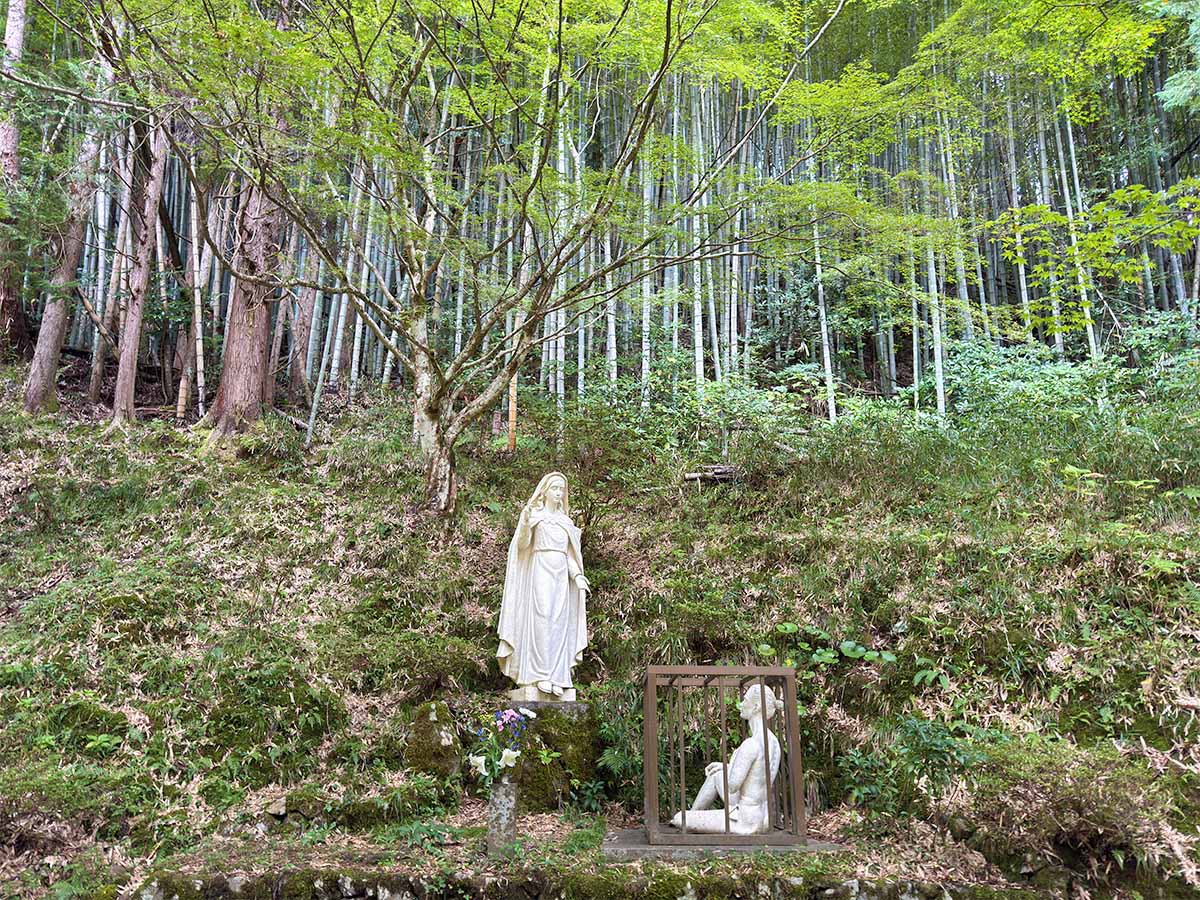
The interior of the chapel features vibrant stained-glass windows that vividly illustrate the narrative of the exiles, providing a visual record of their resilience. The significance of the site lies in its status as a place of modern pilgrimage, marking a transition from a period of religious prohibition to one of cultural reconciliation. The chapel is situated within a peaceful woodland clearing, where the natural character of the site complements the somber historical context.
For the international traveler, Otometoge offers an authoritative and moving perspective on the regional identity of Tsuwano. The atmosphere is one of profound stillness, providing a sense of place that is deeply rooted in the authentic history of Japan’s early modern era. It remains a vital cultural landmark, preserving the memory of a community that maintained its traditions with quiet determination.