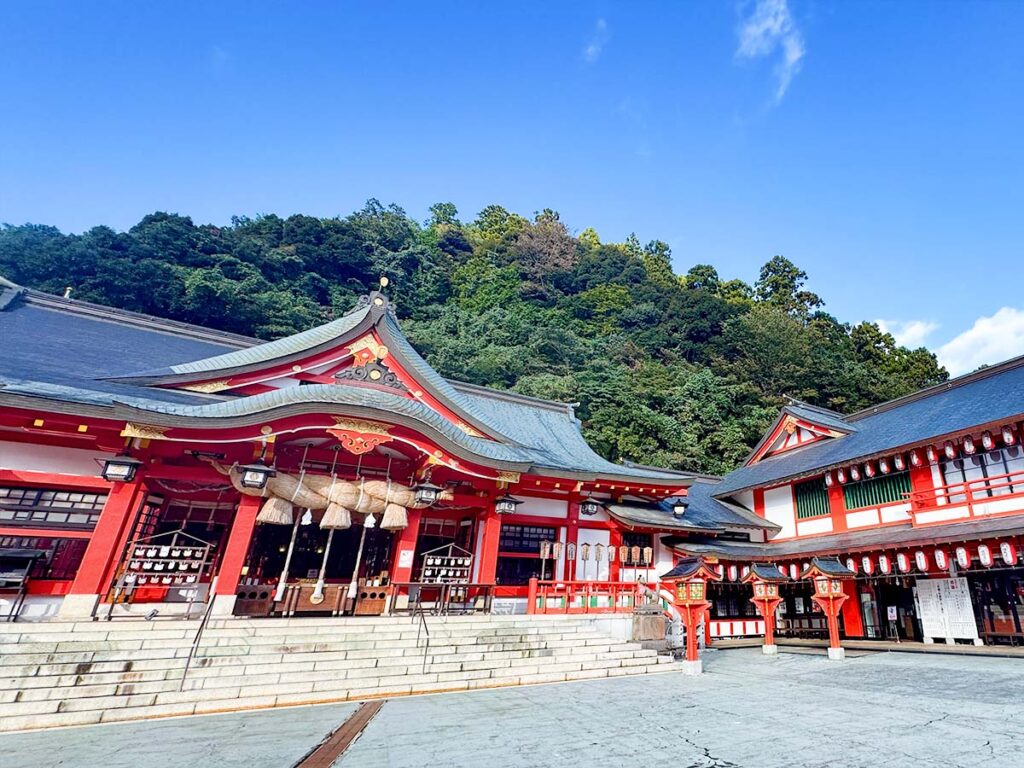
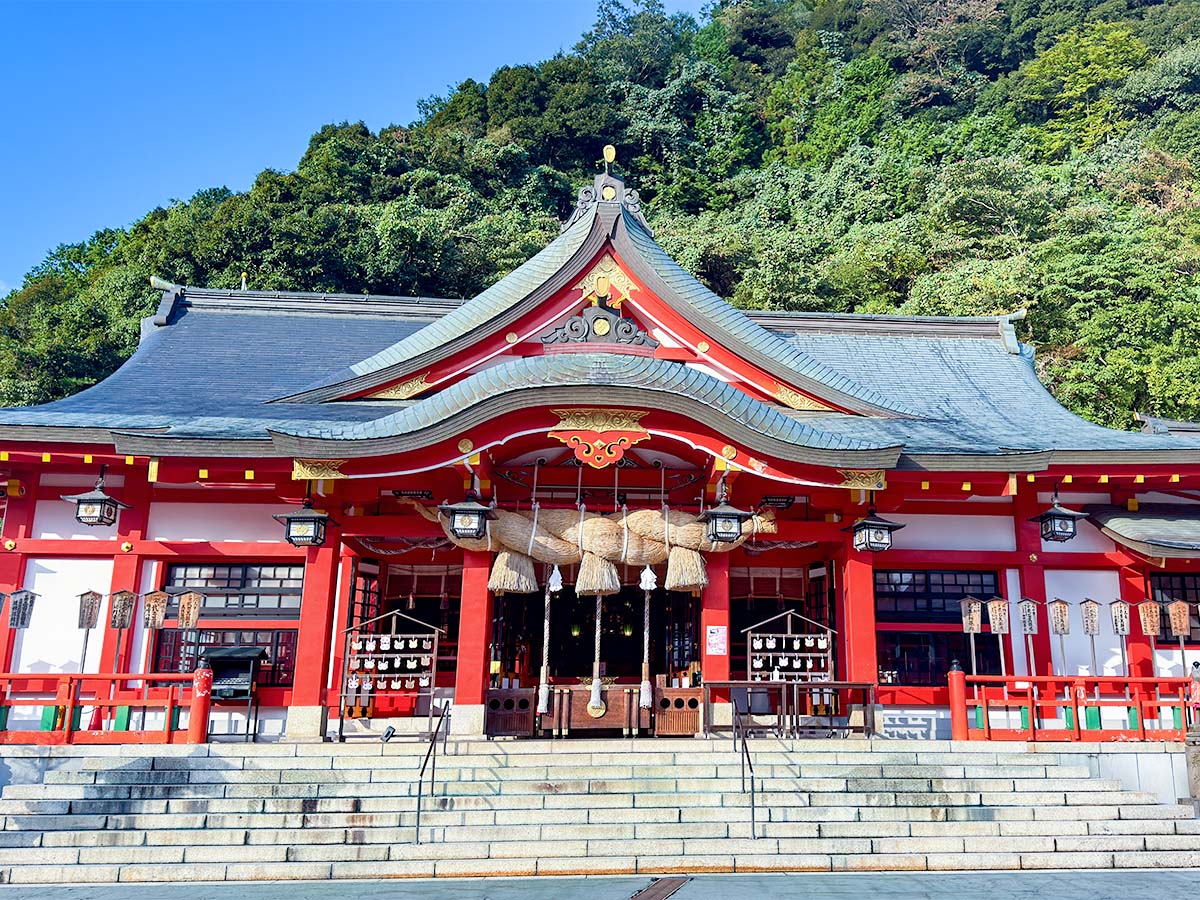
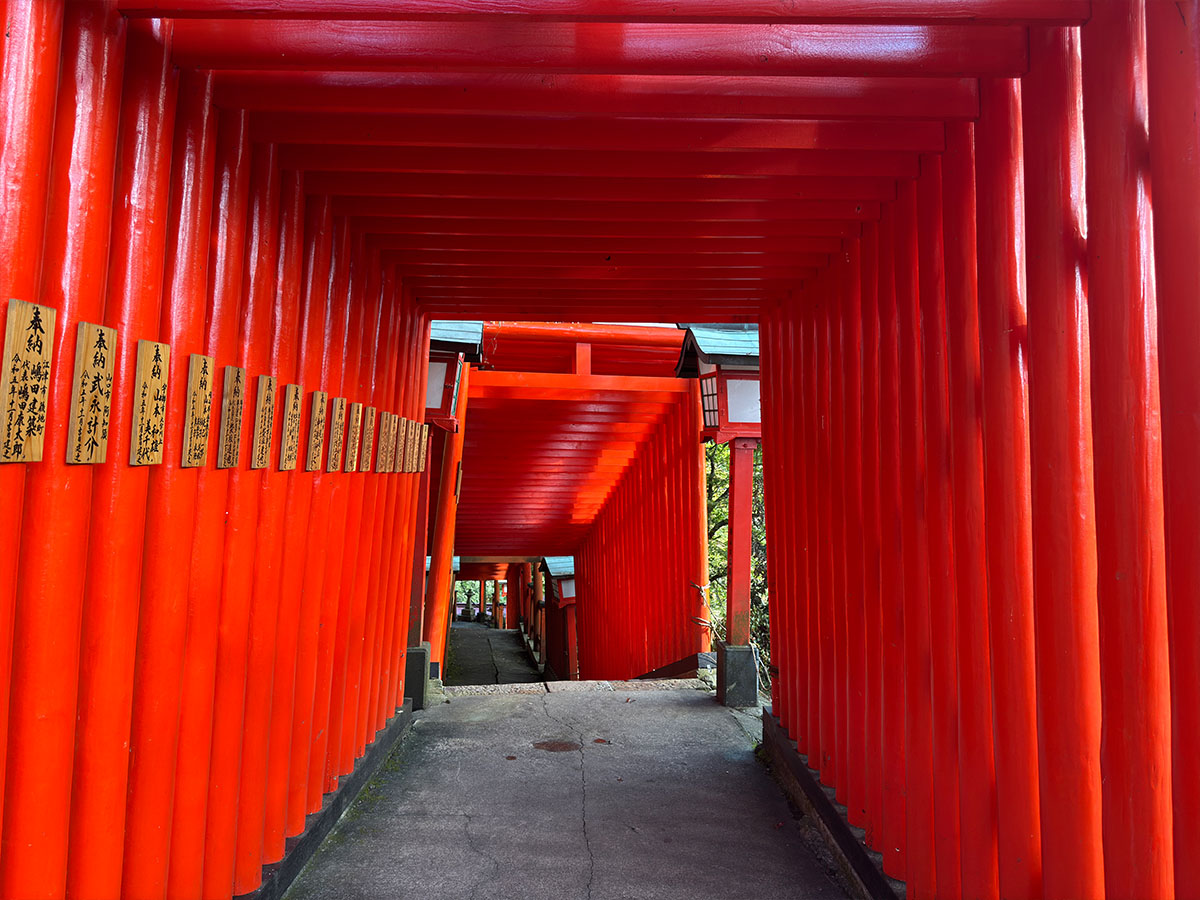
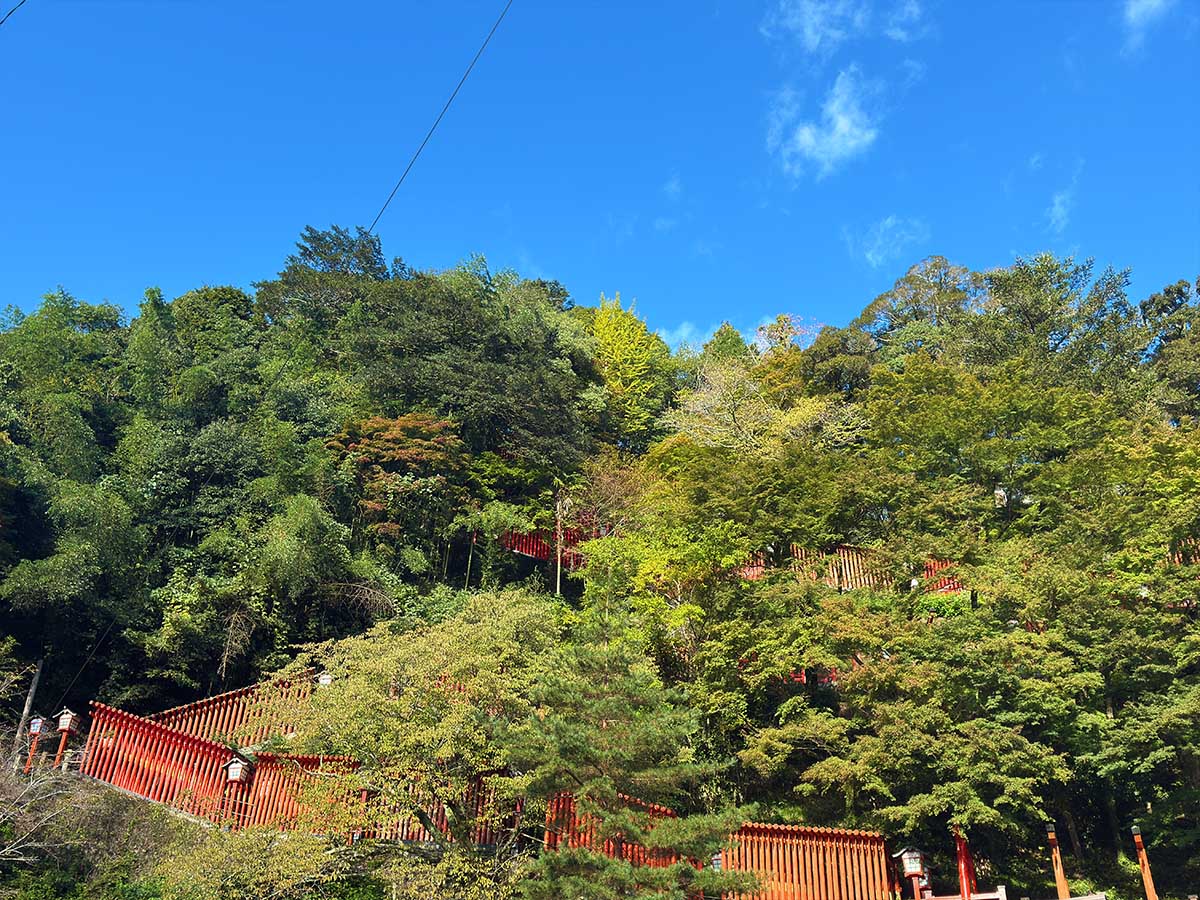
A preeminent landmark of the San’in region, the Taikodani Inari Shrine is recognized as one of Japan’s five most significant Inari sanctuaries, distinguished by its commanding hillside presence.
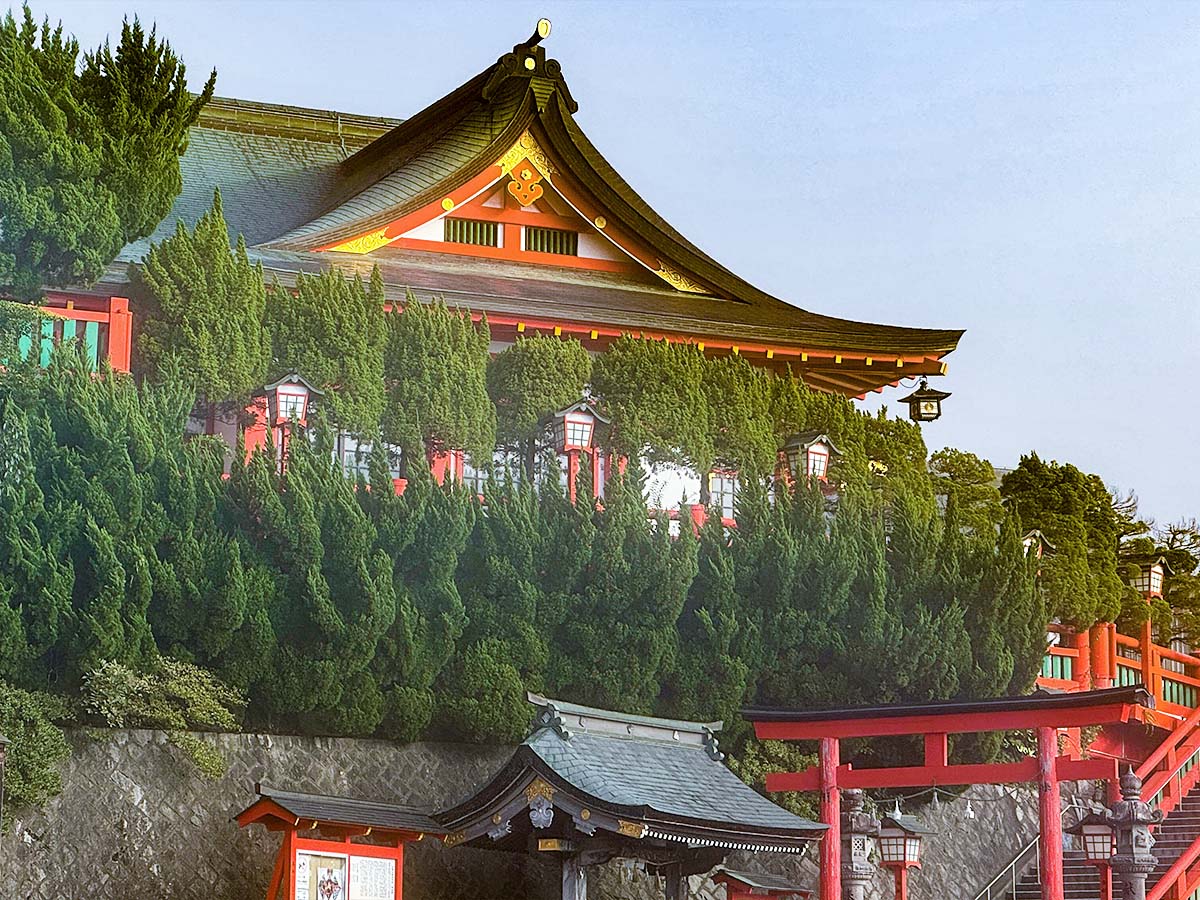
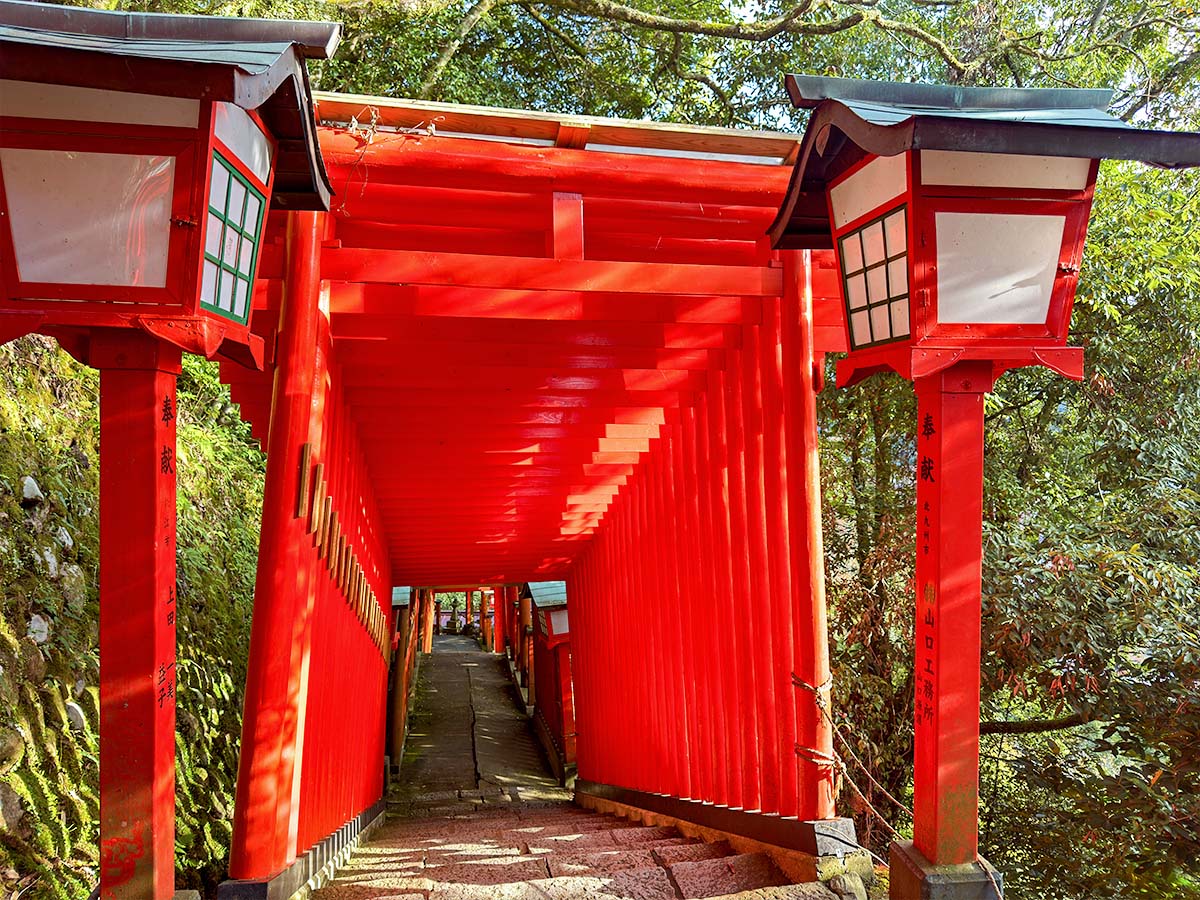
Established in 1773 by the seventh lord of the Tsuwano Domain, Kamei Norisada, the shrine was originally built as a site of prayer for the protection of the castle and the prosperity of the local people. The approach to the main sanctuary is defined by a remarkable “senbon torii” pathway, consisting of approximately 1,000 vivid vermilion gates that tunnel up the forested slope. This architectural feature creates a rhythmic and immersive transition from the town below to the sacred grounds above. The construction of the current main hall showcases the ornate craftsmanship of the Showa era, featuring intricate woodcarvings and expansive roofs that reflect the prestige of the Kamei legacy.
The significance of the shrine lies in its unique historical role as a site that was once accessible only to the ruling elite, later opening its gates to the general public. This transition mirrors the broader social evolution of the region. From its elevated vantage point, the shrine offers an authoritative panoramic view of the Tsuwano valley, allowing visitors to appreciate the town’s traditional layout and its relationship with the surrounding mountain landscape.
The site is particularly evocative during the autumn season, when the surrounding maple trees complement the vermilion architecture. The atmosphere is one of disciplined tradition and regional pride. It remains a vital cultural anchor for Tsuwano, providing a sense of continuity and a polished perspective on the spiritual heritage of the former castle town.