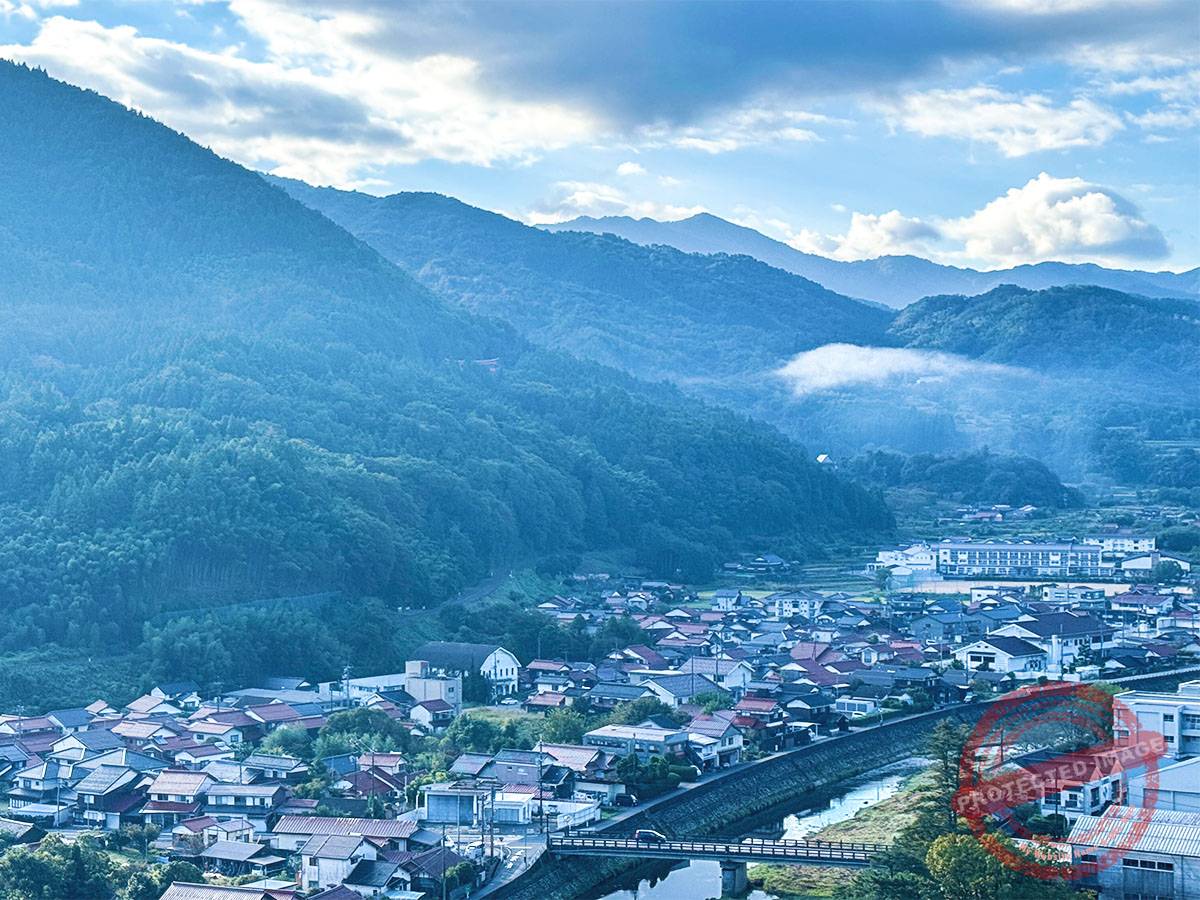
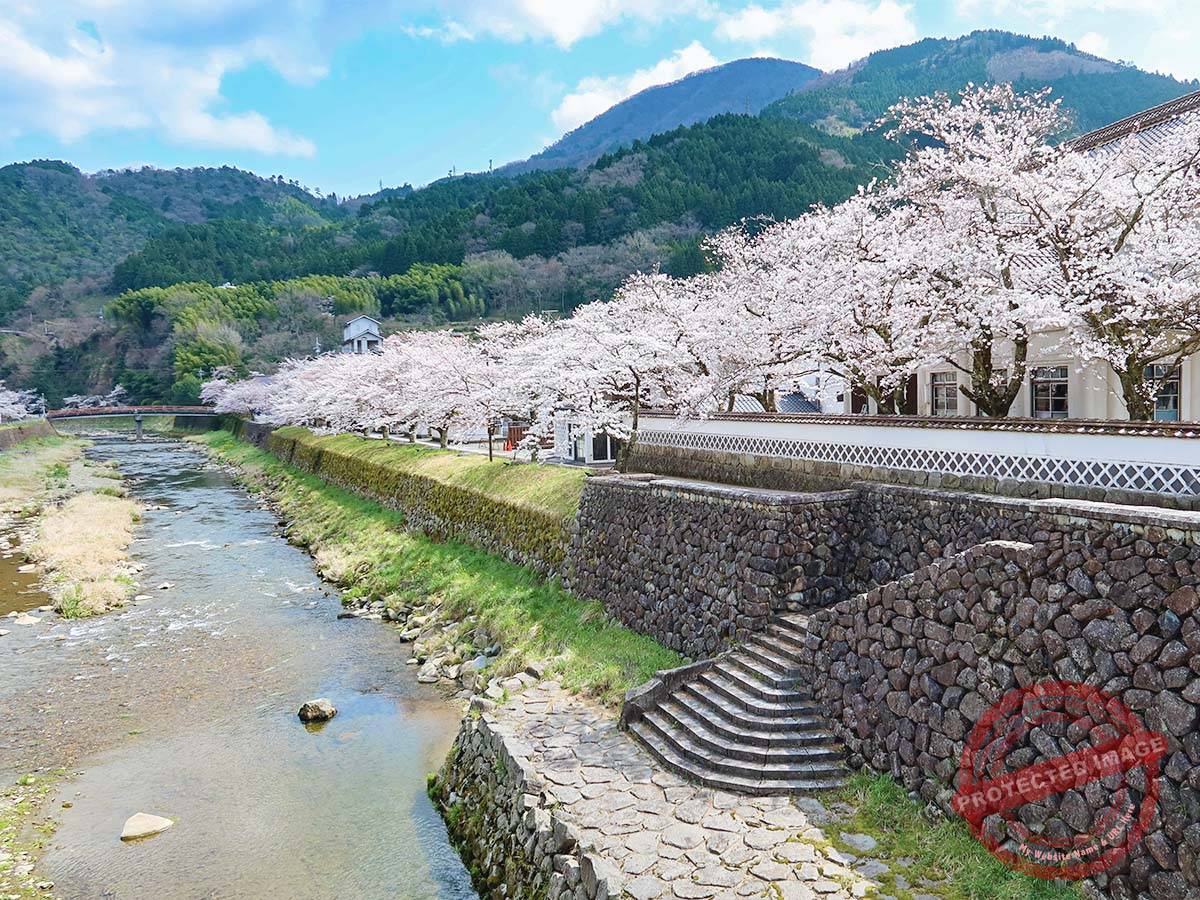
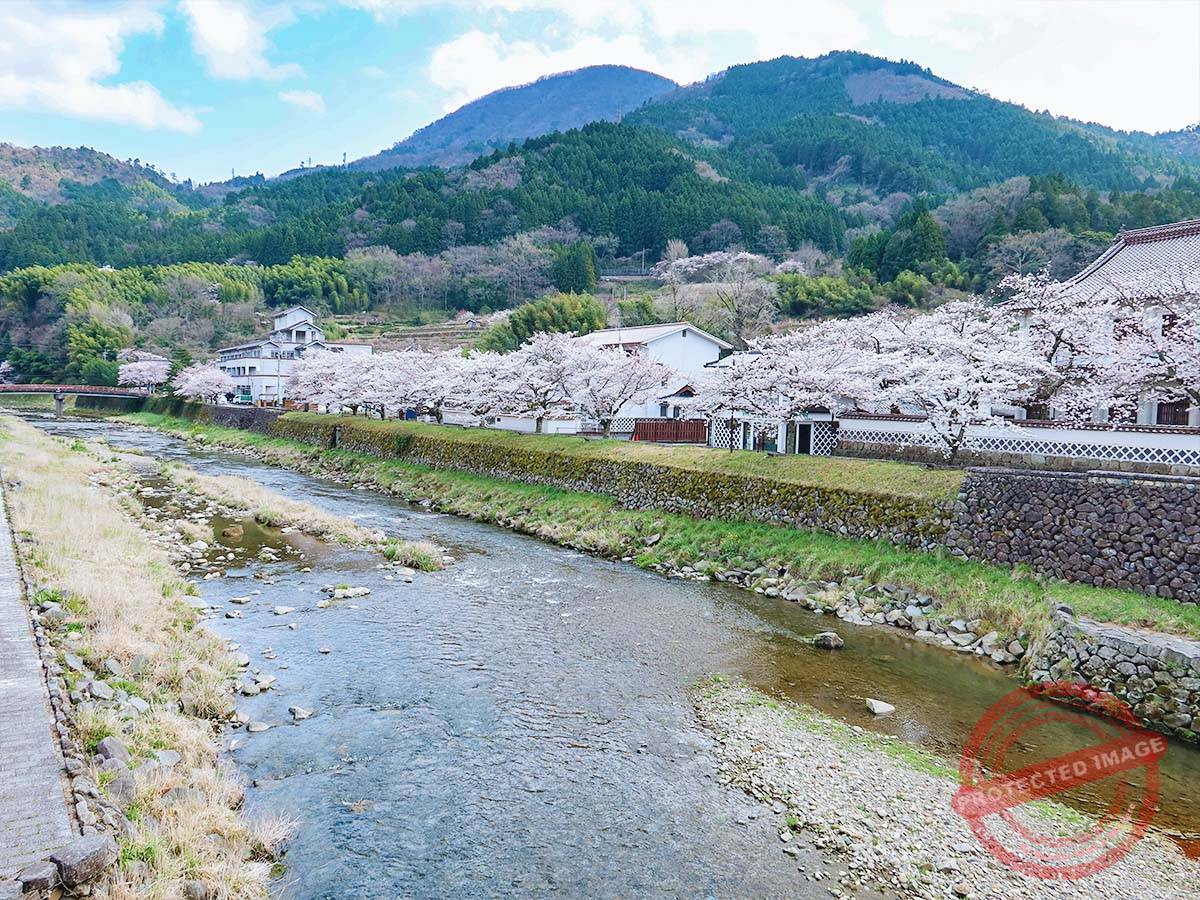
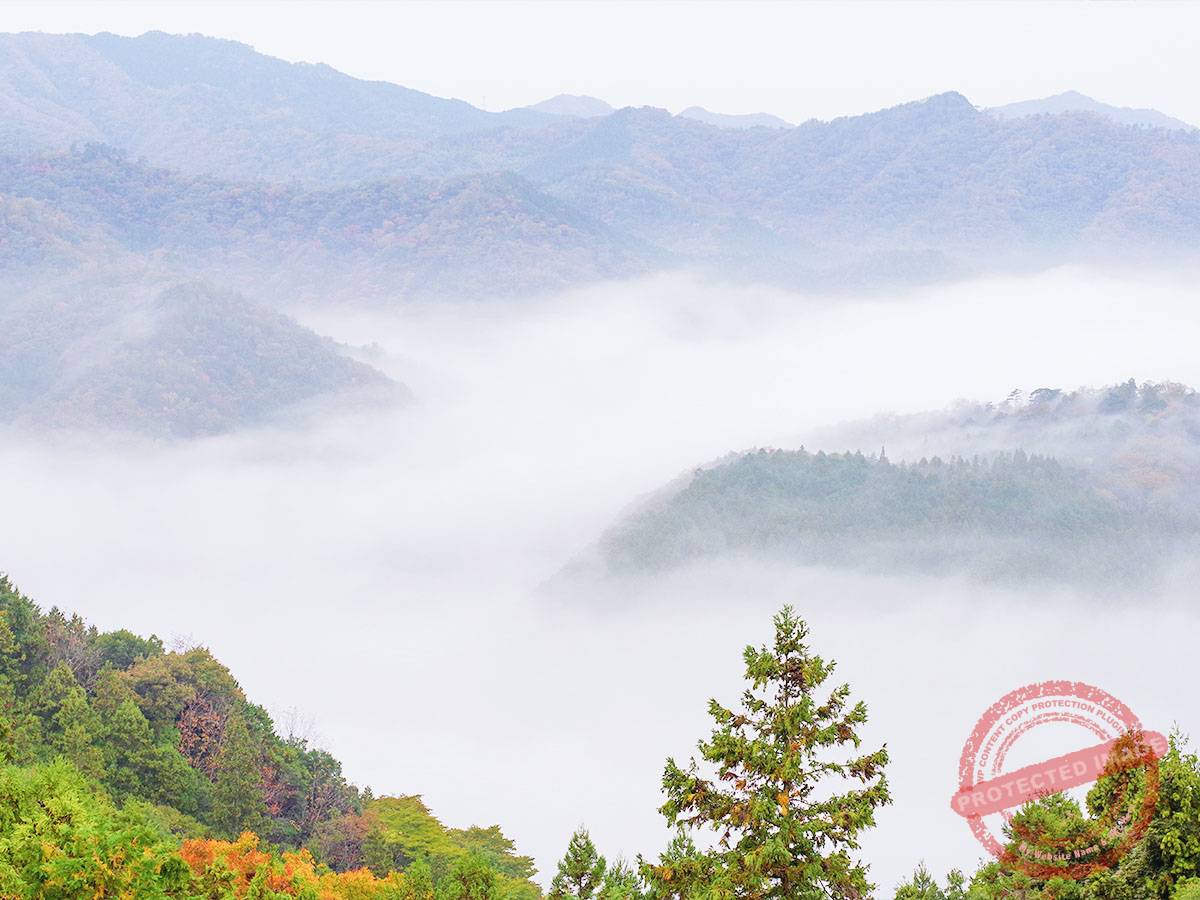
Tsuwano, often referred to as the “Little Kyoto” of the San’in region, is a former castle town that reached its cultural peak during the Edo period under the rule of the Kamei clan. The town is architecturally defined by the Tonomachi district, where traditional samurai residences with distinctive white-plaster walls (“namako-kabe”) line the streets. A hallmark of the town’s sophisticated infrastructure is the network of clear-water canals running alongside the thoroughfares. These channels are famously inhabited by thousands of vibrant koi carp, a practical tradition originally intended to maintain water quality that has evolved into a symbol of the town’s serene character.
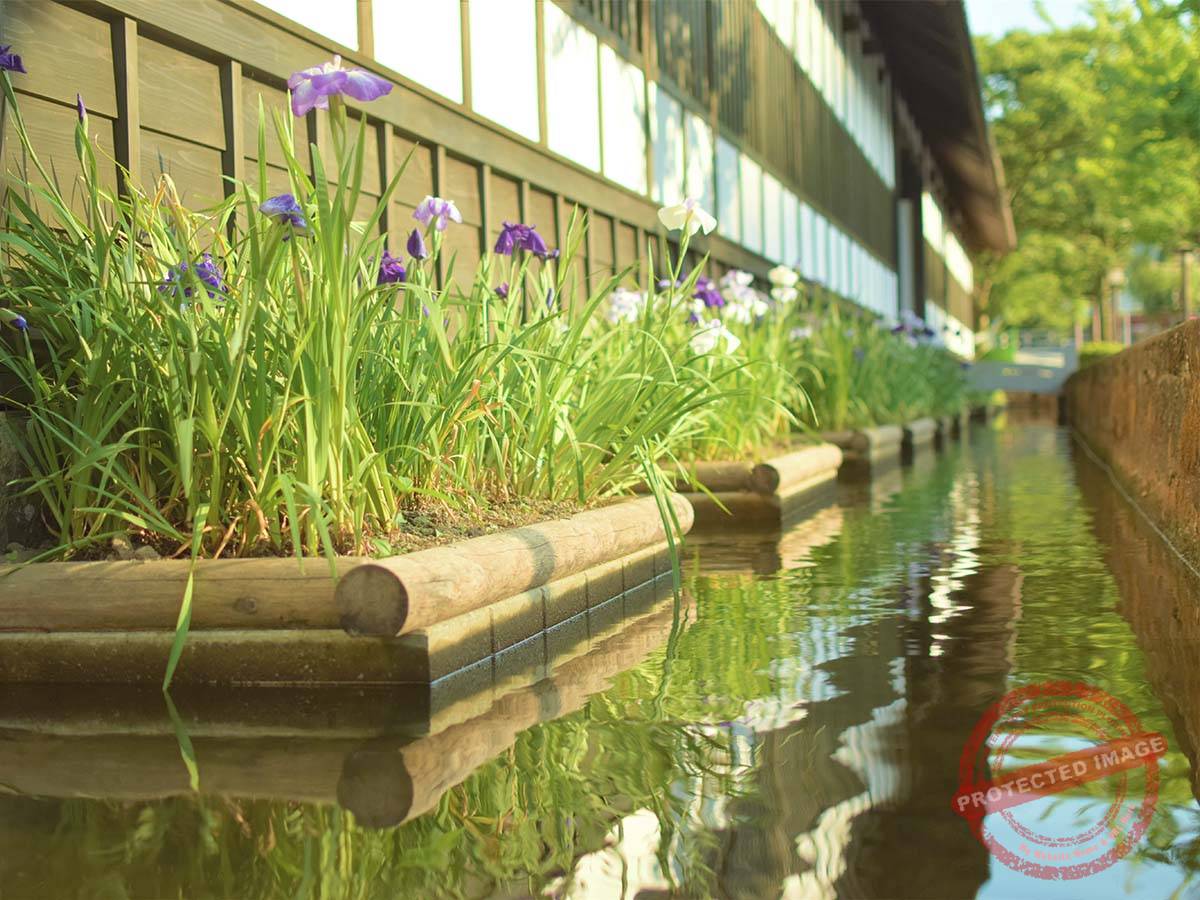
The significance of Tsuwano lies in its remarkable preservation and its role as a cradle for Japanese intellectuals and artists. The townscape harmoniously integrates Shinto, Buddhist, and Catholic heritage, including the Gothic-style Tsuwano Catholic Church located in the heart of the traditional district. This blend of influences creates a sense of place that is both intellectually rich and visually poetic. The most beautiful times to visit are during the autumn months, when the surrounding mountains turn crimson, or in early summer, when irises bloom along the canal banks.
The atmosphere of the town is one of understated grace and historical continuity. It remains a destination for travelers seeking an authentic encounter with Japan’s rural nobility and artisanal heritage, away from the momentum of modern urban centers. |