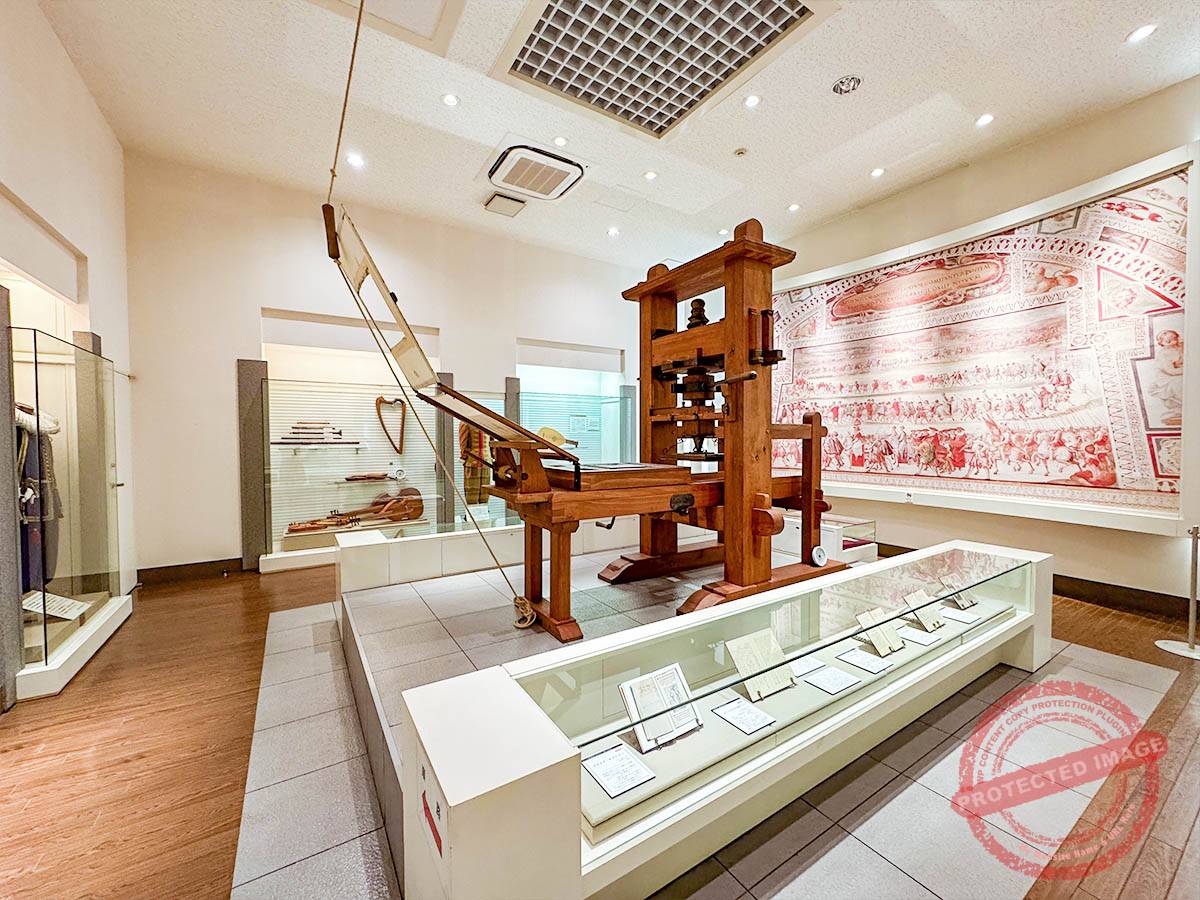
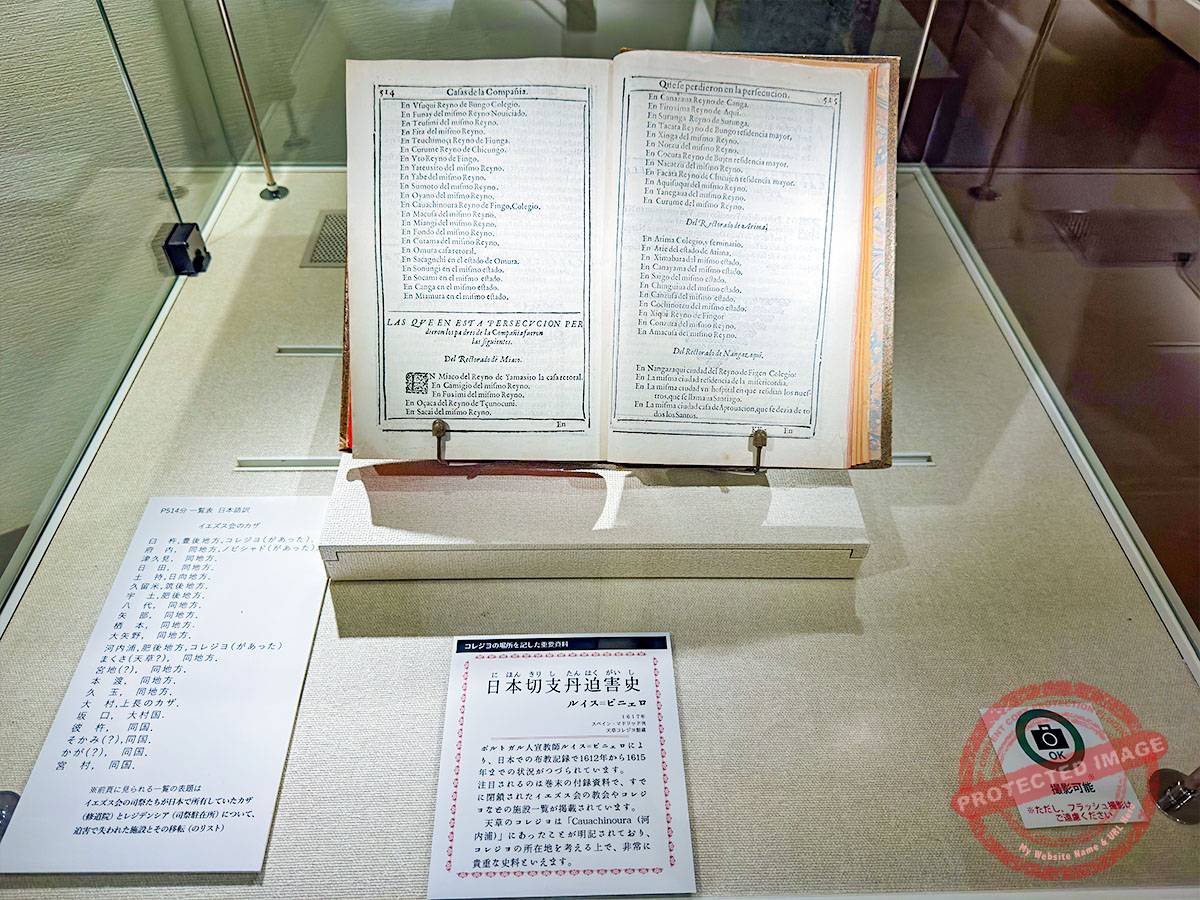
Established in 1591, the Amakusa Collegio served as a sophisticated Jesuit college and a vital center for Renaissance humanism in East Asia. Following the return of the Tensho Embassy from Europe, the institution became the site of a remarkable technological milestone: the introduction of the Gutenberg printing press. This facility facilitated the production of the “Amakusa Editions”, a collection of rare texts that utilized movable type to bridge the linguistic and philosophical divide between European thought and Japanese tradition.
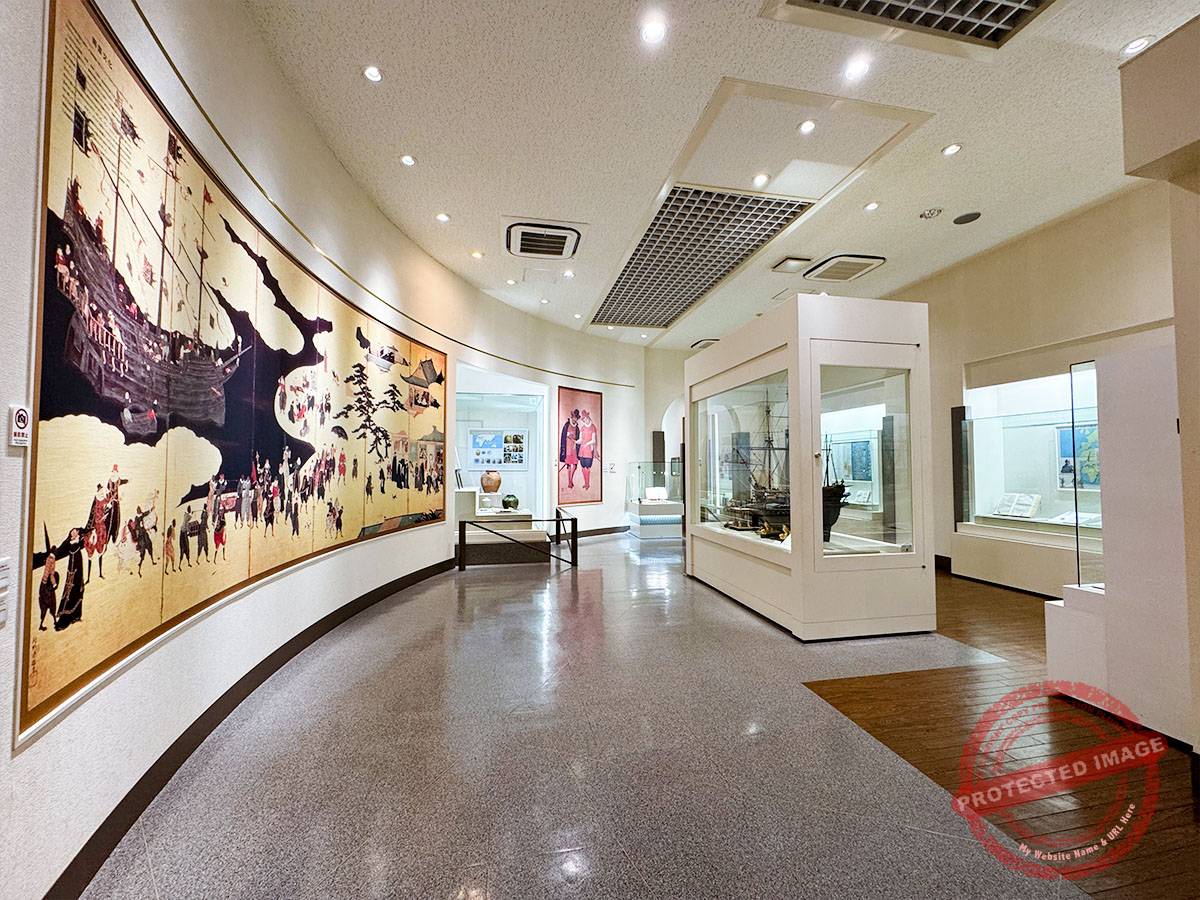
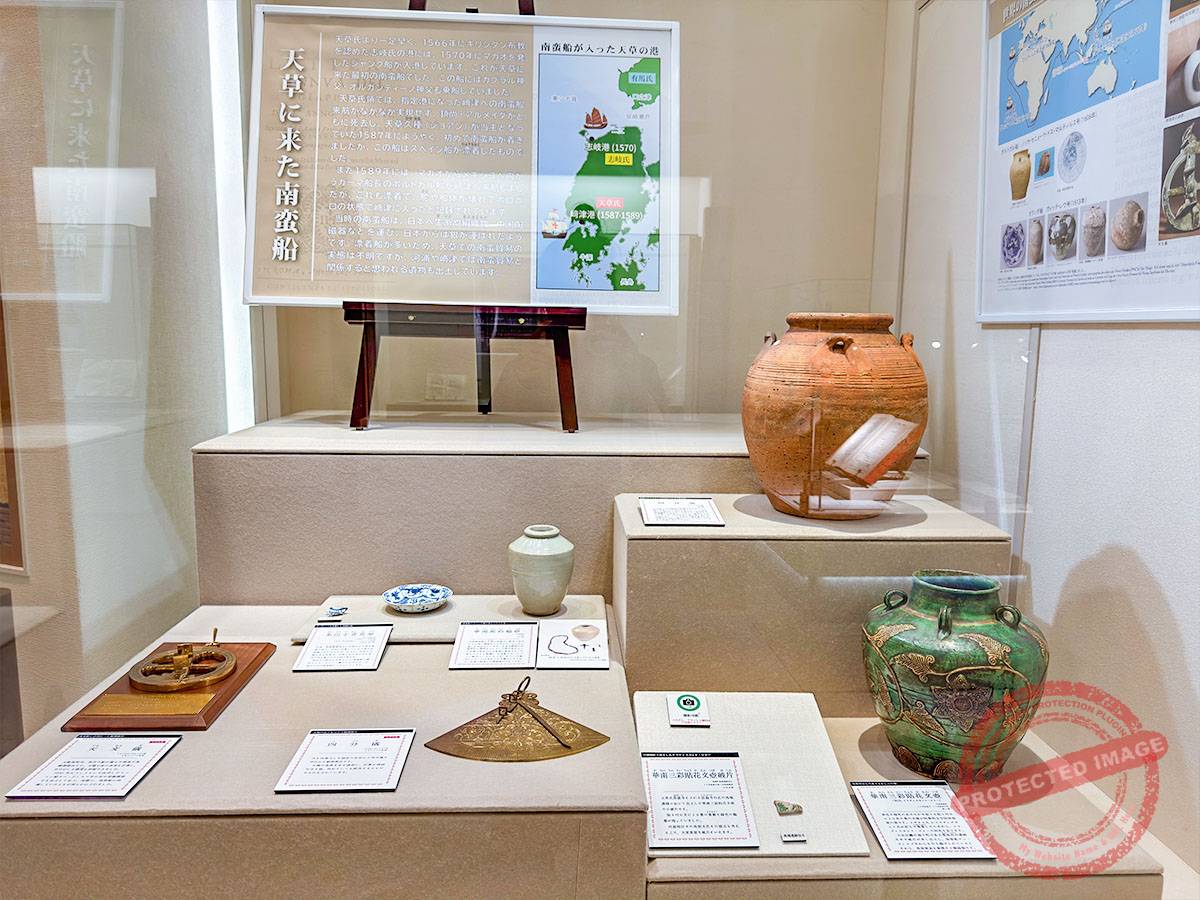
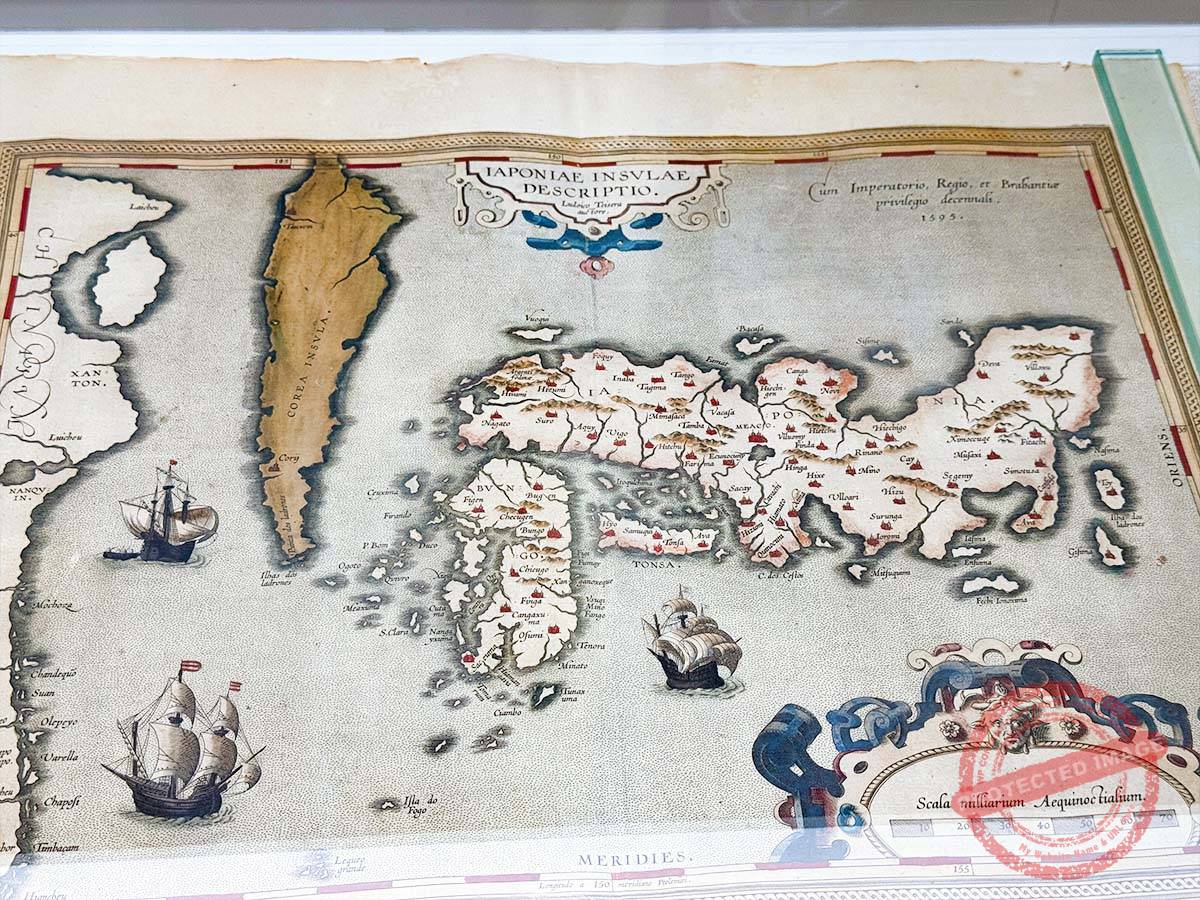
The museum today preserves this dignified history, displaying meticulously crafted replicas of the period’s printing machinery and scholarly artifacts. The construction of the Collegio represented a unique era of intellectual openness, where Western music, astronomy, and Latin were taught alongside local disciplines. Its significance lies in this seamless fusion of craftsmanship and education, marking a period of unparalleled cross-cultural synergy.
Visiting the site offers a sense of historical continuity, grounding the visitor in the authentic heritage of the Amakusa region. The atmosphere is one of quiet reverence for a lost era of scholarship, highlighting the enduring value of global dialogue and the sophisticated roots of Japan’s early modern history. |