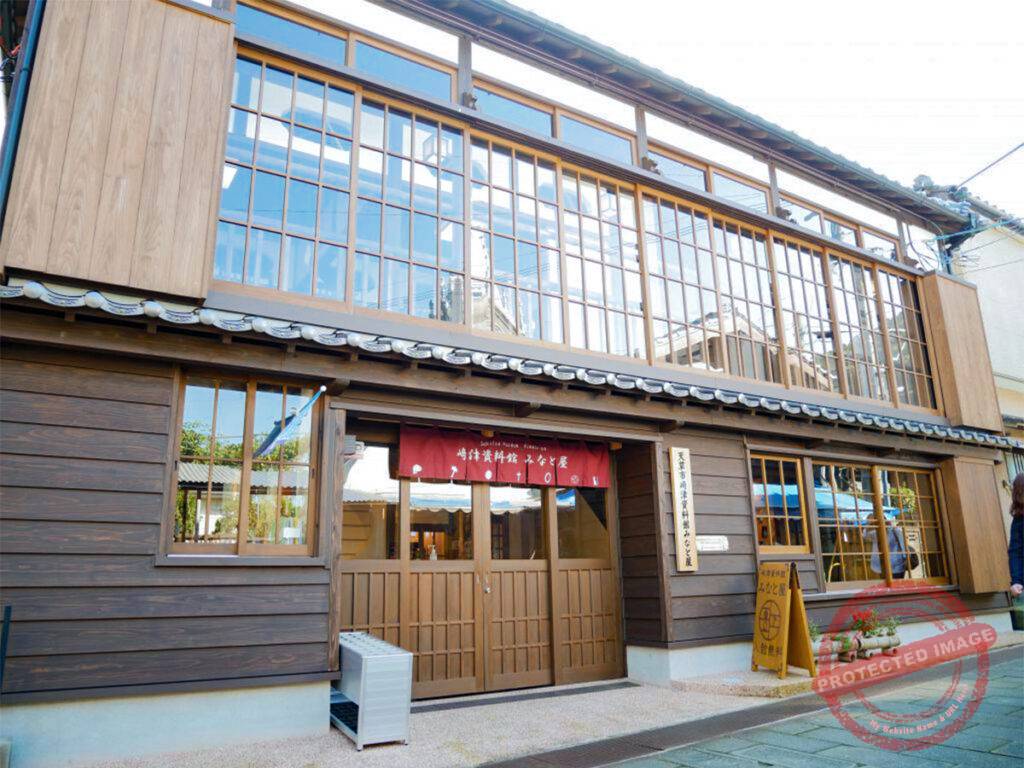
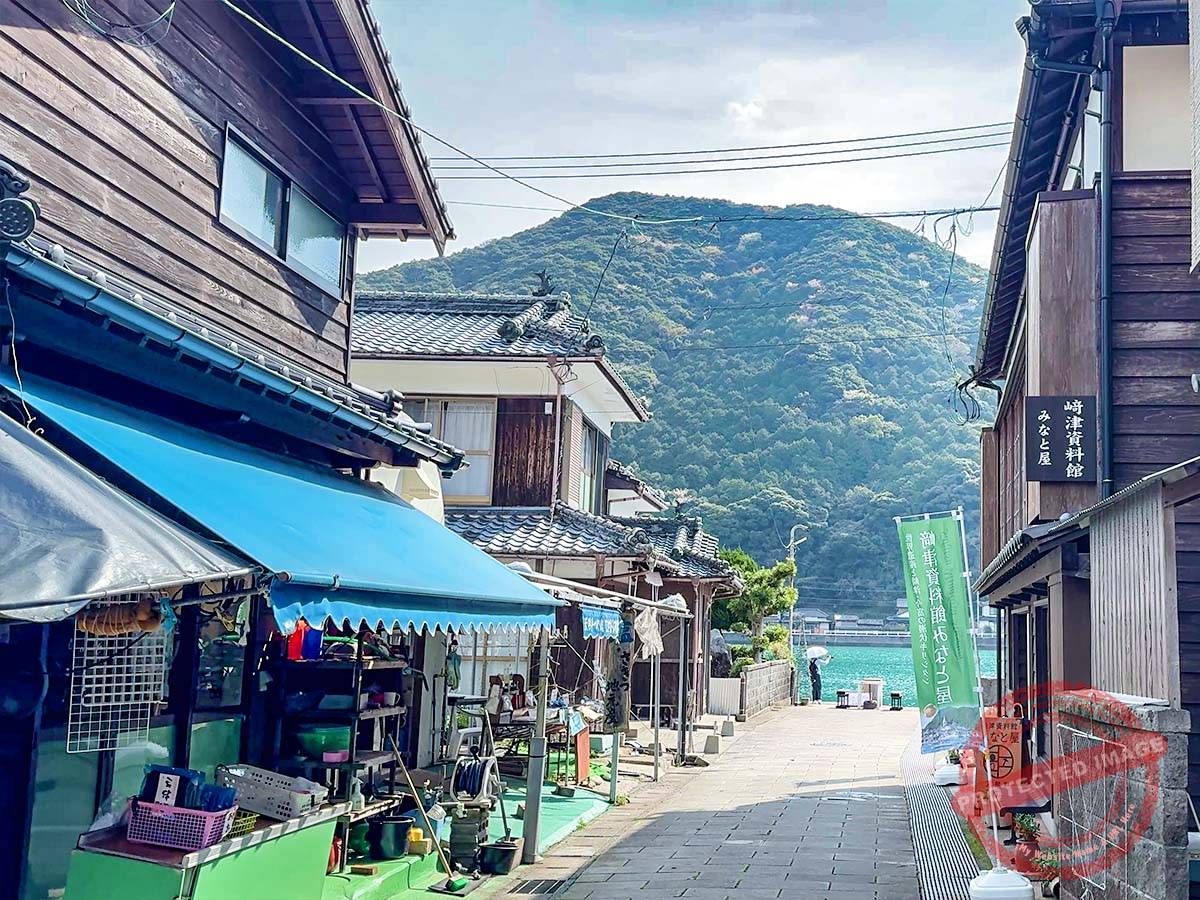
The Sakitsu Museum, housed in a meticulously restored building from the early Showa period, serves as a vital cultural repository for the village of Sakitsu, which is part of a UNESCO World Heritage site. Originally a traditional Japanese inn, the structure itself reflects the architectural character of the region, utilizing local timber and craftsmanship that harmonize with the village’s narrow, historic streets known as “kake”. The museum documents the transition of the community from the era of religious prohibition through to its modern maritime identity.
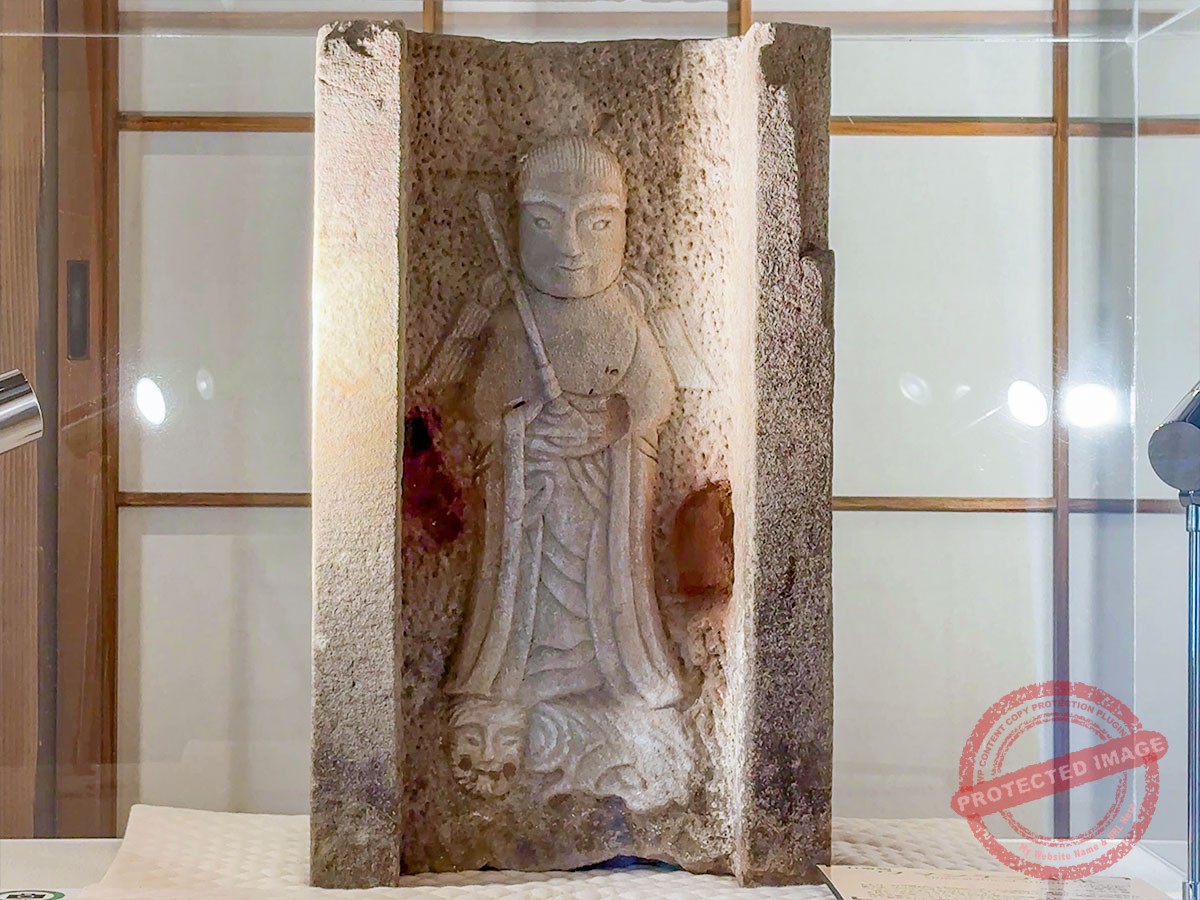
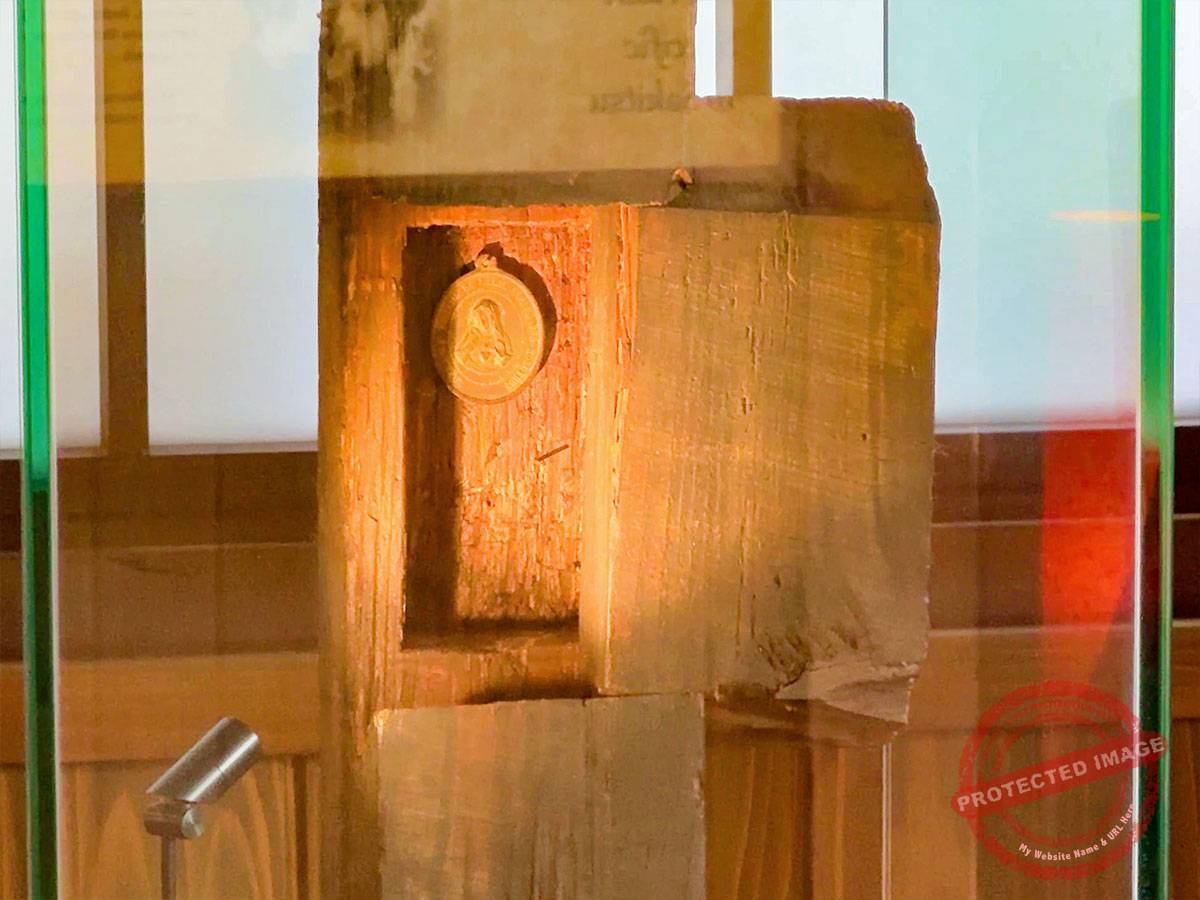
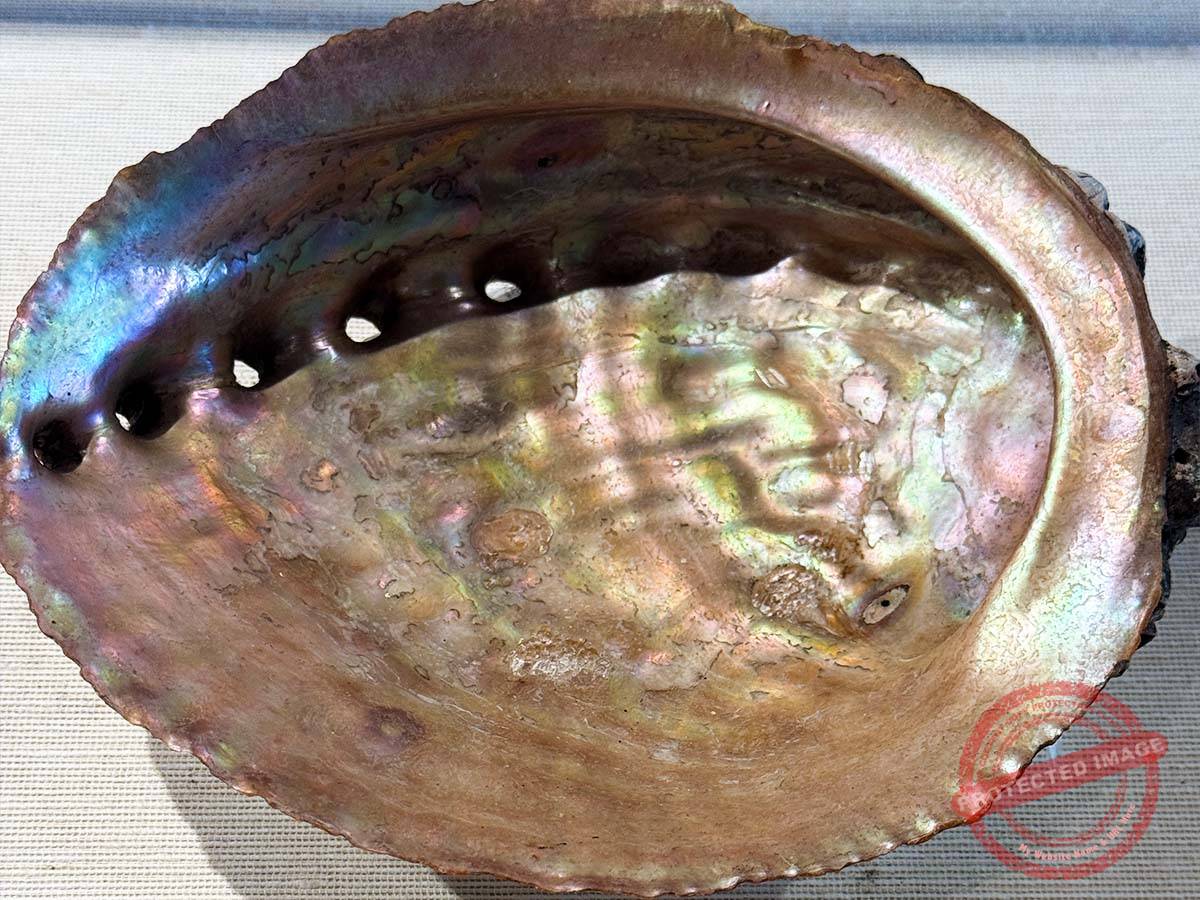
Within its walls, the collection features a curated selection of historical artifacts and photographs that illustrate the dual life of the villagers. For centuries, the local population practiced their faith in secret while maintaining a thriving fishing industry, a cultural synthesis that defined the village’s social fabric. The exhibits detail how everyday objects were repurposed for devotional use, highlighting the ingenuity and continuity of a community that balanced their spiritual heritage with the demanding rhythms of the sea.
The significance of the site lies in its status as a lived-in history. It is not merely a collection of items, but a reflection of a resilient regional identity. By preserving the authentic atmosphere of a domestic space, the museum offers visitors a grounded and authoritative perspective on the cultural landscape of Amakusa, emphasizing a profound sense of place and historical dignity. |