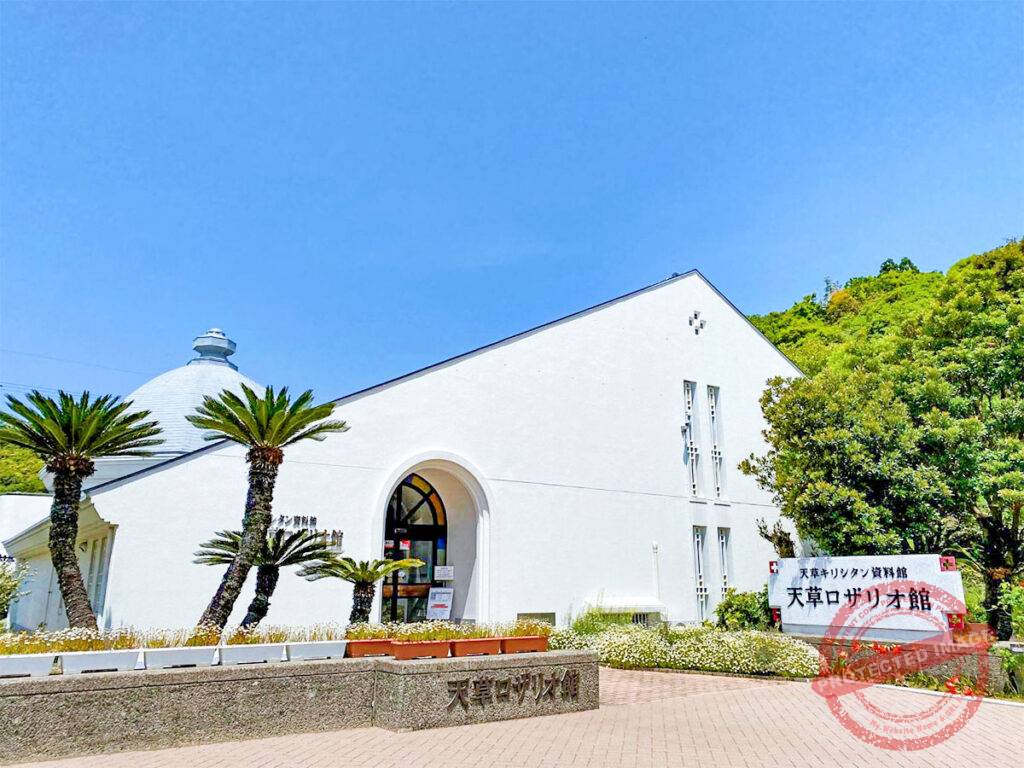
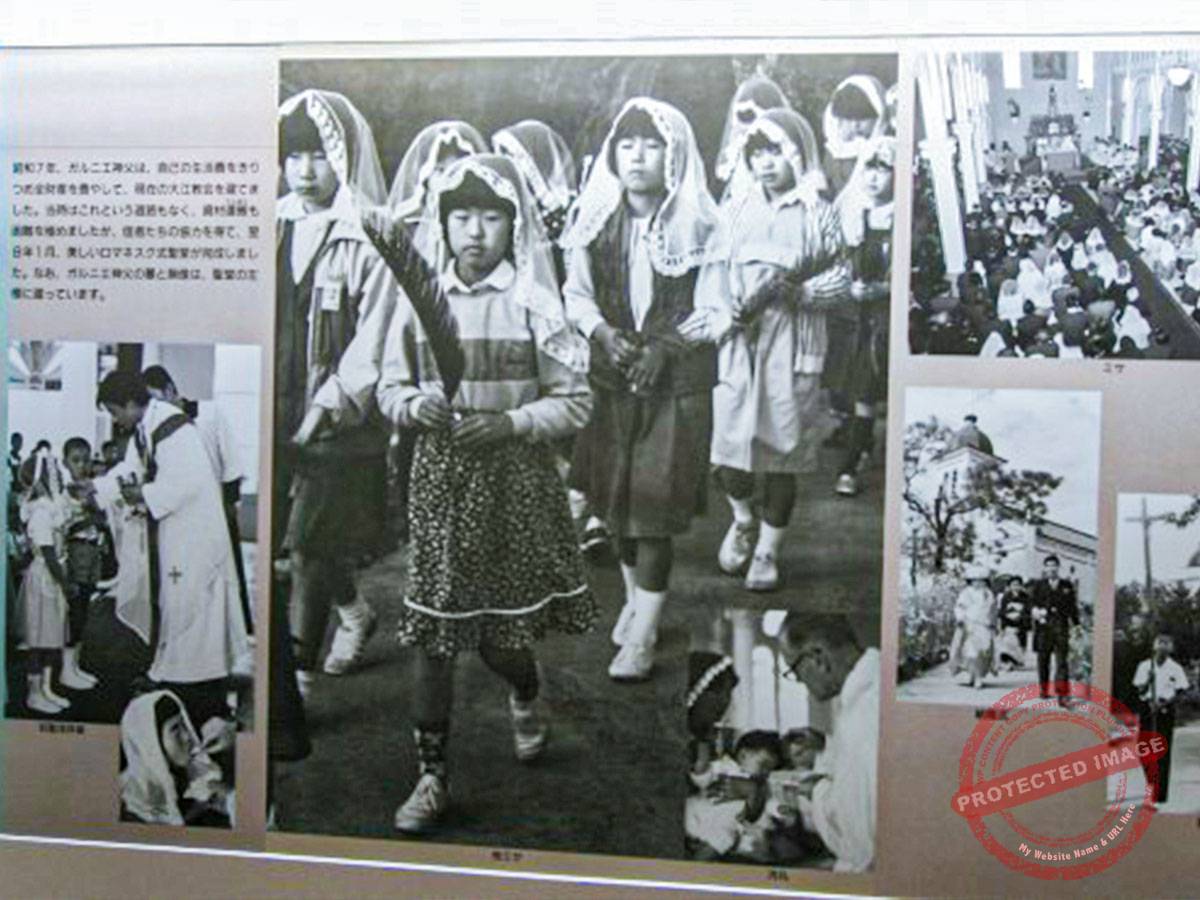
The Amakusa Rosario Museum stands as a testament to the period of religious prohibition in Japan, specifically focusing on the 17th through 19th centuries. During this era, the “Kakure Kirishitan” (hidden Christians) maintained their heritage through the use of devotional objects disguised as common household items. The museum’s collection is defined by its assembly of intricately crafted rosaries, some fashioned from local materials and others influenced by European imports, which served as silent anchors of identity for generations.
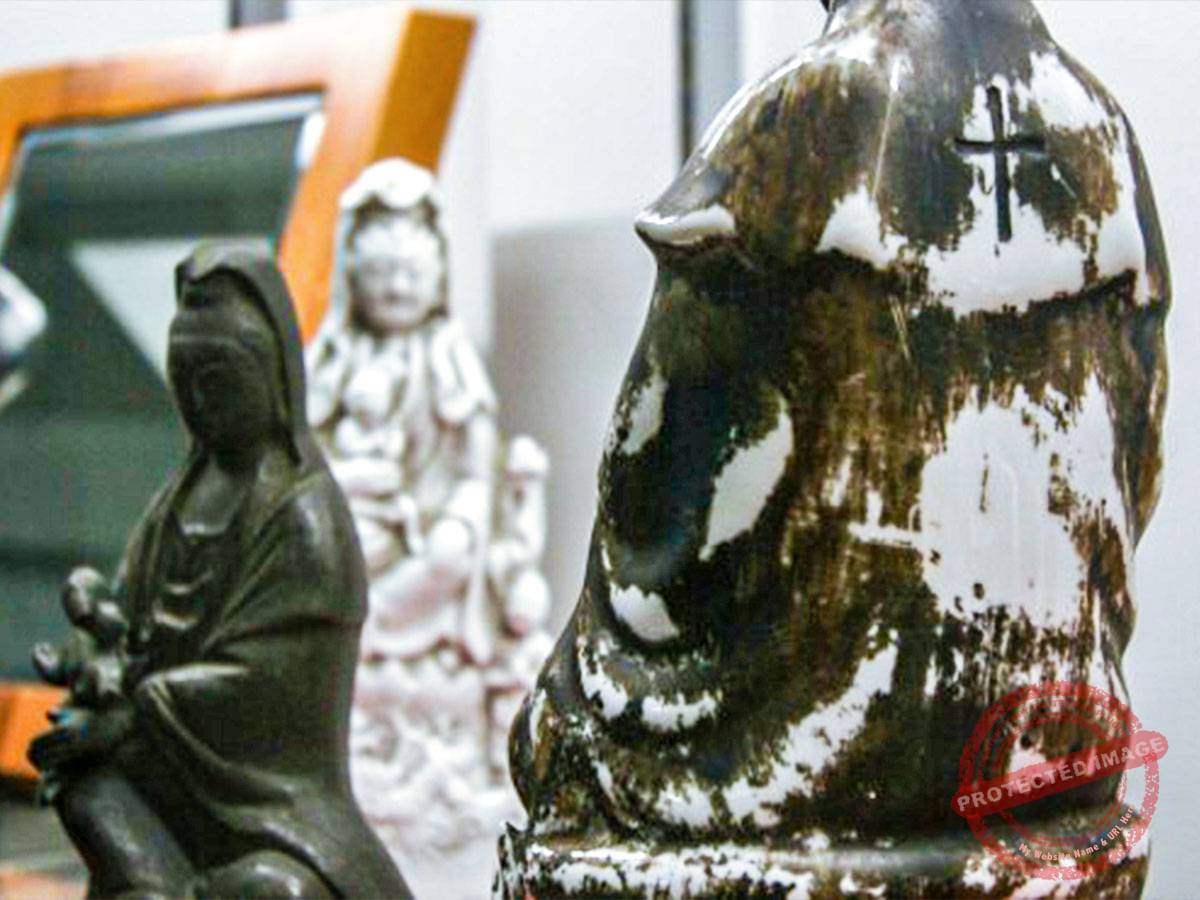
The craftsmanship on display reveals a sophisticated blend of Western iconography and Japanese aesthetic sensibilities. Many items were designed with hidden symbols, demonstrating the remarkable ingenuity required to preserve a tradition under immense pressure. The collection’s primary materials, ranging from delicate beads to weathered wood and metal, evoke a sense of tangible continuity and historical dignity.
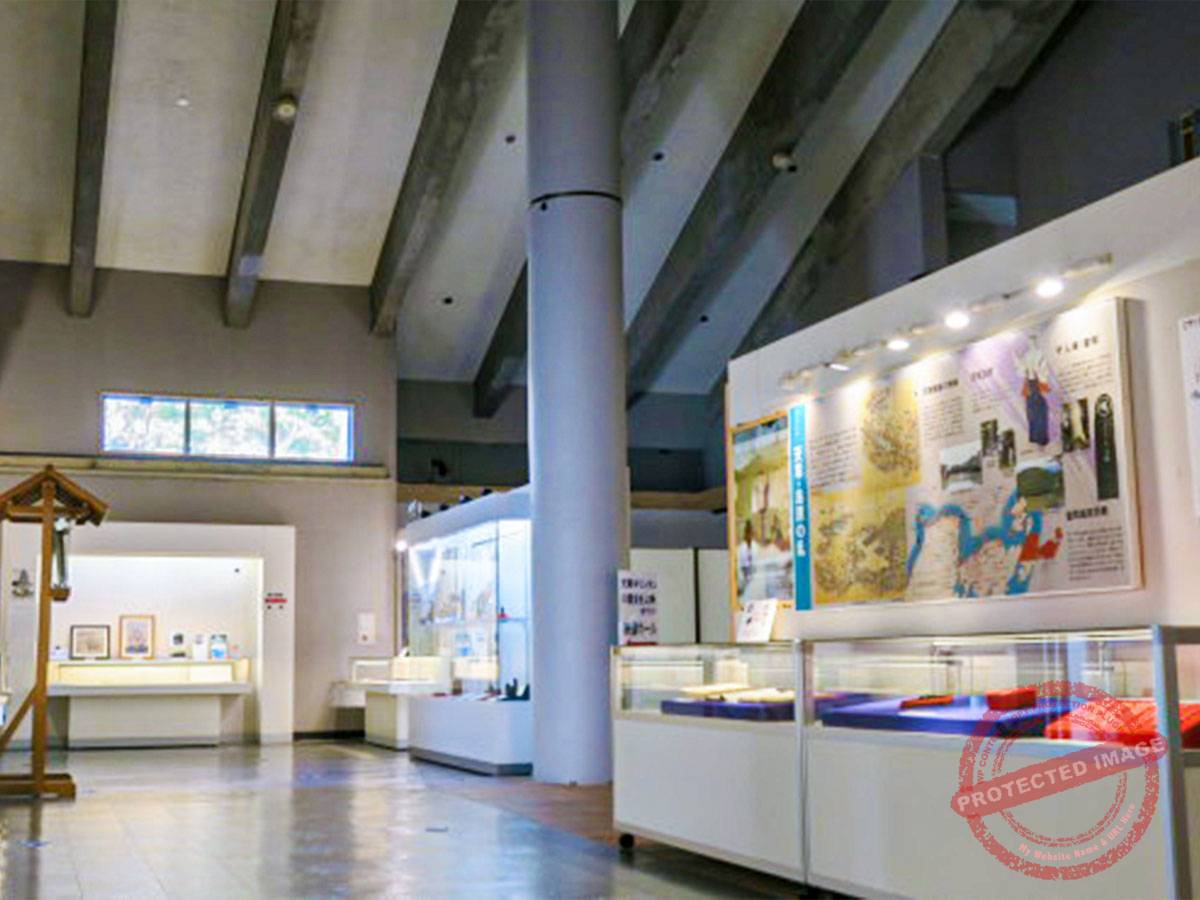
By emphasizing these authentic artifacts rather than mere replicas, the museum provides a sober and authoritative look at the regional identity of Amakusa. It highlights a unique chapter in global history where European roots and local persistence converged, creating a sense of place that is both intellectually stimulating and deeply evocative. |